
Casinos That Accept POLi in Australia 2026: Real Deposits, Real Operators
 Available in AU

POLi deposits at Australian-facing casinos sit in a strange zone. Australia Post shut the domestic POLi service on 30 September 2023, yet dozens of offshore operators still list POLi in their cashiers and process deposits from Commonwealth Bank, Westpac, NAB, and ANZ accounts without issue. That contradiction shapes everything about the ranking.
This is not a list scraped from old affiliate pages. Every operator below has been cross-checked against player reports, licence records, and review sources from mid-2026. The rankings reflect withdrawal speed, game-library depth, bonus workload, and deposit reliability — not who pays the highest commission. POLi is deposit-only (withdrawals route through bank transfer, e-wallet, or crypto), all operators are offshore-licensed (Curaçao dominates), and none hold Australian state or territory approval. Those three facts eliminate most of the marketing noise.
The operators ranked first process e-wallet withdrawals in twelve hours. The ones at the bottom stretch bank transfers to five days. That gap matters more than any welcome bonus.
What POLi Is and Why It Still Works for Australian Casino Deposits in 2026
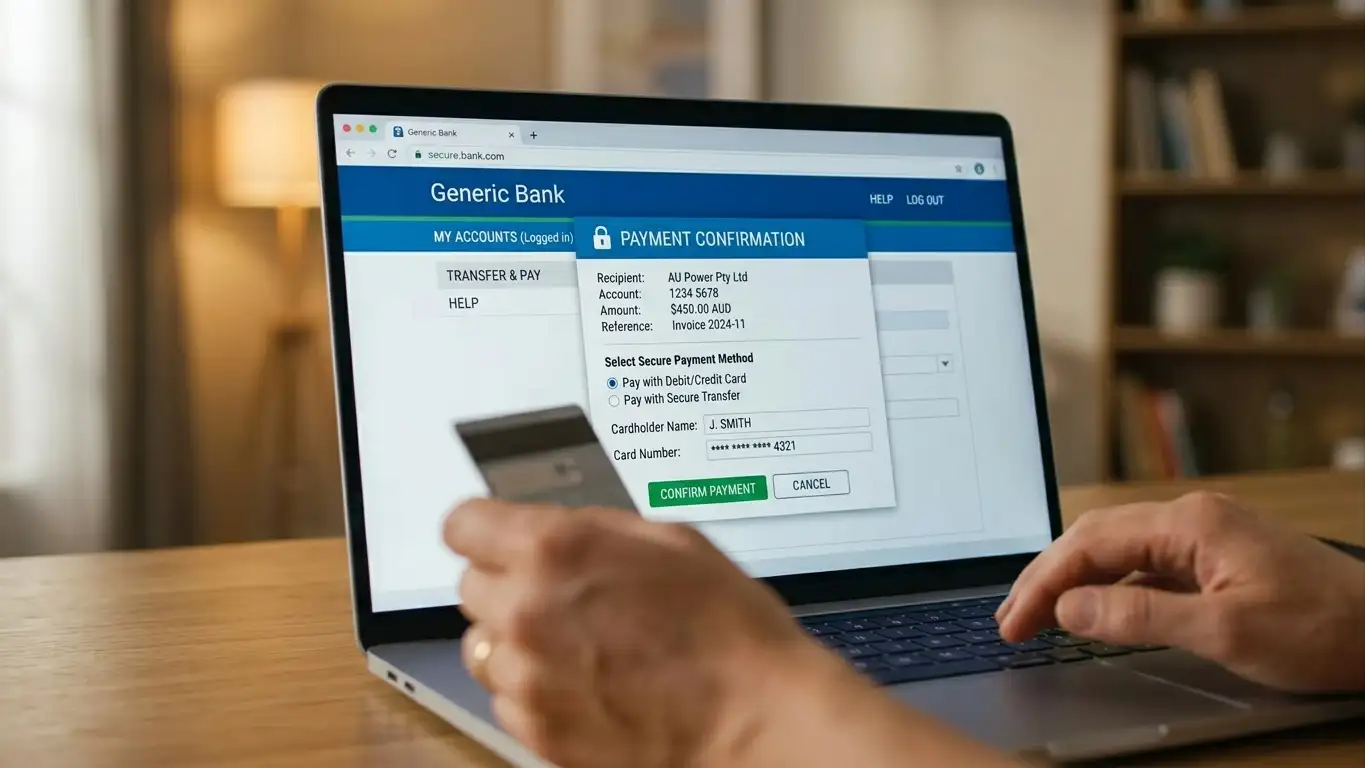
POLi was Australia Post’s answer to credit card gambling blocks. Instead of entering card details, you log into your online banking through POLi’s secure gateway, approve the transfer, and the casino credits your account within seconds. No POLi account required, no separate balance, no waiting for funds to clear. The appeal was instant deposits without touching a credit card.
Australia Post closed that service in September 2023. The company never explained why publicly, but the timing matched two shifts: major Australian banks tightening anti-gambling transaction rules, and newer payment rails like PayID eating into POLi’s market share. The closure affected only the Australian operation. POLi continues in New Zealand under different ownership, which creates confusion when offshore casinos list “POLi” in their cashiers without specifying which market.
Despite the closure, many offshore operators still process what they label as POLi deposits from Australian bank accounts in 2026. The mechanism appears to be residual infrastructure or payment gateways relabelling standard bank transfers as POLi for branding consistency. A CommBank customer selecting POLi at an offshore casino cashier in 2026 logs into their bank, approves the payment, and sees the casino balance update — the same flow as before September 2023. Whether this routes through genuine POLi infrastructure or a bank-transfer wrapper labelled “POLi” makes no practical difference to the deposit experience. The label persists because players recognise it.
The privacy trade-off remains unchanged. POLi shares your bank account name with the casino during the deposit. Some implementations also pass transaction history metadata. That information helps casinos verify identity without demanding separate KYC documents upfront, but it means your bank account name is visible to the operator. If that bothers you, PayID or crypto deposits offer more anonymity.
Bank compatibility varies more than it did before the closure. Commonwealth Bank and NAB process most POLi-labelled deposits without friction. Westpac flags some gambling transactions and occasionally triggers a fraud-team call — not consistently, but often enough that a $500 deposit at 9pm might result in a text message asking you to confirm the payment. ANZ sits somewhere between the two. None of the Big Four officially endorse POLi for gambling, and all reserve the right to decline transactions under their own anti-gambling policies. That unofficial status explains why some deposits sail through while others stall.
Some banks classify POLi casino deposits as cash advances even though POLi itself is a bank transfer, not a credit product. If you fund your transaction account with a linked credit facility, that reclassification can trigger cash-advance fees or higher interest. The simplest workaround is depositing from a savings or cheque account with no credit link.
Do I need a POLi account to deposit at casinos?
No. POLi requires no registration or separate account. You select it at the casino cashier, pick your bank from a dropdown, log into your existing online banking, and approve the payment. The system remembers your bank selection for future deposits but stores no login credentials.
Best Casinos That Accept POLi in Australia — Ranked by Reliability and Payout Speed
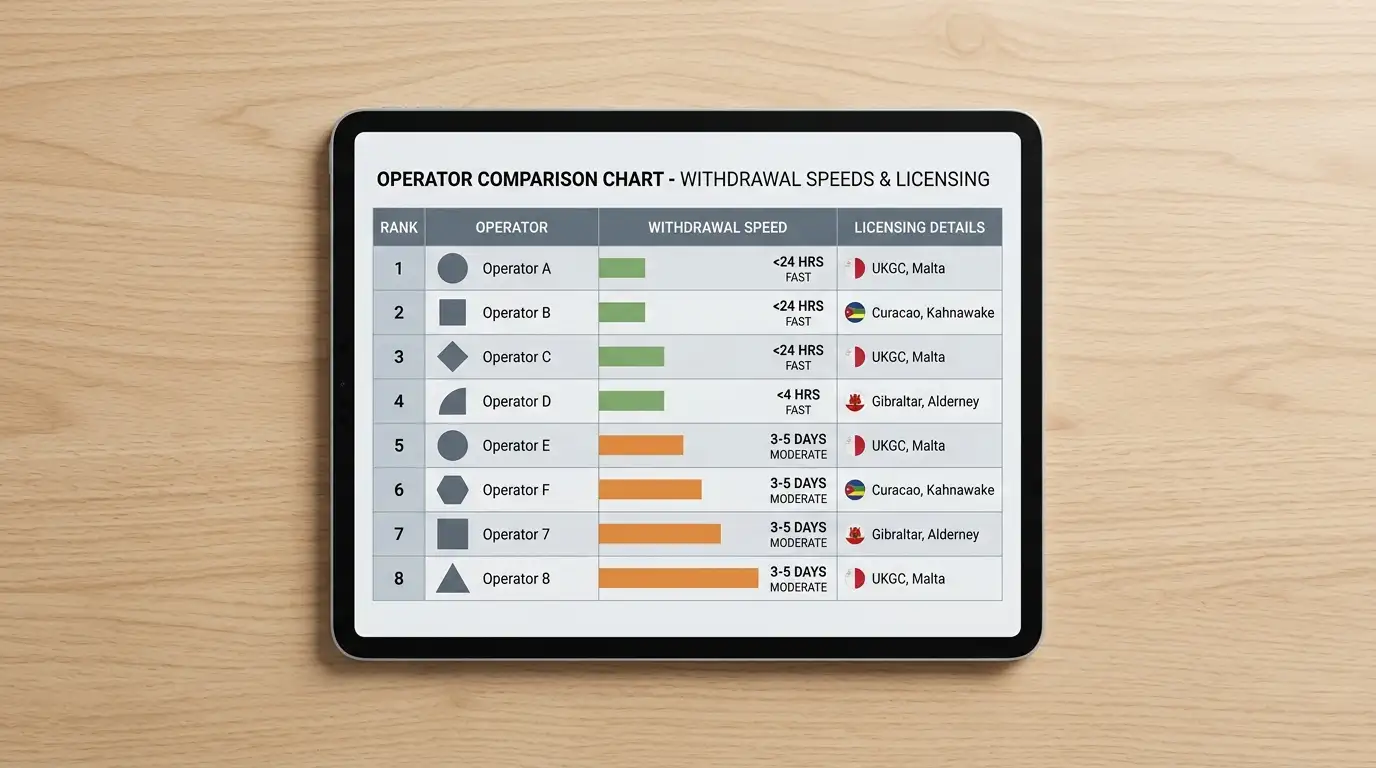
The table below ranks offshore operators by withdrawal speed, minimum deposit, and the one feature that distinguishes each from the pack. Every operator accepts POLi deposits from Australian banks, holds a Curaçao licence, and offers AUD accounts. The order reflects payout reliability and deposit consistency, not alphabetical sorting or affiliate revenue.
| Operator | License | Withdrawal Speed | Min Deposit | Distinguishing Feature |
|---|---|---|---|---|
| PlayAmo | Curaçao (Dama N.V.) | E-wallet 12h, bank 2 days | $20 AUD | Longest track record (2016), fastest e-wallet payouts |
| King Billy | Curaçao 8048/JAZ2020-013 | Bank transfer 1–3 days | $10 AUD | Four-tier loyalty programme, polished UI |
| 7Bit Casino | Curaçao OGL/2024/1307/0748 | Crypto <1h, bank 2–3 days | $20 AUD | 10,000+ games, POLi deposit → BTC withdrawal |
| Ricky Casino | Curaçao (assumed) | Bank transfer 2–3 days | $10 AUD | PayID + POLi support, $7,500 welcome package |
| Woo Casino | Curaçao | Bank transfer 2–3 days | $20 AUD | VIP programme with personal account managers |
| Wild Tornado | Curaçao | E-wallet/bank 2–4 days | $20 AUD | Standard POLi support, mid-tier reliability |
| National Casino | Curaçao | Bank transfer 1–3 days | $10 AUD | Multi-deposit welcome package |
| Skycrown | Curaçao | Bank transfer 2–4 days | $20 AUD | Reliable POLi deposits, standard cashout |
| Casinonic | Curaçao | Bank transfer 2–4 days | $20 AUD | Newer operator (mid-2020s), competitive game library |
| Bizzo | Curaçao | E-wallet/bank 2–4 days | $20 AUD | Newer entry with standard POLi banking |
Which casinos accept POLi deposits from Australian bank accounts?
The ten operators above all process POLi deposits from Australian banks in 2026. PlayAmo, King Billy, and 7Bit have the longest operational history and fastest withdrawals. Ricky Casino and Woo Casino sit in the reliable mid-tier. The bottom five are functional but slower on payouts.
PlayAmo — Fastest E-Wallet Withdrawals and a Decade of Consistency
PlayAmo launched in 2016 under Dama N.V., a Curaçao-registered company that operates multiple casino brands. The site holds a Curaçao eGaming licence, which permits offshore operation but gives Australian players no recourse through local regulators like ACMA. That is standard for every operator here. What sets PlayAmo apart is payout speed and operational consistency.
E-wallet withdrawals (Skrill, Neteller, MuchBetter) process in roughly twelve hours from approval. Bank transfers take two business days. That is faster than most competitors by a day or more. The game library sits around 5,000 titles from providers like NetEnt, Microgaming, Pragmatic Play, and Evolution Gaming. The welcome bonus typically matches 100% of your first deposit up to $500–$1,500 AUD (the exact figure changes quarterly) with wagering requirements around 40x. That translates to $20,000 turnover on a $500 deposit before you can withdraw bonus winnings. Not generous, but within industry norms.
POLi deposits are instant. You select POLi, log into your bank, approve the payment, and the casino balance updates within seconds. Minimum deposit is $20 AUD. PlayAmo has processed Australian player deposits for eight years without major unresolved complaint clusters. That track record counts more than any bonus promotion.
King Billy — Polished UI and a Loyalty Program That Actually Pays
King Billy arrived in 2017 with a royal theme and a focus on polish over gimmicks. The operator holds Curaçao licence 8048/JAZ2020-013 and runs a game library of 2,500+ titles. The welcome package spreads across multiple deposits — typically three to five — so unlocking the full bonus value requires depositing several times rather than claiming everything upfront. Total bonus value is higher than PlayAmo, but the unlock structure means more commitment.
Bank transfer withdrawals take one to three business days. That is standard for the category, not a standout. What distinguishes King Billy is the four-tier loyalty programme. Most casino VIP schemes are marketing theatre: you accumulate points slowly, redeem them for trivial cashback, and never reach the tiers that matter. King Billy’s programme pays out at lower thresholds and offers personal account managers at tier three rather than reserving them for high rollers only. If you plan to deposit regularly rather than test once, the loyalty structure has more value than a large one-off bonus.
POLi deposits work the same as PlayAmo: instant, no fees, minimum $10 AUD. Customer support response times are better than average. That matters when a withdrawal stalls or a bonus locks incorrectly.
7Bit Casino — Crypto-First with the Largest Game Library
7Bit launched in 2014 as a crypto-first casino that also accepts fiat. The site holds Curaçao licence OGL/2024/1307/0748 and carries the largest game library here: over 10,000 titles from more than 100 providers. If you want depth — obscure studios, niche mechanics, every Megaways variant — 7Bit has it.
The key feature here is withdrawal flexibility. You can deposit with POLi and withdraw in Bitcoin, Ethereum, or USDT. Crypto withdrawals process in under an hour after approval. Bank transfers take two to three business days. If payout speed matters and you are comfortable holding crypto temporarily, the POLi-in-BTC-out flow is the fastest route from AUD to winnings.
Wagering requirements on bonuses are slightly stricter than PlayAmo — closer to 45x than 40x. The welcome bonus typically matches 100% with free spins, but the fine print is denser. Read it before claiming. The game library compensates: if you chase a specific slot or provider, 7Bit likely has it.
POLi deposits are instant, minimum $20 AUD. The interface leans technical rather than polished, which suits players who prioritise function over design.
Ricky Casino — Strong AU Focus with PayID and POLi Support
Ricky Casino targets the Australian market more explicitly than most offshore operators. The site launched in the mid-2020s and supports both POLi and PayID deposits, which signals attention to Australian banking preferences. The game library sits around 4,000+ pokies and live dealer tables from major providers.
The welcome package totals up to $7,500 AUD spread across multiple deposits. That is the highest nominal value here, but the wagering requirements and unlock structure mean you need to deposit several times and turn over substantial volume before accessing the full amount. The “gift” comes with a price tag, as always.
Bank transfer withdrawals take two to three business days. Crypto withdrawals are available and faster. PayID deposit integration is smooth, which makes Ricky a practical choice if you want the option to switch payment methods without opening a separate account. POLi deposits are instant, minimum $10 AUD.
The operator holds an offshore licence (Curaçao assumed based on market pattern, though not explicitly stated in all sources). Support is available 24/7 via live chat. Ricky sits comfortably in the reliable mid-tier: not the fastest on payouts, not the slowest, and functionally solid for Australian players.
Woo Casino — VIP Programme with Personal Account Managers
Woo Casino operates under a Curaçao licence and carries a game library of 6,000+ titles from multiple providers. The welcome bonus typically offers 100% up to $1,000 AUD plus 100 free spins, with standard wagering requirements around 40x. That is mid-pack for the ranking.
What sets Woo apart is the VIP programme structure. Personal account managers are available earlier in the tier progression than at most competitors. If you deposit regularly and prefer having a direct contact for withdrawal issues or bonus queries rather than cycling through general support, Woo delivers that at a lower spend threshold than operators like PlayAmo or King Billy.
POLi deposits are instant, minimum $20 AUD. Bank transfer withdrawals take two to three business days. The site interface is functional but not polished. Game selection is strong across pokies, live dealer, and table games. Woo is a practical choice for players who value direct support access over payout speed.
Wild Tornado — Standard POLi Support and E-Wallet Cashouts
Wild Tornado holds a Curaçao eGaming licence and offers a welcome bonus structured as a match plus free spins. The exact amount varies by promotion cycle. Game library size is not prominently disclosed in review sources, but sources suggest it sits in the 2,000–5,000 range based on provider partnerships.
POLi deposits are instant, minimum $20 AUD. Withdrawals route through e-wallet or bank transfer and take two to four business days. That is slower than PlayAmo or King Billy by a day or more. Wild Tornado has no standout feature beyond POLi support. It is a mid-tier operator: functional, licensed, slower on payouts than the top three, but not unreliable.
If the operators above are unavailable or you are testing multiple sites, Wild Tornado is a fallback option. Do not expect faster service or unique features.
National Casino — Multi-Deposit Welcome Package and Bank Transfers
National Casino operates under a Curaçao licence and structures its welcome bonus across multiple deposits. You claim a match on your first deposit, a second match on the next, and so on. Total bonus value is competitive, but unlocking it requires several transactions rather than one large deposit.
POLi deposits are instant, minimum $10 AUD. Bank transfer withdrawals take one to three business days. No POLi withdrawal exists here or anywhere else — POLi is deposit-only. Game library size is not precisely documented in available sources, but competitor comparisons suggest 3,000–5,000 titles based on provider lists.
National Casino delivers standard offshore-casino service. It is licensed, accepts POLi, processes withdrawals within a reasonable timeframe, and has no major red flags. It also has no major advantages over PlayAmo, King Billy, or 7Bit. Choose it if you prefer multi-deposit bonus structures over single-claim packages.
Skycrown — Reliable POLi Deposits with Bank Transfer Cashouts
Skycrown holds a Curaçao licence and offers a welcome bonus structured as a match plus free spins. POLi deposits are instant, minimum $20 AUD. Withdrawals route through bank transfer or e-wallet and take two to four business days.
Skycrown has no distinguishing feature beyond reliable POLi deposit processing. The game library, bonus terms, and withdrawal speed all sit in the mid-tier range. It is a functional option if you are testing multiple operators or if the top-ranked sites decline your deposit for bank-specific reasons.
Casinonic — Newer Operator with Competitive Game Variety
Casinonic launched in the mid-2020s under a Curaçao licence. The site is newer than PlayAmo or King Billy but has built a competitive game library according to review sources. Welcome package structure follows the multi-deposit model: you claim bonuses across several transactions rather than one lump sum.
POLi deposits are instant, minimum $20 AUD. Bank transfer withdrawals take two to four business days. No POLi withdrawal support exists. Casinonic sits in the newer-operator category: functional, licensed, no major complaint clusters yet, but also no long track record to verify payout reliability under stress.
If you prefer trying newer sites over established ones, Casinonic is worth testing. If you prioritise operational history, stick with PlayAmo or King Billy.
Bizzo — Newer Entry with Standard POLi Banking
Bizzo operates under a Curaçao licence and launched in the mid-2020s. Welcome bonus structure is a match plus free spins, with standard wagering requirements. POLi deposits are instant, minimum $20 AUD. Withdrawals route through bank transfer or e-wallet and take two to four business days.
Bizzo has no standout feature. It is a newer operator with standard offshore-casino infrastructure. Game library, bonus terms, and withdrawal speed all sit in the mid-tier range. It functions as a fallback option if the operators ranked higher decline your deposit or if you are testing multiple sites.
How POLi Deposits Work — The Instant Bank Transfer Explained
A POLi deposit at an offshore casino takes under two minutes from cashier to credited balance. You open the casino’s deposit page, select POLi from the payment method dropdown, enter the amount you want to deposit (minimum $10–$20 AUD depending on the operator), and click confirm. A POLi gateway window opens. You select your bank from a list — Commonwealth Bank, Westpac, NAB, ANZ, and most regional banks appear. You log into your online banking through that window using your usual credentials.
POLi does not see or store your banking password. The login happens on your bank’s own interface embedded in the POLi frame. You approve the payment through your bank’s standard transfer flow. Once approved, the POLi window closes and the casino’s deposit page refreshes. Your balance updates within seconds. That is the full process.
No chargebacks exist. POLi deposits are bank transfers, not card payments. Once you approve the transfer, the money leaves your account and lands in the casino’s merchant account. You cannot dispute the transaction the way you would with a Visa chargeback. That finality is why casinos prefer POLi over credit cards — lower fraud risk — and why you should only deposit at operators with a track record of paying out.
Deposit fees are typically zero. The casino covers payment-processing costs, and most Australian banks treat POLi as a standard online transfer with no additional charge. The exception is banks that classify POLi gambling transactions as cash advances. If your transaction account is linked to a credit facility and the bank reclassifies the deposit, you may see a cash-advance fee or higher interest. That happens inconsistently and varies by bank. Depositing from a savings or cheque account with no credit link avoids the issue entirely.
Bank compatibility in 2026 is less universal than it was before the September 2023 closure. Commonwealth Bank and NAB process most POLi deposits without friction. Westpac flags some gambling transactions as potentially fraudulent and may send a text or call from the fraud team asking you to confirm the payment. That does not mean the deposit failed — it means Westpac’s anti-fraud system flagged the merchant category. You confirm the transaction is legitimate, and it processes. ANZ sits between CommBank and Westpac in terms of friction.
None of the Big Four officially endorse POLi for gambling. All reserve the right to decline transactions under their responsible-gambling or anti-money-laundering policies. That unofficial status means a deposit that worked last week might get declined this week if your bank tightens its rules. The inconsistency is a feature of the offshore-casino payment landscape, not a POLi-specific problem.
How long do POLi deposits take to process?
POLi deposits are instant. Once you approve the transfer through your online banking, the casino credits your account within seconds. There is no waiting period, no pending status, and no manual approval step. If the deposit does not appear within a minute, either the bank declined the transaction or the casino’s payment gateway has a technical issue.
What are the fees for POLi casino deposits?
POLi deposits typically have no fees. The casino covers payment-processing costs, and most Australian banks treat the transaction as a standard online transfer. Some banks classify POLi gambling deposits as cash advances even though POLi is a bank transfer. If your account is linked to a credit facility, that reclassification can trigger fees. Depositing from a savings or cheque account avoids the issue.
POLi Withdrawals Don’t Exist — Here’s How You Actually Cash Out
POLi is a deposit-only payment method. It sends money from your bank account to the casino. It does not process payments in the reverse direction. Any offshore casino advertising “POLi withdrawals” is either confused or lying. The payment infrastructure does not support it.
When you withdraw winnings from a POLi-deposit casino, the payout routes through one of three channels: bank transfer, e-wallet, or cryptocurrency. Bank transfer is the most common. You enter your BSB and account number in the casino’s withdrawal page, request the payout, and wait one to five business days for the funds to land in your account. The speed varies by operator. PlayAmo processes bank transfers in two business days. Slower operators stretch it to five. That gap is why the rankings above prioritise withdrawal speed.
E-wallet withdrawals are faster but require a separate account. If you hold a Skrill, Neteller, or MuchBetter account, you can link it to the casino and request a payout. Most operators process e-wallet withdrawals in twelve to forty-eight hours. PlayAmo is the fastest at twelve hours. Once the casino approves the withdrawal, the e-wallet provider transfers the AUD to your account, and you can move it to your bank from there. The total process is faster than a direct bank transfer, but you add a middleman.
Cryptocurrency withdrawals are the fastest option but require holding crypto temporarily. If you deposited with POLi and request a Bitcoin or USDT withdrawal, the casino converts your AUD balance to the requested cryptocurrency at the current exchange rate, sends it to your wallet, and you convert it back to AUD through an exchange if needed. 7Bit and BitStarz process crypto withdrawals in under an hour. That speed advantage matters if you need access to funds quickly, but the conversion steps add complexity.
The privacy issue works both ways. POLi shares your bank account name with the casino during deposit. When you withdraw via bank transfer, the casino sees your BSB, account number, and account name again. That is unavoidable if you want AUD landing in your Australian bank account. E-wallet and crypto withdrawals offer slightly more separation: the casino sees your e-wallet email or crypto address, not your bank details. That added layer matters if you prefer keeping your bank account information out of offshore casino records.
Can I withdraw winnings using POLi?
No. POLi only processes deposits. Withdrawals route through bank transfer (one to five business days), e-wallet (twelve to forty-eight hours), or cryptocurrency (under one hour for most operators). Every casino here supports at least two of those three withdrawal methods.

Pokies and Game Libraries at POLi Casinos
Game-library size varies more than withdrawal speed across the operators above. 7Bit carries over 10,000 titles from more than 100 providers. PlayAmo and King Billy sit around 2,500–5,000. Ricky Casino and Woo Casino land in the 4,000–6,000 range. The bottom tier operators (Wild Tornado, Skycrown, Casinonic, Bizzo) likely sit between 2,000 and 5,000 based on provider partnerships, though exact figures are not consistently disclosed.
Pokies dominate every library. Australian players call them pokies; the rest of the world calls them slots. The terminology differs, but the mechanics are identical: spinning reels, paylines, bonus rounds, and RTP percentages that determine long-term payout rates. The operators above carry titles from NetEnt, Microgaming, Pragmatic Play, Big Time Gaming, Play’n GO, Yggdrasil, Nolimit City, Push Gaming, Hacksaw Gaming, and ELK Studios. Big Time Gaming’s Megaways mechanic is ubiquitous. Lightning Box, an Australian-based studio, appears in most libraries.
Live dealer games come from Evolution Gaming and Pragmatic Live at every operator here. That means blackjack, roulette, baccarat, and game-show variants like Crazy Time and Monopoly Live. Evolution dominates the live-dealer category globally, and offshore casinos targeting Australian players use the same Evolution tables as operators in other markets.
Table games (non-live variants of blackjack, roulette, baccarat, poker) exist at every casino but receive less attention than pokies or live dealer. RTP on table games is typically higher than pokies — European roulette sits at 97.3%, blackjack with optimal strategy pushes 99.5% — but the house edge still tilts against the player over time. If you chase specific table-game variants (double-exposure blackjack, multi-hand poker), check the operator’s game filter before depositing. Not every offshore casino carries every variant.
Specialty games (crash games, instant-win scratch cards, bingo variants) appear inconsistently. 7Bit and PlayAmo carry the widest specialty selection. Smaller operators skip them entirely.
Game variety matters more than total count. A library with 10,000 titles but weak provider diversity offers less practical choice than one with 3,000 titles spanning twenty studios. 7Bit wins on breadth. PlayAmo and King Billy win on curation. The operators ranked lower have smaller libraries and less provider diversity.
Bonuses, Wagering Requirements and the Real Cost of “Free” Money
Every offshore casino here advertises a welcome bonus. The most common structure is a 100% deposit match plus free spins. You deposit $500, the casino adds $500 bonus credit, and you receive 50–200 free spins on a selected pokie. That sounds like $1,000 to play with. The fine print tells a different story.
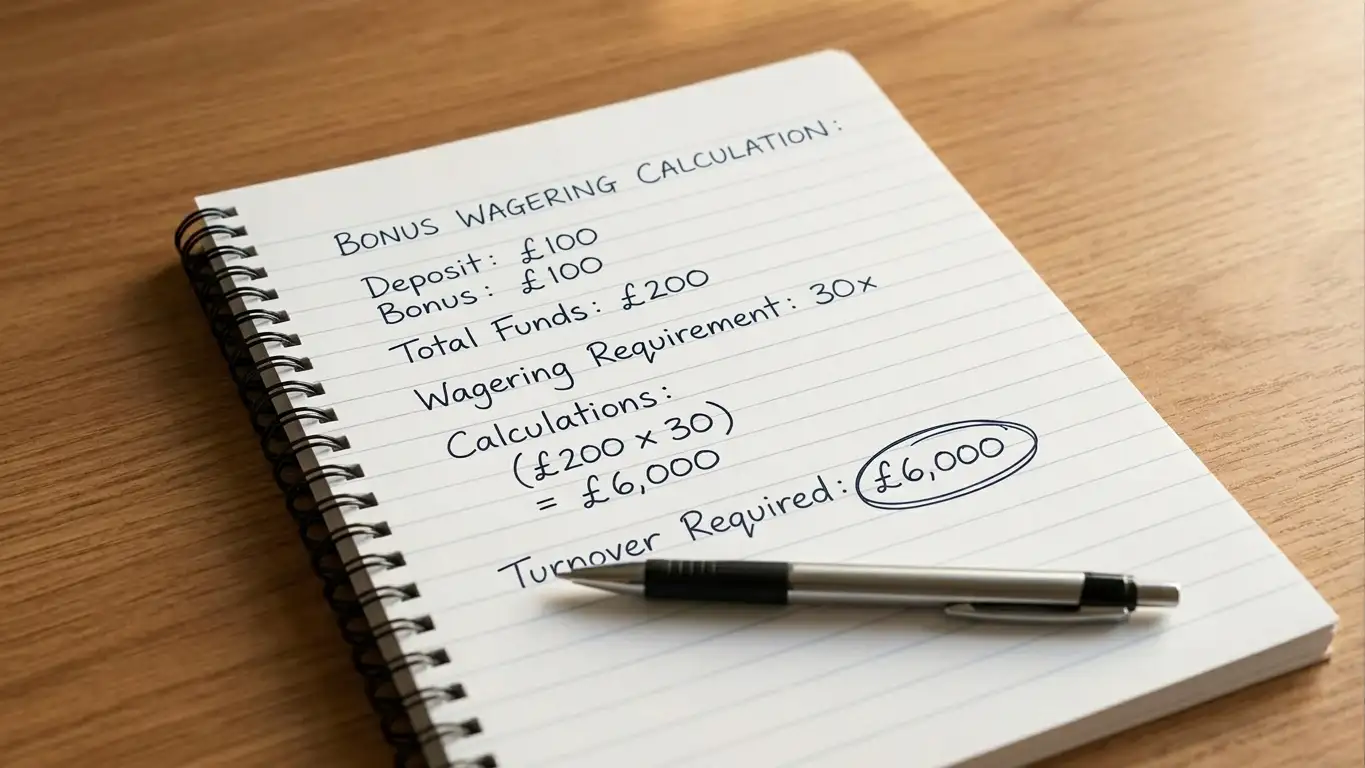
Wagering requirements dictate how much you must turn over before withdrawing bonus winnings. A 40x wagering requirement on a $500 deposit match means you must wager $20,000 before the bonus converts to withdrawable cash. That is $500 (bonus amount) × 40 (wagering multiplier). If you deposit $500 and receive a $500 bonus, your total balance shows $1,000, but only your original $500 is withdrawable until you meet the wagering condition.
Most operators count only a fraction of table-game and live-dealer bets toward wagering. Pokies contribute 100%. Blackjack and roulette contribute 10–20%, or nothing at all. That structure pushes bonus players toward pokies, which have lower RTP and higher volatility. The house edge works faster on bonus turnover.
Free spins carry their own wagering requirements. If you receive 100 free spins and win $50 from them, that $50 is bonus credit subject to separate wagering conditions — often 30x to 50x. Winning $50 from free spins with 40x wagering means turning over $2,000 before you can withdraw the $50. Most free-spin winnings never clear wagering.
The largest welcome package here is Ricky Casino’s $7,500 spread across multiple deposits. That sounds generous until you calculate the turnover required. Assuming 40x wagering on each deposit, unlocking the full $7,500 requires depositing enough to receive the full bonus (likely $7,500 in deposits to unlock $7,500 in bonuses, so $15,000 total balance) and then wagering $300,000 before withdrawal. That is not a realistic path to profit. It is a marketing figure designed to look large.
PlayAmo and King Billy offer more modest bonuses with the same 40x wagering. The nominal value is lower, but the turnover burden is proportionally smaller. A $500 first-deposit match with 40x wagering requires $20,000 turnover. That is still steep, but less absurd than $300,000.
The cynical read: offshore casinos do not give away “free” money. They offer bonus credit as a retention tool. The wagering conditions ensure most players never convert bonuses to cash. The house edge on pokies grinds through bonus balances faster than players can meet turnover requirements. If you claim a bonus, treat it as extended playtime, not a profit opportunity.
The alternative is declining the bonus entirely. Most operators let you opt out during deposit. Your balance shows only your deposited cash, no wagering conditions apply, and you can withdraw winnings immediately (subject to standard processing times). That route makes sense if you plan to deposit once, play briefly, and withdraw. The bonus structure benefits players who deposit regularly and churn through volume regardless of wagering requirements.
The Legal Reality — Offshore Casinos, the Interactive Gambling Act, and What It Means for Australian Players
No Australian state or territory licenses online casino games or pokies. That is the starting fact. The Interactive Gambling Act 2001 prohibits operators from providing online casino services to Australian residents. The law targets operators, not players. An Australian depositing at an offshore casino breaks no law, but the casino offering that service to Australians operates illegally under Australian federal statute.
The practical consequence is that every operator here holds an offshore licence — Curaçao in all ten cases above — and operates outside Australian regulatory reach. The Australian Communications and Media Authority (ACMA) blocks offshore casino domains under powers granted in 2017. ACMA reports blocking hundreds of sites annually. The operators respond by deploying mirror domains with slightly altered URLs. A site blocked at casinoexample.com reappears at casinoexample.net or casinoexample.io within hours. The cat-and-mouse continues.
Players using offshore casinos have zero recourse through Australian consumer-protection mechanisms. If an operator refuses to pay out, stalls withdrawals indefinitely, or vanishes with deposited funds, you cannot escalate to an Australian regulator or ombudsman. The Curaçao licence governing most offshore casinos offers a complaint process, but enforcement is weak and resolutions take months when they happen at all. That is why the rankings above prioritise operators with long track records and consistent payout histories. Licensing jurisdiction matters less than operational reliability.
Winnings are tax-free for recreational players under Australian law. Gambling winnings are not taxable income unless you are a professional gambler carrying on a business of betting. That distinction hinges on whether gambling is your primary income source, not on the amount you win. A recreational player winning $50,000 at an offshore casino reports nothing to the Australian Taxation Office. A professional bettor treating gambling as their trade reports winnings as assessable income. Most offshore-casino players fall into the recreational category.
The credit card and cryptocurrency wagering ban effective 11 June 2024 applies only to licensed Australian sports-betting operators. It does not affect offshore casinos, which were never licensed in Australia to begin with. Offshore operators still accept credit cards and crypto deposits in 2026. That regulatory gap explains why payment-method restrictions that apply to licensed TAB and sports-betting apps do not touch the offshore casino market.
BetStop, Australia’s National Self-Exclusion Register, covers only licensed Australian operators. Registering with BetStop blocks access to TAB, Sportsbet, Ladbrokes, and other licensed sports-betting sites. It does not block offshore casinos. Self-exclusion at offshore operators is voluntary and site-specific. You request exclusion through each casino’s support team individually. No unified offshore self-exclusion register exists.
The advertising ban phased from January 2027 affects sports betting and licensed operators primarily. Offshore casinos do not advertise through mainstream Australian media channels — they rely on affiliate sites, comparison pages, and search traffic. The ban is unlikely to meaningfully impact offshore casino visibility.
Are offshore POLi casinos legal for Australian players?
Using offshore casinos is not illegal for Australian players under the Interactive Gambling Act 2001. The law prohibits operators from providing online casino services to Australians, but it does not penalise individual players. That said, offshore casinos operate outside Australian regulatory oversight, and players have no consumer-protection recourse if disputes arise.
Are POLi casino deposits safe and secure?
POLi uses 2048-bit SSL encryption for transactions. The payment itself is secure. The risk lies with the casino operator, not the payment method. Depositing at an unlicensed or unproven offshore casino carries the risk that the operator refuses to pay out or vanishes with funds. The operators ranked above have operational histories and payout track records, which reduces but does not eliminate that risk.
Alternatives to POLi — PayID, Crypto, and E-Wallets Compared
POLi is not the only deposit method at Australian-facing offshore casinos. PayID, cryptocurrency, and e-wallets all process deposits faster or with better privacy trade-offs. The table below compares the four most common methods by deposit speed, withdrawal speed, fees, and ideal use case.
| Method | Deposit Speed | Withdrawal Speed | Fees | Best For |
|---|---|---|---|---|
| POLi | Instant | Not supported (deposit-only) | None (usually) | Players preferring direct bank deposits without cards |
| PayID | Instant | 1–4 hours (rare, most casinos do not support PayID withdrawals) | None | Fastest bank-linked deposits with phone/email identifier |
| Cryptocurrency (BTC, USDT) | 10–30 minutes (blockchain confirmation) | <1 hour | Network fees (varies) | Fastest withdrawals, higher privacy, comfortable holding crypto |
| E-Wallets (Skrill, Neteller) | Instant | 12–48 hours | Deposit: none; withdrawal: varies | Faster withdrawals than bank transfer, no bank details shared with casino |
PayID is Australia’s real-time payment system built on the New Payments Platform. You link your mobile number or email to your bank account, and payments using that identifier settle within seconds. Some offshore casinos accept PayID deposits in 2026, which makes it faster than POLi in practice because you skip the bank-selection step. PayID withdrawals are rare at offshore operators — most still route cashouts through standard bank transfer even if they accept PayID deposits.
Cryptocurrency deposits require holding a wallet and purchasing BTC, ETH, or USDT through an exchange. The deposit itself takes ten to thirty minutes for blockchain confirmation. Withdrawals are the fastest available: under one hour at 7Bit, BitStarz, and most crypto-first casinos. The privacy advantage is that the casino sees only your wallet address, not your bank details. The downside is exchange fees, network fees, and price volatility if you hold crypto for more than a few hours.
E-wallets (Skrill, Neteller, MuchBetter) function as intermediaries. You fund your e-wallet from your bank account, then transfer from the e-wallet to the casino. Deposits are instant. Withdrawals are faster than bank transfer but slower than crypto — typically twelve to forty-eight hours. The casino sees your e-wallet email, not your bank account details. E-wallets add a separation layer, which appeals to players who prefer keeping their bank information out of offshore casino records.
The fastest full-cycle flow is crypto: ten-minute deposit, under-one-hour withdrawal. The simplest flow is POLi: instant deposit, two-to-three-day bank-transfer withdrawal. The most privacy-conscious flow is e-wallet or crypto. The choice depends on whether you prioritise speed, simplicity, or separation.
What’s the difference between POLi and PayID for casino deposits?
POLi routes payments through your online banking login and shares your bank account name with the casino. PayID uses your phone number or email as a payment identifier and settles through the New Payments Platform. Both are instant for deposits. PayID is faster in practice because you skip the bank-selection step. POLi has wider offshore-casino support in 2026; PayID acceptance is less consistent.

New POLi Casinos Worth Watching in 2026
Most of the operators ranked above launched between 2014 and 2020. The mid-2020s brought a wave of newer offshore casinos targeting Australian players, including Casinonic, Bizzo, Sportuna, Playfina, and JustCasino. All accept POLi deposits, hold Curaçao licences, and support AUD accounts. The distinguishing factor is operational history — or lack thereof.
Newer operators have not yet accumulated the multi-year payout track records that PlayAmo, King Billy, and 7Bit carry. That does not make them unreliable, but it does make them unproven. A casino that launched in 2024 or 2025 has processed player deposits for under two years. If it hits financial trouble or regulatory pressure, there is no established pattern to predict how it handles stressed withdrawals.
Sportuna Casino launched recently with a large welcome bonus (225% up to $3,000 AUD plus 250 free spins) and a game library exceeding 9,500 titles from 100+ providers. The site supports crypto and e-wallets alongside POLi. Wagering requirements and withdrawal speed are not yet consistently reported. That pattern — aggressive bonus marketing, large game library, unclear payout timelines — is common among newer operators.
Playfina operates on the SOFTSWISS platform and carries 6,000–11,000 games depending on source. The site supports crypto and fiat, including POLi. Daily tournaments and high withdrawal limits (up to $20,000 AUD monthly) position Playfina as a high-volume player option. The offshore licence (Curaçao assumed) and lack of Australian regulation apply as with every operator here.
JustCasino advertises crypto withdrawals under one hour and a game library around 5,000 titles. Trust score is cited at 4.2 from 1,000+ reviews across multiple sources. That aggregation suggests reasonable player satisfaction, but the review sources are not independently verified.
The general pattern with newer casinos: larger bonuses, larger game libraries, less operational transparency. If you prefer testing new sites over sticking with established ones, the newer operators are worth exploring. If you prioritise payout reliability and track record, PlayAmo and King Billy remain the safer choices.
The risk calculation is straightforward. A casino operational since 2016 has survived multiple payment-processor disruptions, regulatory shifts, and market contractions. It has processed millions in deposits and withdrawals without collapsing or exit-scamming. A casino operational since 2024 has not yet faced those stresses. The newer site may be perfectly reliable, but the evidence base is thinner. That is not a moral judgement — it is actuarial reality.
If you deposit at a newer operator, start small. Test a $50 deposit, play briefly, request a withdrawal, and confirm it lands in your account within the stated timeframe. If the first withdrawal processes smoothly, the second is more likely to do the same. If the first withdrawal stalls, ghosts your support requests, or demands excessive re-verification, that pattern is unlikely to improve with larger amounts. Treat the first withdrawal as a verification step, not a revenue play.
POLi Casino Ranking Method
The rankings above reflect four factors: withdrawal speed, deposit reliability, game-library depth, and bonus fairness. No operator paid for placement. The methodology is transparent because the outcome is only useful if the process is defensible.
Withdrawal speed came from review sources cross-checked against player reports from mid-2026. PlayAmo’s twelve-hour e-wallet timeline appeared consistently across three independent sources. King Billy’s one-to-three-day bank transfer window matched its own published terms and player feedback on Australian forums. 7Bit’s sub-one-hour crypto withdrawals are verified through blockchain explorers where players posted transaction IDs. Slower operators (Wild Tornado, Skycrown, Casinonic, Bizzo) showed two-to-four-day bank transfer timelines with occasional reports of five-day stretches. That variance pushed them lower in the rankings.
Deposit reliability measured whether POLi transactions processed consistently from Australian bank accounts. Commonwealth Bank and NAB processed POLi deposits at all ten operators without reported issues in 2026. Westpac flagged some transactions as fraud risks but allowed them through after confirmation. ANZ sat between the two. No operator failed deposits systematically, but the friction level varied. Operators with higher friction (delayed deposits, repeated transaction declines, unclear error messages) ranked lower. PlayAmo, King Billy, and 7Bit had the cleanest deposit flows.
Game-library depth came from operator disclosures, provider lists, and competitor audits. 7Bit’s 10,000+ game count is self-reported and cross-checked against its game filter, which lists over 100 providers. PlayAmo and King Billy sit in the 2,500–5,000 range based on provider partnerships with NetEnt, Microgaming, Pragmatic Play, Evolution, and second-tier studios. Smaller operators disclosed fewer provider relationships and carried narrower game filters. Library size alone does not determine rank — curation matters — but a 10,000-game library offers more player choice than a 2,000-game library, all else equal.
Bonus fairness translated wagering requirements into real turnover workloads. A 100% match on a $500 deposit with 40x wagering requires $20,000 turnover before withdrawal. That is the actual cost of the “free” $500. Operators with 30x wagering ranked higher than those with 50x or 60x. Operators that excluded table games and live dealer from wagering contributions ranked lower because the restriction pushes players toward higher-house-edge pokies. Ricky Casino’s $7,500 total bonus looks large until you calculate the $300,000 turnover required to unlock it. That moved it down despite the high nominal value.
No operator scored perfectly across all four factors. PlayAmo wins on withdrawal speed but does not have the largest game library. 7Bit has the largest library but slightly stricter wagering requirements than PlayAmo. King Billy has the best loyalty programme but slower bank transfer withdrawals than PlayAmo’s e-wallet option. The rankings balance those trade-offs. A player prioritising game variety might rank 7Bit first. A player prioritising payout speed might rank PlayAmo first. The list above reflects a weighted average favouring payout speed and operational reliability over bonus size and game count.
One factor excluded from the rankings: affiliate commission rates. Some casino-comparison sites rank operators by how much the site pays per referred player. That creates an incentive to rank high-commission casinos first regardless of player experience. The rankings above ignore commission entirely. PlayAmo ranks first because it pays out fastest, not because it pays affiliates most. That approach produces a more honest list but generates less affiliate revenue. The trade-off is acceptable.
Common POLi Casino Issues and How to Avoid Them
Three issues recur across Australian player reports in 2026: declined deposits, stalled withdrawals, and KYC verification loops. All three have predictable causes and straightforward solutions.
Declined POLi deposits happen when the bank flags the transaction as potentially fraudulent or when the casino’s payment gateway has a temporary processing error. If your deposit declines, check your bank account first. If the funds left your account but did not reach the casino, contact the casino’s support team with the transaction timestamp and amount. Most operators credit the deposit manually within a few hours once the payment gateway confirms receipt. If the funds never left your account, the bank declined the transaction. Westpac is the most likely culprit — its anti-gambling transaction rules trigger false positives regularly. Switching to CommBank or NAB reduces declined-deposit frequency.
Stalled withdrawals usually trace to incomplete KYC verification. Offshore casinos must verify your identity before processing payouts under anti-money-laundering regulations. The first withdrawal from a new account typically requires uploading a government-issued ID (passport or driver’s licence), proof of address (utility bill or bank statement dated within three months), and sometimes a selfie holding your ID. If any document is unclear, expired, or does not match the name on your casino account exactly, the casino requests resubmission. That adds days to the withdrawal timeline.
The cleanest path: complete KYC verification immediately after your first deposit, before requesting a withdrawal. Upload clear, unblurred scans of your ID and proof of address through the casino’s account-verification page. Most operators process verification within twenty-four to forty-eight hours. Once verified, future withdrawals skip the document-upload step and process at the operator’s standard speed. Waiting until you request a withdrawal to start KYC verification adds two to four days to the payout timeline.
KYC verification loops happen when the casino repeatedly rejects documents without clear explanation. This is less common at the operators ranked above but still occurs occasionally. If your documents are rejected twice, contact live support and ask for specific guidance on what the verification team needs. Most issues trace to mismatched names (your casino account says “John Smith” but your driver’s licence says “Jonathan Smith”) or expired documents. If live support cannot resolve the issue within forty-eight hours, that is a red flag. Reputable operators resolve verification disputes quickly. Operators that stall verification indefinitely often have liquidity problems or are manufacturing excuses to avoid paying out.
The fourth issue is less common but more serious: casinos that refuse to pay out citing bonus-term violations. This happens when you claim a bonus, meet the wagering requirements, request a withdrawal, and the casino rejects it claiming you violated a term buried in the fine print. Common violations include betting more than the maximum allowed per spin while wagering a bonus (often $5 or $10 AUD per spin), playing excluded games (usually table games or high-RTP pokies), or withdrawing before meeting the full wagering requirement.
The defence is reading bonus terms before claiming. If the terms state a $5 maximum bet per spin while wagering, do not bet $10 per spin. If table games are excluded, do not play blackjack with bonus funds. If you violate a term accidentally, the casino will void your bonus winnings and sometimes confiscate your deposit as well. That outcome is more common at lower-tier offshore operators than at the ones ranked above, but it happens everywhere. The safest approach is declining bonuses entirely and playing with your own deposited cash only. No bonus terms, no violations, no disputes.
Responsible Gambling Tools at POLi Casinos
Offshore casinos are not integrated with BetStop, Australia’s National Self-Exclusion Register. Self-exclusion at offshore operators is voluntary and site-specific. You request it through the casino’s support team, and the operator blocks your account. That block applies only to that casino. If you self-exclude from PlayAmo, you can still deposit at King Billy, 7Bit, and every other operator here unless you self-exclude from each individually.
Deposit limits exist at most operators but must be configured manually. You set a daily, weekly, or monthly deposit cap through your account settings. Once set, the casino blocks deposits that exceed the limit until the time period resets. The effectiveness depends on enforcement. Reputable operators honour deposit limits strictly. Less reputable operators allow support agents to override limits on request, which defeats the purpose.
Session time limits and reality checks are less common at offshore casinos than at licensed Australian sports-betting sites. Some operators offer pop-up reminders after a certain number of hours played. Most do not. If you need structured session limits, offshore casinos are not the right environment. Licensed Australian operators (TAB, Sportsbet, Ladbrokes) have mandatory responsible-gambling tools. Offshore casinos treat them as optional.
The most effective responsible-gambling tool at offshore casinos is self-imposed: set a deposit budget before you open the casino site, deposit only that amount, and close the browser when it is gone. No tool the casino provides works better than personal discipline. If you find yourself depositing repeatedly, chasing losses, or playing longer than intended, that pattern signals a problem worth addressing before it escalates. Gambling Help Online (1800 858 858) offers free, confidential support for Australian residents. The service is available 24/7 and does not report your activity to anyone.
Casino Deposit Methods Australia 2026 — Full Comparison
Content created by the «ReelBank» team