
Best Casino Payment Methods for Australian Players: Real Speeds, Fees & Bank Blocks Solved 2026
 Available in AU
Your debit card bounces at the cashier. Again. You punch in the details, hit deposit, and the transaction stalls with no explanation. Welcome to the Australian casino payment reality: no locally licensed operators exist, every dollar flows to offshore processors in Cyprus or Curaçao, and Australian banks screen gambling transactions with a vigilance usually reserved for organised crime.
PayID, debit cards, e-wallets, crypto, prepaid vouchers, mobile payments — they all work, until they don’t. Some bypass bank blocks entirely. Some support withdrawals; others trap your winnings until you find a separate cashout method. Some charge nothing. Others clip 15% before you’ve even placed a bet.
The list below maps which methods actually work for Australian players in 2026, with tested withdrawal speeds, real fee breakdowns, and explicit bank-block workarounds. No generic “fast and secure” claims. Concrete numbers, friction points, and a decision framework that matches your priority to the method that delivers it.
Why Australian Players Need This Overview (The Offshore Reality)
The Interactive Gambling Act 2001 bans online casino operators from offering services to Australian residents from within Australia. Not “discourages.” Bans. No Australian regulator issues casino licenses. The Australian Communications and Media Authority publishes a register of licensed interactive gambling providers, and every name on it is a sports or race wagering operator. Online casinos? Zero.
That leaves offshore sites — Curaçao, Malta, Cyprus licenses — and offshore payment processors. Your bank sees a transaction to a gambling merchant (Merchant Category Code 7995) in a jurisdiction it doesn’t recognise, and the compliance algorithm either declines it outright or parks it for review. CommBank, Westpac, ANZ, NAB — all screen MCC 7995 as of 2026. Some transactions clear. Others don’t. The pattern is unpredictable enough that card deposits have become a coin toss.
The 2024 credit card ban made it worse. The Interactive Gambling Amendment (Credit and Other Measures) Act 2023 prohibited credit cards, credit-related products, and digital currency for online wagering, effective 11 June 2024. Debit cards remain legal, but banks interpret “legal” as “we’ll decide per transaction.” One deposit clears, the next bounces, same card, same casino, no explanation.
This is why payment-method choice matters more in Australia than almost anywhere else. The right method bypasses bank blocks, supports fast withdrawals, keeps fees transparent, and doesn’t force you into a separate cashout rail when the deposit method turns out to be one-way.
Is cryptocurrency legal for online gambling in Australia?
Crypto is banned for licensed Australian wagering operators under the 2024 amendment (the “digital currency” clause). But no licensed operators offer casino games anyway — they’re all offshore. Enforcement targets operators, not players. Offshore casinos continue accepting Bitcoin, Tether, Ethereum, and Australian players continue using them. Legal grey zone, operational green light.
Payment Methods Compared — At a Glance
Fourteen methods are mentioned across Australian casino guides. Seven work reliably. Four are deposit-only traps. Three exist in theory but fail in practice.
| Method | Deposit Speed | Withdrawal Speed | Fees | Bank Block Bypass | Bidirectional | Best For |
|---|---|---|---|---|---|---|
| PayID | <60 seconds | 25 min – 4 hours | $0 | No (bank sees gambling) | Yes | Fastest withdrawals, AUD-native, zero fees |
| Visa Debit | Instant | 1–3 days | $0 – 2% | No (MCC 7995 screened) | Patchy | Familiarity (if bank allows) |
| Mastercard Debit | Instant | 1–3 days | $0 – 2% | No (MCC 7995 screened) | Patchy | Familiarity (if bank allows) |
| Skrill | Instant | 2–24 hours | 0–2.5% deposit, 2% + 3.99% FX withdrawal | Yes | Yes | Bypass blocks, wide acceptance |
| Neteller | Instant | 2–24 hours | 0–2.5% deposit, 2% + 3.99% FX withdrawal | Yes | Yes | Bypass blocks, sister to Skrill |
| MuchBetter | Instant | <24 hours | $0 deposit, 0–2% withdrawal | Yes | Yes | Mobile-first, free AUD withdrawal |
| PayPal | Instant | 24 hours – 3 days | 2–3% deposit | Yes | Yes | Brand recognition, near-zero AU acceptance |
| Bitcoin | 10–30 min | 10–60 min | $5–$15 network fee | Yes (bypasses banks) | Yes | Anonymity, speed, volatility risk |
| Tether (USDT) | 10–30 min | 10–60 min | <$1 network fee (Tron) | Yes (bypasses banks) | Yes | Crypto without volatility |
| Neosurf | 2–15 min | N/A (deposit-only) | 3.5–15% purchase fee | Yes (retailer = gift-card MCC) | No | Anonymity, cash-to-casino, budget ceiling |
| Paysafecard | 2–15 min | N/A (deposit-only) | 3–15% purchase fee | Yes (retailer = gift-card MCC) | No | Anonymity, weaker AU availability than Neosurf |
| POLi | Instant – 30 min | N/A (deposit-only) | $0 (typically) | No | No | Legacy bank transfer, no advantage over PayID |
| Apple Pay | Instant | 1–3 days | $0 – 2% | No (card rail, MCC 7995 screened) | Patchy | One-tap convenience (same friction as cards) |
| Google Pay | Instant | 1–3 days | $0 – 2% | No (card rail, MCC 7995 screened) | Patchy | Android convenience (same friction as cards) |
Bidirectional = deposit + withdrawal support. Deposit-only methods force a separate cashout rail. That’s not a minor inconvenience — it doubles KYC friction, adds withdrawal delays, and sometimes traps winnings when the casino’s withdrawal options don’t align with what you have available.
The withdrawal-compatibility gap is the hidden cost most guides skip. You deposit with Neosurf because it bypasses bank blocks. You win. The casino doesn’t offer Neosurf withdrawals (it’s a voucher — physically impossible). Your cashout options: bank wire (3–5 days, compliance review risk), PayID (if casino supports it), or crypto (if you have a wallet). If none of those work for you, your winnings sit in limbo until you set one up. Plan the exit before the entry.

PayID — Australia’s Instant Bank Transfer
PayID is the closest thing Australian players have to a frictionless payment method in 2026. It’s not a separate company or app — it’s an addressing service managed by Australian Payments Plus, running on the New Payments Platform (NPP). Link your mobile number or email to your Australian bank account, and instant AUD transfers become a QR-code scan or a number punch.
Offshore casinos serving Australians adopted PayID aggressively between 2020 and 2026. Deposits credit in under 60 seconds. Withdrawals — once the casino approves them — hit your account in 25 minutes to 4 hours depending on the operator’s processing queue. Hell Spin clocked 25 minutes in real-money testing. Lucky7 took 35. The NPP rail itself is instant; the variable is how long the casino holds the payment in “pending” before releasing it to the network.
Zero fees on the NPP side. Some casinos add a surcharge, but it’s rare — most treat PayID as a cost-of-doing-business in the Australian market. The catch: your casino account name must match your bank account name exactly. Mismatch triggers a KYC flag, and your withdrawal sits in review until support manually verifies you. That can add hours or days depending on how fast the operator’s compliance team moves.
How PayID Works for Casino Deposits and Withdrawals
At the casino cashier, select PayID (sometimes nested under “Bank Transfer”). The casino displays a reference code and the amount. Open your banking app — CommBank, Westpac, NAB, ANZ, whatever you use — select PayID or Osko, enter the casino’s PayID identifier (usually a mobile number or email), punch in the reference code exactly as shown, and authorise. Funds land in your casino balance within a minute, usually faster.
Withdrawals reverse the flow. Request a payout at the casino, nominate PayID as the method, enter your own PayID identifier (the mobile or email linked to your bank account), and wait. The casino processes the withdrawal (anywhere from instant to 24 hours depending on operator and your account tier), then pushes it to the NPP. From there it’s near-instant — your bank balance updates within minutes.
The name-matching rule bites hardest on withdrawals. If you registered at the casino as “John Smith” but your bank account is under “Jonathan Smith,” the mismatch will delay payout until you upload ID proving both names belong to you. Fix this at signup: use the exact legal name on your Australian bank account when creating your casino profile.
PayID Pros and Cons for Aussie Players
Strengths: Fastest bidirectional method available to Australians. Free. AUD-denominated (no FX conversion). Works 24/7 including weekends and public holidays. Supported by every major Australian bank. Growing acceptance at offshore casinos — now standard rather than novelty.
Weaknesses: Bank sees the gambling transaction. PayID doesn’t bypass MCC screening the way e-wallets or crypto do — your bank’s compliance system knows you’re paying a casino. ACMA and AUSTRAC increased monitoring of PayID payments to unlicensed offshore sites in 2025–2026. Outright blocks remain rare as of September 2026, but some banks have begun flagging high-frequency PayID gambling transactions for manual review.
Withdrawal support is operator-dependent. Most AU-facing offshore casinos added PayID withdrawals by 2026, but smaller or newer sites may still offer PayID deposits only and force you to cash out via bank wire or crypto. Check the cashier’s withdrawal page before depositing — if PayID appears under “Deposit” but not “Withdraw,” plan your exit accordingly.
Are there any fees for using PayID at online casinos?
Zero on the NPP rail and your bank’s side. The casino may add a small deposit fee (1–2%), but most don’t. Withdrawal fees are even rarer — operators absorbed them to stay competitive in the Australian market. If a casino charges for PayID withdrawals, it’s usually a flat AUD amount (e.g. $2–$5), not a percentage.

Debit Cards (Visa & Mastercard) — Familiar But Fragile
Debit cards remain the most recognised payment method among Australian casino players, and they’re legal for online gambling after the 2024 credit card ban explicitly exempted them. Deposits process instantly where they’re accepted. Withdrawals take 1–3 business days when the casino supports card payouts, which many don’t.
The friction is Merchant Category Code 7995. Every card transaction carries an MCC telling your bank what kind of merchant it’s going to. Gambling operators get 7995. Australian banks — CommBank, Westpac, ANZ, NAB, and most smaller institutions — run MCC screening on debit cards even though they’re legal. The screening is operational policy, not a legal requirement. One transaction clears, the next declines, same card, same casino. No warning, no pattern, no appeal.
Decline rates increased between 2025 and 2026. Players report 30–50% of debit card deposit attempts bouncing at major Australian banks. When a transaction does clear, there’s no guarantee the next one will. Some players rotate between multiple debit cards from different banks to improve odds. Others gave up entirely and switched to e-wallets or crypto.
Visa Debit Cards
Visa Inc. runs the global card network; your Australian bank issues the card. Examples: CommBank Debit Mastercard (branded Mastercard but same structure), ANZ Visa Debit, Westpac Debit Mastercard, NAB Visa Debit. Deposit speed is instant where the transaction is approved. Withdrawal support is patchy — many offshore casinos accept Visa deposits but don’t offer Visa withdrawals, forcing you to cash out via PayID, crypto, or bank wire.
Fees are typically zero from the player’s side, though some casinos add a 2–3% card processing surcharge. If the casino processes payments in USD or EUR instead of AUD, your bank applies a foreign exchange conversion fee (1–3% spread on top of the interbank rate). That FX cost is silent — it shows up as a slightly smaller AUD amount hitting your account, not a separate line item.
The bank-block lottery makes Visa debit unreliable as a primary method in 2026. It works often enough that many players try it first out of habit, but the 30–50% decline rate means you need a backup plan before you attempt a deposit. E-wallets and PayID serve as that backup for most Australians.
Mastercard Debit Cards
Functionally identical to Visa debit from a player’s perspective. Mastercard Inc. operates the network; Australian banks issue the cards. Same instant deposit speed where approved, same 1–3 day withdrawal timeline where supported, same MCC 7995 screening by banks, same decline rates.
The choice between Visa and Mastercard debit is usually dictated by whichever card your bank issued, not by feature differences. Some offshore casinos accept one network but not the other, though most accept both. If your Visa debit gets declined, trying a Mastercard debit (or vice versa) occasionally works, but the MCC screening operates at the issuing-bank level, not the card-network level. Switching cards from the same bank rarely helps; switching to a card from a different bank sometimes does.
Why Bank Blocks Happen (MCC 7995 Explained)
Merchant Category Codes classify businesses for payment processing. MCC 7995 = gambling. Your bank’s transaction-monitoring system sees the code before it sees anything else. For credit cards, the 2024 ban made MCC 7995 an automatic hard decline — the transaction doesn’t even attempt to process. For debit cards, the ban doesn’t apply, but banks implemented their own screening.
Why? Three reasons. One: Australian banks face reputational risk if they’re seen as facilitating gambling to offshore sites that ACMA is actively trying to block. Two: payment disputes on gambling transactions are messy — when a player claims fraud, the bank often can’t verify the legitimacy of a Curaçao-licensed processor. Three: voluntary gambling-block features (CommBank’s “gambling block,” NAB’s spending cap tools) create an expectation that banks will help customers manage gambling spend. Blocking MCC 7995 transactions aligns with that positioning, even when the transaction is legal.
The screening isn’t uniform. Some banks decline all debit gambling transactions by policy. Others use risk scoring — frequent small transactions to the same merchant might clear, while a large one-off deposit triggers review. Player reports suggest regional banks (Bendigo, Bank of Melbourne) are slightly more permissive than the big four, but the pattern is anecdotal, not reliable.
The 2024 credit card ban removed ambiguity on credit. Debit remains a grey zone where the law says “allowed” and banks say “we’ll see.”
Can I use my credit card to deposit at online casinos in Australia?
No. The Interactive Gambling Amendment (Credit and Other Measures) Act 2023 banned credit cards for online gambling, effective 11 June 2024. The ban is federal law. Operators who accept credit cards from Australians face fines. Your bank will decline the transaction even if the casino attempts to process it. Debit cards are legal and remain the only card option.
E-Wallets — Bypass Bank Blocks, Fast Withdrawals
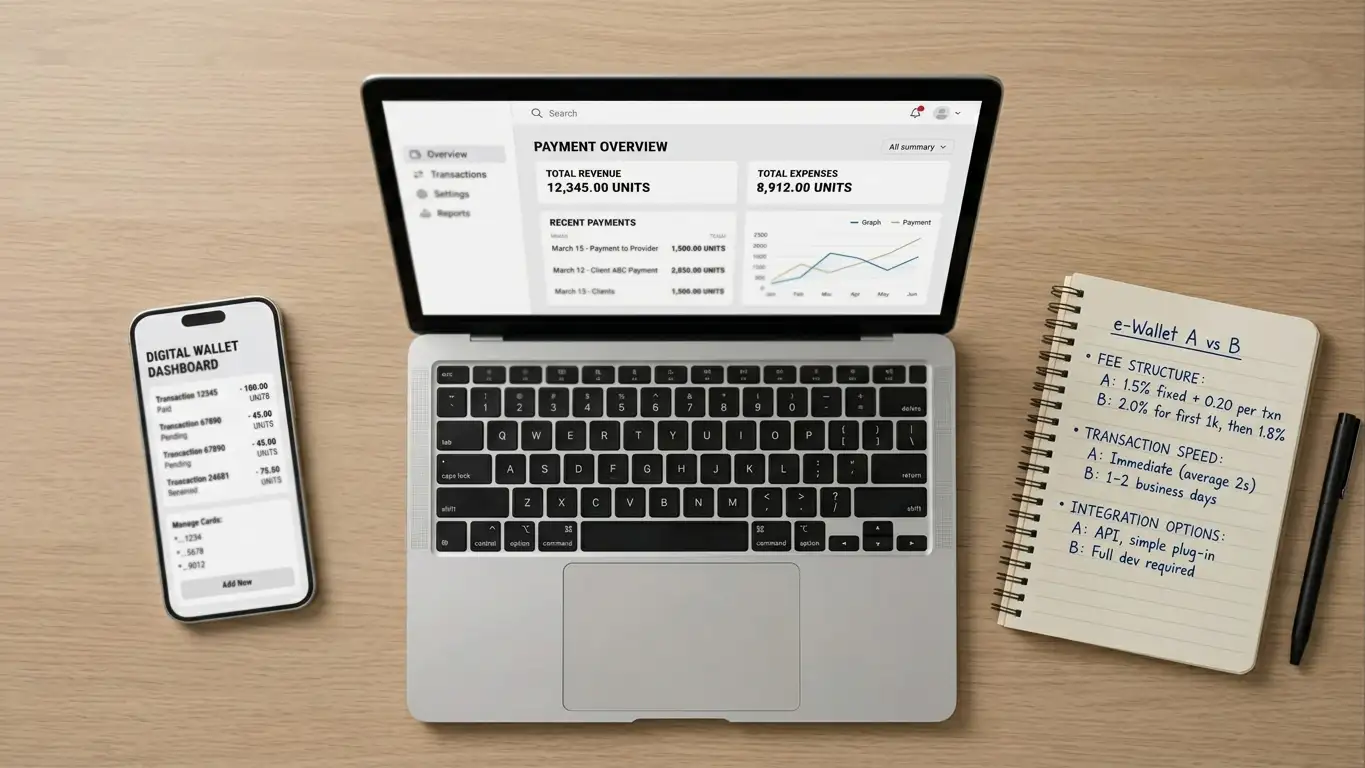
E-wallets create a buffer between your bank account and the casino. You load the e-wallet once from your bank (the bank sees a payment to a financial-services company, not a gambling merchant), then use the e-wallet balance across multiple casinos. Deposits are instant. Withdrawals land in 2–24 hours depending on the operator. Bank MCC screening is bypassed entirely — your bank never sees the casino transaction.
Skrill and Neteller dominated the Australian e-wallet market for years. Both pulled back from some AU-facing offshore operators in 2022, creating gaps that MuchBetter and eZeeWallet have since filled. PayPal holds near-universal brand recognition but accepts almost no offshore casinos serving Australians due to its own gambling restrictions. When a guide lists PayPal as an option, check the casino’s live cashier — availability is under 5% as of 2026.
Fees vary by e-wallet. Skrill and Neteller charge 2% on withdrawals from the e-wallet to your Australian bank account, plus 3.99% foreign exchange conversion if the casino paid you in EUR or USD. MuchBetter offers free AUD withdrawals from the e-wallet to your bank. Deposit fees depend on the casino’s agreement with the e-wallet provider — most casinos cover it, some pass 1–2.5% to the player.
PayPal (Limited Availability)
PayPal Holdings Inc. operates under an Australian Financial Services License (AFSL 304962) and holds near-total brand recognition among Australians for online shopping and eBay. For casino deposits, it’s near-useless. PayPal’s Acceptable Use Policy restricts gambling transactions in Australia. Fewer than 5% of offshore casinos serving Australians accept PayPal as of 2026, and those that do often limit it to sports betting rather than casino games.
Where it works, deposit speed is instant, withdrawal speed is 24 hours to 3 days, and fees run 2–3% on deposits. The e-wallet account itself is free to set up and maintain. The friction is availability, not functionality. If you already have a PayPal account and a casino happens to accept it, the experience is seamless. Finding that casino is the hard part.
Most guides list PayPal for completeness and brand recognition, not because it solves a real problem for Australian casino players in 2026. Skrill, Neteller, and MuchBetter offer wider acceptance and comparable or better fee structures.
Skrill
Skrill Limited is a UK Financial Conduct Authority-regulated e-wallet (FRN 900001), part of the Paysafe Group. Originally launched in 2001 as Moneybookers, rebranded to Skrill in 2011. Widely accepted at offshore casinos serving Australians — Skrill deposits and withdrawals are standard at most mid-tier and large operators as of 2026.
Deposit speed is instant once your Skrill account is loaded. Withdrawal speed from casino to Skrill: 2–24 hours depending on operator. Withdrawal from Skrill to your Australian bank account: 2% fee plus 3.99% foreign exchange conversion if the casino paid in EUR/USD and Skrill converts to AUD. Total withdrawal cost can hit 6% for non-AUD payouts, which is why checking the casino’s payout currency before depositing matters.
Account setup requires KYC at the Skrill level — photo ID and proof of address upload. Processing usually takes 24–48 hours. Some casinos exclude Skrill (and Neteller) deposits from welcome bonus eligibility, flagging them as “bonus abuse” prevention. That exclusion is operator-specific, not universal, but common enough that reading bonus terms before depositing with Skrill is worth the 30 seconds.
Neteller
Neteller (Paysafe Financial Services Ltd, FCA-regulated FRN 900015) is Skrill’s sister service under the Paysafe Group. Launched 1999, predates Skrill by two years. Functionally identical from a player’s perspective: instant deposits, 2–24 hour casino-to-Neteller withdrawals, 2% + 3.99% FX fees on Neteller-to-bank payouts, same KYC requirements, same bonus exclusions at some casinos.
The main difference is cosmetic branding and which casinos accept each. Some operators offer both Skrill and Neteller; others support only one. If you’re setting up an e-wallet account for the first time, check your target casino’s cashier to see which one it lists, then pick that. If both are available, Skrill and Neteller are interchangeable — fees, speeds, and functionality are identical in practice.
Both withdrew from selected AU-facing offshore operators in 2022 following regulatory pressure, but acceptance remains strong at established sites as of 2026. The withdrawal pattern targeted smaller or newer operators, not the market leaders.
MuchBetter
MuchBetter Ltd (UK FCA-regulated FRN 900582) launched in 2017 as a mobile-first e-wallet designed for app-based transactions rather than desktop browser use. Download the iOS or Android app, complete KYC (photo ID via the app), and deposits happen via QR code scanning or account-number entry. No desktop web interface exists — everything runs through the mobile app.
Deposit speed is instant. Withdrawal from casino to MuchBetter: typically under 24 hours. Withdrawal from MuchBetter to your Australian bank account: free for AUD. That zero-fee AUD cashout is MuchBetter’s main competitive edge over Skrill and Neteller, which clip 2% plus FX conversion. Deposit fees are rare — most casinos absorb them.
Acceptance grew steadily between 2020 and 2026. MuchBetter appears at 100+ offshore casinos serving Australians, with fewer bonus exclusions than Skrill/Neteller. The mobile-only structure is either a strength (if you deposit from your phone anyway) or a dealbreaker (if you prefer desktop casino play and hate switching devices for transactions).
Other E-Wallets (eZeeWallet, MiFinity, STICPAY)
eZeeWallet — Australian-facing e-wallet with growing acceptance at offshore operators targeting the AU market. Instant deposits, typically free withdrawals to Australian bank accounts, fewer bonus restrictions than Skrill/Neteller. Acceptance is narrower than the big three but improving.
MiFinity — UK FCA-regulated (MiFinity Ltd), supports AUD accounts, accepted at mid-tier offshore casinos. Similar fee structure to Skrill/Neteller but less widespread. Worth checking if your target casino lists it and you want an alternative to the Paysafe-owned pair.
STICPAY — Singapore-based e-wallet with niche acceptance at AU-facing operators. AUD support, instant deposits, small withdrawal fees. Rarely a first choice but occasionally useful when a casino accepts STICPAY but not Skrill/Neteller.
The e-wallet market consolidated around Skrill, Neteller, and MuchBetter by 2026. The others fill gaps rather than compete head-to-head.
Why do some casinos not accept PayPal from Australian players?
PayPal’s Acceptable Use Policy restricts gambling transactions in most jurisdictions, including Australia. Offshore casinos serving Australians operate in a legal grey zone — the Interactive Gambling Act bans them from offering services here, but enforcement targets operators, not players. PayPal doesn’t want the regulatory exposure of processing payments to businesses that are technically prohibited from serving Australians, even if those businesses operate legally under Curaçao or Malta licenses. Skrill and Neteller took the opposite bet: embrace the offshore gambling market and accept the regulatory scrutiny. PayPal chose compliance over market share.
How long do e-wallet withdrawals take compared to bank transfers?
E-wallet withdrawals from casino to e-wallet: 2–24 hours, typically same-day. Bank wire withdrawals from casino to your Australian bank account: 3–5 business days, plus compliance review time if the amount is large or the transaction raises flags. E-wallet-to-bank (once funds are in your Skrill/Neteller/MuchBetter account) adds another 1–3 days, but you can leave the balance in the e-wallet for future deposits rather than cashing out to your bank immediately. Net speed advantage: e-wallets are 2–4x faster than direct bank wires.
| E-Wallet | Acceptance at AU Casinos | Deposit Fee | Withdrawal Fee (E-Wallet to Bank) | FX Conversion Fee | Withdrawal Speed (Casino to E-Wallet) |
|---|---|---|---|---|---|
| Skrill | High (80%+) | 0–2.5% | 2% | 3.99% | 2–24 hours |
| Neteller | High (80%+) | 0–2.5% | 2% | 3.99% | 2–24 hours |
| MuchBetter | Growing (50%+) | $0 | $0 (AUD) | 0% (AUD) | <24 hours |
| PayPal | Very low (<5%) | 2–3% | 0% (AUD typically) | ~3% | 24–72 hours |
| eZeeWallet | Growing (30%+) | $0 | $0 (AUD) | 0% (AUD) | 2–24 hours |
| MiFinity | Moderate (20%+) | 0–2% | Small flat fee | ~4% | 2–24 hours |
Cryptocurrency — Anonymity and Speed (With Volatility Risk)
Crypto bypasses banks entirely. No MCC screening, no compliance reviews, no declined transactions because your bank decided this particular deposit looked suspicious. You load a wallet, copy the casino’s deposit address, send Bitcoin or Tether, and the funds credit in 10–30 minutes once the blockchain confirms the transaction. Withdrawals reverse the flow: 10–60 minutes for the blockchain leg, plus however long the casino’s approval queue takes.
Anonymity is partial. Blockchain addresses are pseudonymous — the transaction is public but not directly linked to your identity. The casino still requires KYC for withdrawals (photo ID, proof of address), so you’re not fully anonymous. But your bank never sees the transaction, which solves the MCC 7995 problem and keeps gambling spend off your bank statement.
The catch is volatility. Hold a bankroll in Bitcoin for two weeks and you’ve taken a currency position whether you meant to or not. BTC swings 5–15% in a week routinely, 30%+ in a month occasionally. Win $2,000 AUD equivalent in Bitcoin, wait five days for the casino to process your withdrawal, and you could cash out at $1,700 or $2,300 depending on which way the market moved. Tether (USDT) solves this — it’s a stablecoin pegged to the US dollar, so the volatility is USD/AUD exchange rate movement (1–2% typically) rather than BTC’s wild swings.
Network fees vary by coin and congestion. Bitcoin averages $5–$15 per transaction as of 2026, Ethereum $1–$50 depending on gas prices, Litecoin and Dogecoin under $1, Tether on the Tron network often under $1. Those fees are paid to miners/validators, not the casino. Some casinos absorb deposit fees; others pass them through. Withdrawal fees depend on casino policy — many cover one free crypto withdrawal per month, then charge a flat fee or percentage on subsequent cashouts.
Bitcoin (BTC)
Bitcoin launched in 2009, the original cryptocurrency. Decentralised, no central entity controls it, open-source protocol maintained by a global developer community. Accepted at 80%+ of offshore crypto casinos serving Australians as of 2026. Deposit speed: 10–30 minutes for blockchain confirmation (casinos typically require 1–3 confirmations before crediting your balance). Withdrawal speed: 10–60 minutes for the blockchain leg, plus casino processing time (instant to 24 hours depending on operator and account tier).
Network transaction fee averages $5–$15 as of 2026, though it can spike to $20+ during congestion. Price volatility is the main risk. BTC trades at different USD values every hour. Holding a balance in BTC means your bankroll fluctuates with the market. For a quick deposit-play-cashout session (under 24 hours), volatility risk is minimal. For a balance held across days or weeks, it’s significant.
Wallet-address accuracy is critical. Send BTC to the wrong address and it’s gone permanently — no bank to reverse the transaction, no support team to fix it. Double-check the deposit address every time, ideally by scanning a QR code rather than typing manually. Most casino cashiers display a QR code for this reason.
Stablecoins (Tether/USDT) — Volatility Shield
Tether (USDT) is a stablecoin issued by Tether Holdings Ltd, pegged 1:1 to the US dollar. Each USDT is backed by reserves (theoretically — the backing is a perpetual controversy, but the peg has held since 2014). For casino transactions, Tether eliminates Bitcoin’s volatility problem. Deposit $500 AUD equivalent in USDT, and it’s still worth $500 AUD equivalent (modulo USD/AUD exchange rate movement, which is 1–2% typically) two weeks later.
Network fees depend on which blockchain you use to send Tether. Tether exists on multiple networks: Ethereum (high gas fees, $10–$50), Tron (under $1), Binance Smart Chain (under $1). Most casinos support Tether on Tron (TRC-20) because the fees are negligible. Check the casino cashier before sending — sending USDT on the wrong network results in lost funds.
Deposit and withdrawal speeds match Bitcoin: 10–30 minutes inbound, 10–60 minutes outbound for the blockchain leg. Tether is the go-to for players who want crypto’s bank-bypass and speed benefits without the price volatility. The tradeoff: you’re exposed to USD/AUD exchange rate movement instead, but that’s predictable and small compared to BTC swings.
Other Cryptos (Ethereum, Litecoin, Dogecoin)
Ethereum (ETH) — second-largest crypto by market cap, launched 2015. Accepted at most crypto casinos. Network fees range $1–$50 depending on gas prices (often higher than Bitcoin). Volatility similar to Bitcoin. Transaction speed: 1–5 minutes for confirmation (faster than Bitcoin). Useful when the casino offers ETH but not BTC, or when you’re already holding ETH and don’t want to convert.
Litecoin (LTC) — launched 2011 as a “lighter” Bitcoin. Faster confirmation (2.5 minutes), lower fees (under $0.50 typically). Moderate volatility, less extreme than BTC/ETH. Widely accepted at crypto casinos. Good middle ground between Bitcoin’s high fees and Dogecoin’s meme-driven price swings.
Dogecoin (DOGE) — launched 2013 as a joke, survived as a meme coin with a loyal community. Network fees under $0.10, fast confirmation, accepted at many crypto casinos as of 2026. Volatility is driven by social media sentiment and Elon Musk tweets, making it less predictable than BTC/ETH but cheap to transact.
The strategic play: hold stablecoins (Tether) for your casino bankroll, transact in Litecoin or Dogecoin if you want low fees, convert to Bitcoin if the casino only accepts BTC. Holding BTC/ETH as your casino balance is a bet on price appreciation, not a payment strategy.

| Coin | Network Fee (2026 avg) | Deposit Time | Withdrawal Time | Volatility Risk | Best Use Case |
|---|---|---|---|---|---|
| Bitcoin (BTC) | $5–$15 | 10–30 min | 10–60 min | High | Wide acceptance, brand recognition |
| Tether (USDT, Tron) | <$1 | 10–30 min | 10–60 min | Very low (USD-pegged) | Volatility shield for session bankroll |
| Ethereum (ETH) | $1–$50 | 1–5 min | 1–10 min | High | Faster than BTC, higher fees |
| Litecoin (LTC) | <$0.50 | 2–5 min | 2–10 min | Moderate | Low fees, fast confirmation |
| Dogecoin (DOGE) | <$0.10 | 1–5 min | 1–10 min | Moderate-high | Lowest fees, meme-driven price |
Prepaid Vouchers (Neosurf & Paysafecard) — Cash In, No Cash Out
Prepaid vouchers are the cash-to-casino bridge. Buy a voucher with cash at a retailer, redeem the PIN at the casino cashier, and your balance updates in 2–15 minutes. No bank account required for the deposit. Bank MCC blocks bypassed entirely — the retailer transaction is coded as a gift-card sale (MCC 5947), not gambling. Anonymous at the deposit stage, though the casino still requires KYC for withdrawals.
The hard limit: vouchers are deposit-only. Once redeemed, the value is in your casino account. You cannot withdraw to a voucher. Casinos pay out via bank wire, PayID, crypto, or e-wallet. If you deposit with Neosurf and win, you’re forced to set up a separate cashout method. That’s not necessarily a dealbreaker — many players use vouchers for deposits and PayID or crypto for withdrawals — but it doubles the setup friction and adds KYC at both ends.
Purchase fees range 3.5% for a $100 voucher to 15% for a $10 voucher. Lower denominations carry higher percentage fees because the retailer and voucher issuer clip a fixed-margin commission per transaction. Buying one $100 voucher costs less in fees than buying five $20 vouchers. Dormancy fees apply after 12 months — unused vouchers lose value monthly if not spent. Treat them like cash: buy, spend immediately, don’t stockpile.
Neosurf
Neosurf Cards SAS is a France-based payment institution regulated by the ACPR (French banking regulator, registration 17237). Launched 2004. Sold as physical vouchers with 10-digit PINs at Australian retailers: Coles (largest network, most stores carry Neosurf on the gift-card rack), 7-Eleven (selected stores), Australia Post (major branches), and independent newsagents. Denominations: A$10 to A$500 depending on retailer.
Purchase fee: 3.5% for A$100, 7.5% for A$20, 15% for A$10 (tested data from aussiepunters.com, 2026). The percentage drops as denomination rises. Exact fees vary by retailer — Coles fees differ slightly from newsagent fees. Deposit speed: 2–15 minutes once you redeem the PIN at the casino cashier. Some casinos issue a “MyNeosurf” account that stores your remaining balance if you partially redeem a voucher (e.g., use $50 of a $100 voucher, the other $50 stays on the PIN for future use).
Acceptance: 60%+ of AU-facing offshore casinos as of 2026. Neosurf is more widely accepted than Paysafecard in the Australian market, likely due to stronger retail distribution (Coles alone gives it national reach).
The use case: players who want no bank-side gambling transaction record, players whose banks block all MCC 7995 transactions, players who want a hard session-budget ceiling (can only spend the voucher amount, can’t chase losses by reloading a card). The 3.5–15% purchase fee is the real cost. For a $100 weekly play habit, that’s $3.50–$15 in fees you avoid by using PayID or crypto instead. Neosurf makes sense when bank-block bypass or deposit anonymity is worth paying for.
Paysafecard
Paysafe Prepaid Services Ltd (UK FCA-regulated, FRN 900021) launched Paysafecard in 2000, four years before Neosurf. Part of the Paysafe Group (same owner as Skrill and Neteller). 16-digit PIN vouchers sold at retailers globally. Australian retail distribution is weaker than Neosurf — sold at some newsagents and online resellers, but not Coles or Australia Post at the scale Neosurf achieved. Denominations: A$10 to A$100 typically.
Purchase fee: 3–15% depending on denomination and retailer, mirroring Neosurf’s structure. Deposit speed: 2–15 minutes. Dormancy fee after 12 months. Optional MyPaysafe account for storing balances across multiple vouchers. Acceptance: 40%+ of AU-facing offshore casinos as of 2026, lower than Neosurf (paysafecard.com merchant list confirms fewer Australian-focused operators).
Functionally interchangeable with Neosurf from a player’s perspective. The main difference is retail availability: Neosurf is easier to find in Australia. If your local newsagent stocks Paysafecard but not Neosurf, they work identically. If both are available, Neosurf’s wider casino acceptance and Coles distribution make it the default choice.
Where to Buy Vouchers in Australia
Neosurf: Coles supermarkets (gift-card display near checkout), 7-Eleven (selected metro stores), Australia Post (major branches), independent newsagents (call ahead to confirm stock). Use the store locator at neosurf.com/en/find-a-shop, filter by AU postcode. Pay cash or card at the till (credit card transactions for gift cards typically use MCC 5947, not 7995, so the 2024 credit ban doesn’t automatically block them, though individual banks may still flag repeat gift-card purchases).
Paysafecard: Independent newsagents, some petrol stations, online resellers (markups 10–20%, not recommended). Paysafecard’s retail footprint in Australia is patchier than Neosurf. Check paysafecard.com for a store locator.
Buying online (third-party resellers) adds 10–20% markup on top of the base purchase fee and introduces counterparty risk (reseller might sell invalid PINs or delay delivery). Retail purchase is more reliable.

What’s the difference between Neosurf and Paysafecard for casino deposits?
Functionally identical: both are deposit-only prepaid vouchers, both bypass bank MCC screening, both charge 3–15% purchase fees, both require separate cashout methods. The differences: Neosurf has better Australian retail distribution (Coles, Aus Post) and wider offshore casino acceptance (60%+ vs 40%+). Paysafecard is older (2000 vs 2004) and has stronger presence in Europe. For Australian players, Neosurf is the default unless your local retailer only stocks Paysafecard.
Bank Transfers & POLi — Traditional but Slower
Direct bank transfers and Australia-specific POLi sit between PayID’s instant speed and international wire’s multi-day delays. POLi deposits credit in instant to 30 minutes. Direct bank wires take 1–5 business days and trigger compliance reviews if the amount is large or the transaction raises flags at either your Australian bank or the casino’s offshore processor.
Both methods show gambling transactions on your bank statement — no MCC bypass. POLi is deposit-only; casinos don’t offer POLi withdrawals because the service is a one-way payment rail. Direct wires support withdrawals in theory, but Australian banks increasingly hold or return large inbound payments from known gambling processors in Cyprus, Malta, or Curaçao. That compliance friction makes bank wires the slowest and least reliable cashout option for Australians in 2026.
POLi (Australia-Specific)
POLi Payments Pty Ltd (ABN 11 129 185 711) was acquired by SecurePay in 2019; SecurePay is part of Australia Post. Launched around 2006 as a direct bank-transfer service connecting Australian bank accounts to merchant cashiers. Supports ANZ, Westpac, CommBank, NAB, Macquarie, ING, Bendigo, Bank of Melbourne, and 20+ other Australian banks (polipayments.com partner list).
Deposit mechanic: select POLi at the casino cashier, you’re redirected to POLi’s payment gateway, choose your bank, log in to your online banking (POLi acts as a secure relay, doesn’t store your credentials), authorise the transfer, return to the casino. Funds credit in instant to 30 minutes. Fees: typically $0 from the player’s side; some casinos add a 2–3% surcharge.
Withdrawal support: none. POLi is a deposit-only rail. When you cash out, the casino sends funds via bank wire (not POLi), or you nominate PayID/crypto/e-wallet. That’s the structural difference between POLi and PayID — both are Australian bank-transfer methods, but PayID works bidirectionally while POLi is locked to deposits.
Direct Bank Wire
Traditional bank-to-bank wire from your Australian account to the casino’s international bank account (typically Cyprus, Malta, or a payment processor’s aggregator account in a banking-friendly jurisdiction). Deposit speed: 1–5 business days. Withdrawal speed: 3–5 business days, plus compliance review time.
Compliance reviews are the friction. When a large inbound international payment from a gambling processor lands at your Australian bank, the compliance team can park it while they verify the source. That can add days or weeks. Small withdrawals (under $1,000 AUD) usually clear without manual review. Large ones ($5,000+) routinely trigger holds. The bank may ask for documentation proving the funds are legitimate gambling winnings, not money laundering or fraud. Provide casino account statements, withdrawal confirmations, and transaction IDs. Most holds resolve within a week, but the unpredictability makes direct wires a last-resort cashout method for most Australian players.
Fees: international wire fees vary by bank ($10–$30 typically), plus FX spread if the casino pays in USD or EUR. The casino may add a withdrawal fee (flat amount or percentage). Total cost can hit 5–8% on smaller withdrawals ($500–$1,000), less punishing on larger ones.
Why POLi Is Slower Than PayID
Both are Australian bank-transfer methods. Both instant-to-fast on deposits. The structural differences: PayID runs on the New Payments Platform (NPP), a real-time infrastructure built for instant 24/7 settlement. POLi predates the NPP (launched ~2006, NPP launched 2018) and operates as a payment gateway that initiates a standard bank transfer on your behalf. That transfer settles through existing BECS (Bulk Electronic Clearing System) rails, which are batch-processed rather than real-time. Deposits still land quickly because casinos prioritise crediting incoming payments, but the underlying speed limit is lower.
PayID supports withdrawals because the NPP is bidirectional. POLi can’t support withdrawals because it’s a one-way authorisation gateway — it can’t pull funds from the casino back to your account; it only pushes funds from your account to the casino. That limitation made POLi obsolete for Australian players once PayID became widely available. POLi still works, but there’s no scenario where it’s better than PayID: slower, deposit-only, no fee advantage, same bank-statement visibility. Use PayID instead.
Mobile Payments (Apple Pay & Google Pay) — Convenience with Card Friction
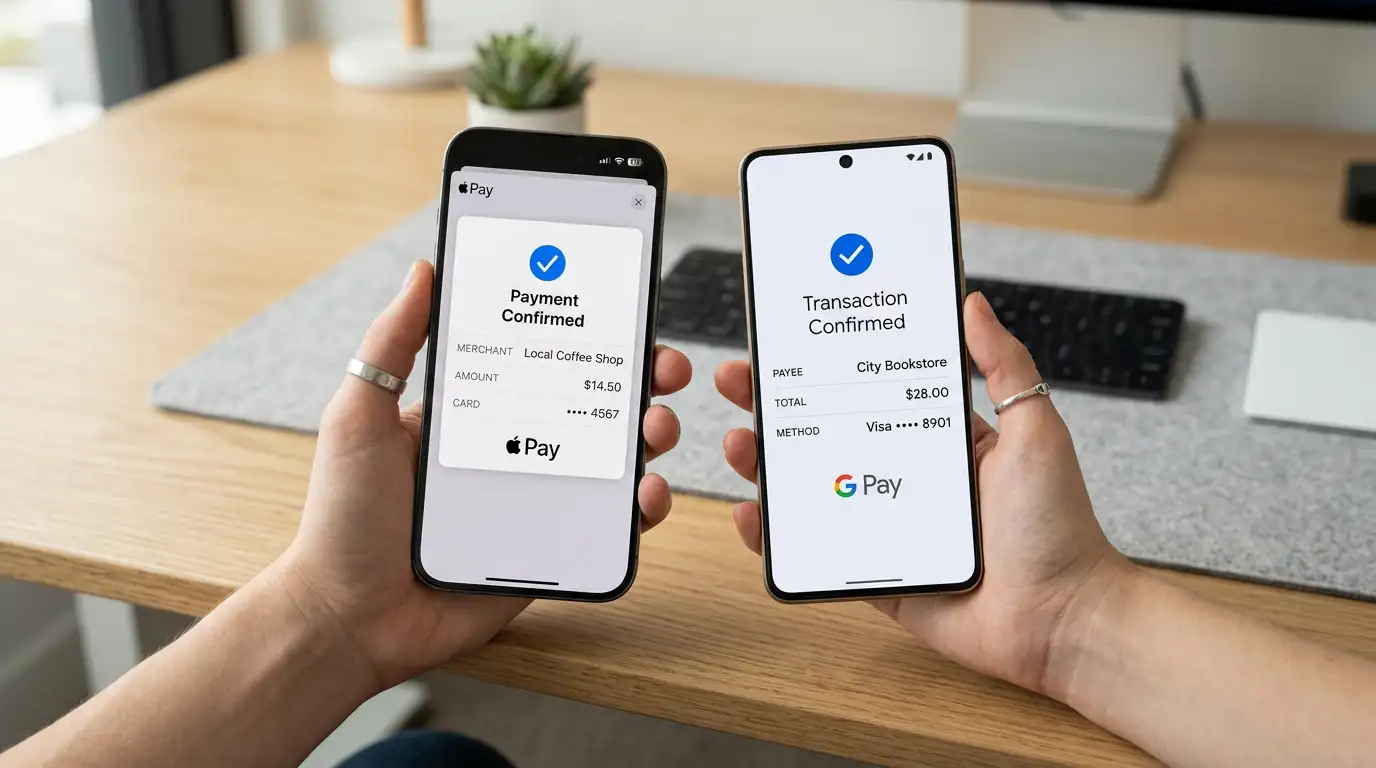
Apple Pay and Google Pay offer one-tap deposit convenience from your iPhone or Android device. No typing card numbers into a casino cashier. Face ID or fingerprint authentication, confirm, done. Deposits are instant where accepted. Withdrawals take 1–3 days where supported, though many casinos accept mobile-wallet deposits but don’t offer mobile-wallet withdrawals.
The catch: mobile wallets are front-ends for your debit card, not separate payment rails. Apple Pay and Google Pay tokenise your linked Visa or Mastercard and process transactions via the same card network. Your bank sees the same MCC 7995 gambling code it would see if you typed the card details manually. Same bank-block risk. Same MCC screening. Same unpredictable approval rates.
Acceptance grew between 2020 and 2026. Around 30% of AU-facing offshore casinos support Apple Pay or Google Pay deposits as of September 2026. Larger operators adopted them to capture mobile-first traffic; smaller sites often skipped the integration. Fees are typically zero from the player’s side, though some casinos add a 2–3% card processing surcharge (same as direct card entry).
Apple Pay
Apple Inc.’s mobile wallet launched in Australia in November 2015. Links to a debit or credit card issued by an Australian bank (all major banks support Apple Pay: CommBank, Westpac, ANZ, NAB, plus 50+ smaller institutions). Accessed via the Wallet app on iPhone, iPad, Apple Watch, or Mac. At the casino cashier, select Apple Pay, authenticate with Face ID or Touch ID, transaction processes via the Visa or Mastercard network of your linked card.
Deposit speed: instant where accepted. Withdrawal speed: 1–3 days where supported (many casinos don’t support Apple Pay withdrawals; you cash out via PayID, crypto, or bank wire instead). Fees: $0 typically; FX conversion fees apply if the casino processes in USD/EUR.
The user experience is seamless when it works. The friction is identical to direct card entry when your bank’s MCC 7995 screening declines the transaction. Apple Pay doesn’t bypass bank blocks — it inherits them from the underlying card. Treat Apple Pay as a convenience layer on top of debit cards, not a workaround.
Google Pay
Google LLC’s mobile wallet launched in Australia in February 2016 (originally as Android Pay, rebranded Google Pay in 2018). Same tokenisation mechanic as Apple Pay: links to your debit or credit card, processes via Visa/Mastercard network, accessed via the Google Pay app on Android devices or web browser (pay.google.com). Supported by all major Australian banks.
Deposit speed: instant. Withdrawal speed: 1–3 days where supported. Fees: typically $0 player-side, subject to FX conversion if applicable. Acceptance mirrors Apple Pay: around 30% of AU-facing offshore casinos as of 2026.
The choice between Apple Pay and Google Pay is device-driven (iOS vs Android), not feature-driven. Both inherit card-network friction, both offer one-tap convenience, both fail when the underlying card gets blocked by MCC 7995 screening.
Why Mobile Wallets Face the Same Bank Blocks as Cards
Apple Pay and Google Pay tokenise your card — they replace your 16-digit card number with a secure token — but the transaction still routes through the Visa or Mastercard network and carries the same Merchant Category Code (7995) that direct card entry does. Your bank’s compliance system sees: “cardholder authorising payment to gambling merchant via Visa network.” Whether that authorisation came from typing the card number or tapping Apple Pay is invisible to the MCC screening algorithm.
The tokenisation improves security (the merchant never sees your real card number), but it doesn’t change the transaction’s classification. If your bank blocks Visa debit gambling transactions, it blocks them regardless of whether you entered the card manually or used Apple Pay. Mobile wallets are a user-interface improvement, not a payment-method workaround.
Deposits vs Withdrawals — Which Methods Work Both Ways?
Seven methods support both deposits and withdrawals. Six are deposit-only. Understanding which is which before you deposit saves the headache of winning and discovering your cashout options don’t include the method you used to load your account.
Bidirectional (deposit + withdrawal):
- PayID
- Visa/Mastercard debit (patchy — many casinos accept card deposits but not card withdrawals)
- Skrill
- Neteller
- MuchBetter
- Cryptocurrency (Bitcoin, Tether, Ethereum, Litecoin, Dogecoin, etc.)
Deposit-only (forced to cash out via different method):
- Neosurf
- Paysafecard
- POLi
- Apple Pay (patchy withdrawal support)
- Google Pay (patchy withdrawal support)
- Boku / phone bill (rarely accepted, deposit-only where available)
The deposit-only trap works like this: you load $500 with Neosurf because it bypasses bank blocks and you don’t have a crypto wallet set up. You win $1,200. The casino doesn’t offer Neosurf withdrawals (structurally impossible — it’s a prepaid voucher). Your cashout options: bank wire (3–5 days, compliance review risk), PayID (if you didn’t want your bank seeing gambling transactions, this defeats the purpose), or crypto (requires setting up a wallet, which you avoided by using Neosurf in the first place). You’re not locked out, but you’re forced to set up a withdrawal method you didn’t plan for.
The fix: plan the exit before the entry. If you deposit with a one-way method, confirm the casino’s withdrawal options before you fund your account. Check that at least one withdrawal method is available and acceptable to you. If not, use a bidirectional method from the start.
Do I need to use the same payment method for deposits and withdrawals?
No, but it simplifies KYC. Casinos prefer matching deposit and withdrawal methods because it reduces fraud risk (harder to launder money when funds enter and exit via the same verified account). When you deposit with PayID and withdraw with PayID, the casino’s compliance team sees a closed loop and processes the payout faster. When you deposit with Neosurf (anonymous voucher) and withdraw to a bank account, the KYC requirement escalates — they need photo ID, proof of address, sometimes proof of funds source. The withdrawal still processes, but it takes longer and requires more documentation.
Using the same method isn’t mandatory. It’s smoother. If your deposit method is one-way or unavailable for withdrawals, pick the next-fastest option the casino supports and upload KYC documents proactively rather than waiting for the withdrawal request to trigger the review.

| Method | Deposits | Withdrawals | Withdrawal Alternative if Deposit-Only |
|---|---|---|---|
| PayID | Yes | Yes | N/A (bidirectional) |
| Visa/Mastercard Debit | Yes | Yes (patchy) | PayID, crypto, e-wallet if card withdrawal unavailable |
| Skrill | Yes | Yes | N/A (bidirectional) |
| Neteller | Yes | Yes | N/A (bidirectional) |
| MuchBetter | Yes | Yes | N/A (bidirectional) |
| PayPal | Yes (rare) | Yes (rare) | Skrill/Neteller if PayPal unavailable |
| Bitcoin/Crypto | Yes | Yes | N/A (bidirectional) |
| Neosurf | Yes | No | PayID, crypto, bank wire |
| Paysafecard | Yes | No | PayID, crypto, bank wire |
| POLi | Yes | No | Bank wire, PayID, crypto |
| Apple Pay | Yes | Patchy | PayID, crypto if mobile-wallet withdrawal unavailable |
| Google Pay | Yes | Patchy | PayID, crypto if mobile-wallet withdrawal unavailable |
How to Choose Your Payment Method — Decision Framework
Fourteen methods are available. Seven work reliably. Your priority determines which one makes sense.
Priority 1: Fastest Withdrawal → PayID, Crypto
PayID: 25 minutes to 4 hours total (casino approval + NPP settlement). Tested withdrawals at Hell Spin (25 min), Lucky7 (35 min), LuckyVibe (under 1 hour). Zero fees. AUD-native. Requires Australian bank account.
Crypto (Tether on Tron): 10–60 minutes for blockchain confirmation once casino approves withdrawal, plus casino processing time (instant to 24 hours). Network fee under $1. No bank involvement. Requires crypto wallet. Use Tether (USDT) instead of Bitcoin to avoid volatility while funds are in transit.
Not recommended for speed: Bank wire (3–5 days), Neosurf/Paysafecard (deposit-only, forces slower withdrawal method), debit cards (1–3 days where supported, many casinos don’t support card withdrawals).
Priority 2: Bypass Bank Blocks → E-wallets, Crypto, Vouchers
Why bank blocks happen: Australian banks screen Merchant Category Code 7995 (gambling). Debit cards, PayID, POLi, Apple Pay, and Google Pay all pass MCC 7995 to your bank. Some transactions clear, others don’t. Unpredictable.
Methods that bypass MCC screening entirely:
- E-wallets (Skrill, Neteller, MuchBetter): Your bank sees payment to a financial-services company (e-wallet provider), not a casino. Load the e-wallet once, use it across multiple casinos. Bidirectional. Fees: 0–2.5% deposit, 2% + 3.99% FX withdrawal (Skrill/Neteller), free AUD withdrawal (MuchBetter).
- Crypto: Bypasses banks entirely. No MCC, no compliance reviews, no declined transactions. Requires wallet setup. Fees: network transaction cost ($0.50–$15 depending on coin). Volatility risk unless using stablecoins.
- Vouchers (Neosurf, Paysafecard): Retailer transaction is gift-card MCC (5947), not gambling MCC. Deposit anonymity. Deposit-only, forces separate withdrawal method. Purchase fee 3.5–15%.
Not bypass methods: PayID, debit cards, POLi, Apple Pay, Google Pay — all visible to your bank as gambling transactions.
Priority 3: Anonymity → Crypto, Vouchers
Crypto: Pseudonymous at blockchain level (addresses aren’t directly linked to identity). Casino still requires KYC for withdrawals (photo ID), but your bank never sees the transaction. Gambling spend doesn’t appear on bank statements.
Vouchers (Neosurf, Paysafecard): Anonymous at deposit stage (buy with cash, redeem PIN). Casino requires KYC for withdrawal (you’re not fully anonymous), but deposit is unlinked to your bank account. Good for keeping gambling transactions off bank records.
Not anonymous: PayID (bank sees full transaction), debit cards (bank sees merchant name and MCC), e-wallets (e-wallet provider has your identity, though bank doesn’t see casino in transaction description), POLi (bank sees merchant).
Priority 4: Lowest Fees → PayID, Debit Cards (Where They Work)
PayID: $0. Zero fees on the NPP rail, zero fees from most casinos. AUD-native (no FX conversion). The only cost is opportunity cost if your bank blocks the transaction and you waste time retrying.
Debit cards: $0 typically, though some casinos add 2–3% card processing fee. FX conversion fee (1–3%) if casino processes in USD/EUR. Fast where accepted, but MCC 7995 screening makes approval unpredictable.
Moderate fees: Crypto ($0.50–$15 network fee depending on coin; Tether on Tron under $1, Bitcoin $5–$15). E-wallets (0–2.5% deposit, 2–6% total withdrawal cost after fees + FX for Skrill/Neteller; MuchBetter free for AUD).
High fees: Neosurf/Paysafecard (3.5–15% purchase fee, no way to avoid it). Bank wire ($10–$30 transfer fee + FX spread, 5–8% total cost on small withdrawals).
Priority 5: Easiest Setup → Debit Cards, PayID
Debit cards: You already have one. No account signup, no KYC beyond what your bank required when issuing the card. Enter card number, CVV, expiry, done. Instant deposits where accepted. The catch: MCC 7995 screening by Australian banks makes approval hit-or-miss.
PayID: If you have an Australian bank account, you already have PayID capability (or can set it up in your banking app in 60 seconds by linking your mobile number). No separate account, no new KYC. Instant deposits, fast withdrawals, zero fees. The easiest bidirectional option.
Moderate setup: E-wallets (Skrill/Neteller/MuchBetter require account signup, photo ID upload, 24–48 hour KYC approval, then load from bank account). Crypto (requires exchange account or wallet setup, understanding of addresses and networks, 10–30 minute learning curve for first-timers).
Hardest setup: None are genuinely hard, but crypto has the steepest learning curve if you’ve never held digital currency before.
Which payment method is fastest for withdrawals at Australian online casinos?
PayID and crypto (Tether or Litecoin) are fastest. PayID: 25 minutes to 4 hours total tested time, zero fees, AUD-native. Crypto: 10–60 minutes blockchain leg plus casino processing (instant to 24 hours), under $1 network fee for Tether on Tron. Both bidirectional, both bypass or minimise withdrawal delays. E-wallets are third (2–24 hours casino-to-e-wallet), debit cards fourth where supported (1–3 days), bank wire last (3–5 days plus compliance reviews).
Understanding the Legal & Regulatory Context
Why does casino banking in Australia feel like navigating a minefield? Because the legal framework bans local operators, offshore sites operate in a grey zone, and Australian banks enforce restrictions that aren’t technically law but feel mandatory in practice. Separating what’s illegal from what’s friction helps make sense of the landscape.
The Interactive Gambling Act 2001 and Why No Local Casinos Exist
The Interactive Gambling Act 2001 (IGA) makes it an offence for operators to provide online casino games to people in Australia. The offence sits with the company offering the service, not the individual playing. No Australian has been prosecuted for signing up at an offshore casino. The law targets supply, not demand.
ACMA (Australian Communications and Media Authority) enforces the IGA. ACMA’s powers: block offshore casino sites at ISP level (it publishes lists of blocked domains in batches of dozens), order payment processors to stop serving unlicensed sites, and fine operators who advertise to Australians. ACMA does not issue casino licenses. No regulator in Australia does. The only licensed online gambling in Australia is sports and race wagering, licensed at state and territory level (Liquor & Gaming NSW, Victorian Gambling and Casino Control Commission, NT Racing Commission, etc.).
The result: every online casino serving Australian players operates from offshore (Curaçao, Malta, Cyprus licenses) and is technically prohibited from doing so under the IGA. Enforcement is patchy. ACMA blocks hundreds of sites, but new ones appear faster than the blocklist updates. Players access offshore casinos without legal consequence, but they’re cut off from local consumer protections. If a casino refuses to pay out, ACMA won’t help — the site wasn’t supposed to serve you in the first place.
The 2024 Credit Card Ban
The Interactive Gambling Amendment (Credit and Other Measures) Act 2023 passed Parliament on 6 December 2023, commenced in full on 11 June 2024. Key provisions:
- Credit cards banned for online wagering (casino, sports, racing, all interactive gambling). Operators who accept credit cards face fines up to hundreds of thousands of dollars. The ban is absolute.
- Digital currency banned for online wagering (the “other measures” part). This covers Bitcoin, Ethereum, stablecoins, all cryptocurrency. Enforcement targets licensed operators, who are all sports/racing bookmakers (no licensed casino operators exist). Offshore casinos continue accepting crypto; Australian players continue using it.
- Debit cards exempted. The amendment explicitly carved out debit cards from the ban. They remain legal for online gambling.
The credit ban removed ambiguity on one category. Crypto and debit cards remain in operational grey zones: debit is legal but subject to bank-level MCC screening, crypto is banned for licensed operators (none of whom offer casino games) but operationally available at offshore sites.
Bank-Side Gambling Blocks (Voluntary, Not Legal)
CommBank, Westpac, ANZ, NAB — all screen MCC 7995 transactions. This is bank policy, not law. The 2024 amendment banned credit cards and crypto for licensed wagering operators. It did not ban debit cards or require banks to block them. Banks screen MCC 7995 as a risk-management and reputational decision.
Why banks block:
- Reputational risk: being seen as facilitating gambling to offshore sites ACMA is trying to block.
- Dispute friction: gambling chargebacks are messy; verifying the legitimacy of a Curaçao processor is hard.
- Voluntary gambling-block tools: CommBank’s “gambling block,” NAB’s spending caps, Westpac’s transaction controls — these features create customer expectations that banks will help manage gambling spend. Screening MCC 7995 aligns with that positioning.
The screening isn’t uniform. Some banks decline all MCC 7995 debit transactions. Others use risk scoring (small frequent transactions might clear; large one-off deposits get reviewed). Regional banks (Bendigo, Bank of Melbourne) show slightly higher approval rates than the big four, but the pattern is anecdotal, not reliable.
The 2024 ban removed credit cards from the table. Debit cards remain legal but operationally unreliable. E-wallets, crypto, and vouchers bypass the screening by keeping casinos out of the bank-transaction chain.
Final Take
Seven methods work reliably for Australian casino players in 2026: PayID, Skrill, Neteller, MuchBetter, Bitcoin, Tether, and Litecoin. Four are deposit-only traps that force separate cashout methods: Neosurf, Paysafecard, POLi, and Boku. Three exist in theory but fail in practice: PayPal (near-zero offshore acceptance), debit cards (legal but MCC-screened into unreliability), and direct bank wires (compliance reviews turn 3-day payouts into 2-week ordeals).
The method you pick depends on which friction you’re solving. Bank blocks? E-wallets or crypto. Fastest cashout? PayID or Tether. Lowest fees? PayID. Anonymity? Crypto or vouchers. Easiest setup? Debit cards or PayID, if your bank allows them.
No single method is “best.” The best method is the one that solves your specific problem without introducing worse problems elsewhere. Neosurf bypasses bank blocks but clips 3.5–15% in purchase fees and forces a separate withdrawal setup. PayID is free and fast but visible to your bank. Crypto bypasses everything but requires learning wallet mechanics and accepting volatility risk (or using stablecoins). Debit cards require zero new accounts but fail 30–50% of the time due to MCC screening.
Plan the exit before the entry. Confirm the casino supports your withdrawal method before depositing. Check fees at both ends — deposit and cashout. Read the casino’s KYC requirements for your chosen method. Upload ID proactively if you’re using a deposit-only method or switching methods between deposit and withdrawal. The withdrawal terms tell you everything the lobby won’t.
Casino Deposit Methods Australia 2026 — Full Comparison
Content created by the «ReelBank» team