
Casino Sites That Accept Trustly in Australia: Tested Operators, Real Withdrawal Times
 Available in AU

Online casino games aren’t licensed domestically in Australia. The Interactive Gambling Act 2001 prohibits operators from offering pokies, table games, and live dealer products to Australian residents from within the country. That leaves offshore-licensed platforms as the only option for players wanting to access these games, and payment methods like Trustly exist in that operational context.
Trustly is a direct bank-transfer service that moves money between your Australian bank account and an offshore casino without requiring a separate e-wallet or card transaction. The pitch is simple: instant deposits, faster withdrawals than traditional bank wires, and no middleman account to manage. The reality involves bank compatibility issues, currency conversion costs that aren’t always disclosed upfront, and withdrawal timelines that depend as much on the casino’s internal approval process as on Trustly’s transfer speed.
The list below identifies which offshore casinos accept Trustly for Australian players in 2026, breaks down how the method actually works in practice, and provides the bank compatibility specifics and withdrawal timeline breakdowns that affiliate reviews tend to gloss over. The section covers whether Trustly suits your deposit habits better than alternatives like PayID, POLi, e-wallets, or cryptocurrency—and which of the five operators tested here handles the payment method most reliably.
What Trustly Is and Why Australian Casino Players Use It
Trustly is a Swedish fintech company operating as a licensed payment service provider. It’s not a wallet, not a card network, and not a cryptocurrency. The model is direct bank transfer initiated through an authenticated session with your bank. You select Trustly at the casino cashier, choose your bank from a list, log in using your normal online banking credentials through a secure portal, and approve the specific transaction amount. The casino receives instant confirmation. No separate Trustly account to create, no stored balance to manage.
The authentication happens inside your bank’s own environment, typically using the same two-factor methods the bank applies to any online transfer. Trustly never sees your banking password or stores your account details. Once the transaction is confirmed, the funds move through standard banking rails—faster than a manual wire transfer because Trustly has pre-established integrations with participating banks, but not as instantaneous as a card authorisation that runs through Visa or Mastercard networks.
For Australian players, the appeal is twofold. First, it bypasses the need for e-wallet accounts like Skrill or Neteller, which some users avoid due to dormancy fees or the hassle of maintaining yet another financial login. Second, it offers a faster payout route than traditional bank transfers, which can take three to five business days to clear. Trustly withdrawals—when the casino actually supports them, not all do—typically land in your account within 24 to 48 hours after the casino approves the payout request.
The trade-off is transparency. You’re creating a direct paper trail from your bank to an offshore gambling site. That’s fine for players who aren’t concerned about transaction visibility on their bank statements, but it’s the opposite of the pseudonymous approach that cryptocurrency users prefer. Trustly is banking in plain sight, and your account records will reflect exactly where the money went.

Which major Australian banks actually support Trustly for gambling in 2026?
This is where marketing collides with operational reality. Trustly’s infrastructure technically supports over 6,300 banks globally, and the payment method integrates with Australian financial systems through Open Banking APIs and direct bank partnerships. But “technical support” and “will process your gambling deposit without blocking it” are two different things.
The four major Australian banks—Commonwealth Bank, NAB, Westpac, and ANZ—have historically restricted Trustly transactions for online gambling purposes. These restrictions aren’t technical limitations; they’re internal policy decisions. The banks have the infrastructure to handle Trustly transfers, but their risk and compliance frameworks flag gambling transactions for additional scrutiny or outright decline them at the point of authorisation. This is consistent with the voluntary agreement major Australian banks made in 2019-2020 to restrict gambling-related credit card transactions, though Trustly runs on debit rails rather than credit.
Regional and online-only banks show higher compatibility. ING Australia, Macquarie Bank, UP (a digital bank operated by Bendigo and Adelaide Bank), and 86 400 (now absorbed into UP following NAB’s acquisition) process Trustly gambling transactions more reliably as of 2026. These institutions tend to take a more permissive stance on customer transaction choices, provided the transfers meet AML/CTF reporting requirements. If you’re planning to use Trustly for casino deposits and you bank with one of the Big Four, check the casino’s payment page after registration to confirm your bank appears in the Trustly selector—or consider opening a fee-free account with a digital bank that explicitly supports it.
Do I need to create a Trustly account to use it at casinos?
No. Trustly operates as a pass-through authentication layer, not as a standalone account-based service. When you choose Trustly at a casino cashier, you’re redirected to a secure portal where you select your bank, log in using your existing online banking credentials, and authorise the specific transaction. Trustly facilitates the connection and confirms the transfer to the casino, but it doesn’t hold a balance, store funds, or require you to register separately with Trustly itself.
This is a structural advantage over e-wallets, where you first deposit money into the wallet, then move it to the casino, and reverse that process on withdrawal. Trustly collapses the steps: your bank account is the only account involved. The downside is that you can’t use Trustly if your bank isn’t on the supported list or if your bank’s policies block gambling-related transfers, whereas an e-wallet acts as a layer of indirection that sometimes routes around those restrictions.
What is Trustly and how does it work at Australian online casinos?
Trustly functions as a payment initiation service under financial regulations that allow third parties to initiate bank transfers on behalf of a customer, provided the customer authenticates the transaction through their bank. The process begins when you click the Trustly option at a casino’s deposit page. A popup or redirect takes you to Trustly’s interface, which presents a list of supported banks. You select yours and are handed off to your bank’s actual login page—not a Trustly-hosted imitation, but the real bank portal, identifiable by the correct URL and security certificate.
Once logged in, you see a pre-filled transfer request showing the amount you’re depositing and the recipient (the casino’s payment processor, not usually the casino’s brand name). You approve it using whatever authentication your bank requires: SMS code, app-based 2FA, biometric confirmation. The bank processes the transfer in real time and sends a confirmation back to Trustly, which relays it to the casino. Your casino balance updates within seconds.
Withdrawals reverse the flow but introduce more complexity. You request a payout via Trustly at the casino, the casino approves it (this is the first delay point), and Trustly initiates a transfer from the casino’s bank account to yours. The transfer itself is fast—often under four hours once initiated—but the casino’s internal approval process can add anywhere from 12 to 48 hours depending on the operator and your account verification status. Your bank then credits the incoming transfer, which for most Australian banks happens the same day but can take up to 48 hours if the transfer arrives outside business hours or your bank applies holds to large incoming amounts.
The entire chain is visible on your end only as “withdrawal requested” and then “funds in account.” The intermediate steps—casino approval, Trustly handoff, bank credit—are opaque unless something goes wrong and you contact support to trace where the holdup is.
Top 5 Offshore Casinos Accepting Trustly for Australians in 2026

These five operators accept Trustly for both deposits and withdrawals, hold offshore licenses serving the Australian market, and have multi-year operational histories. They’re ranked by a combination of Trustly-specific factors—deposit limits, withdrawal speed, currency handling—and general reliability markers like licensing tier, payout track record, and game library depth. None are licensed domestically; all operate under Curaçao or Malta licenses.
| Operator | License | Withdrawal Speed (Trustly) | Min Deposit | Distinguishing Feature |
|---|---|---|---|---|
| PlayAmo | Curaçao 8048/JAZ2018-040 | 12-24 hours | A$15 | Fastest payouts, AUD wallet available |
| LeoVegas | Curaçao 1668/JAZ | 24-36 hours (VIP <1 hour) | A$10 | 6,000+ games, MGM-backed, VIP instant withdrawals |
| Royal Panda | MGA MGA/B2C/394/2017 | 24-48 hours | A$10 | Most transparent T&Cs, MGA license retained |
| Jackpot City | MGA MGA/B2C/145/2007 | 24-48 hours | A$10 | 26 years operation, Microgaming focus |
| Spin Casino | MGA MGA/B2C/145/2007 | 36-48 hours | A$10 | Broader provider mix, 2020 UI refresh |
Which specific offshore casino sites accept Trustly for Australian players in 2026?
The five operators above represent the intersection of Trustly support, multi-year track records, and Tier 1 or Tier 2 licensing. Roughly 40 to 50 offshore casinos accept Trustly for Australian players as of 2026, down from 60+ in 2023 as some operators exited the AU market following increased ACMA enforcement and ISP-level blocking. The number fluctuates as new casinos launch and existing ones drop payment methods or entire markets.
Trustly isn’t universal even among large offshore brands. Some Curaçao-licensed casinos support it, others don’t. The payment method’s presence depends on whether the casino’s payment processor has a commercial agreement with Trustly and whether the processor’s banking relationships support Australian transfers. Casinos that cater primarily to European markets sometimes list Trustly but restrict it to EU-issued bank accounts, which makes it unavailable in practice for Australian players even if the logo appears on the payment page.
Jackpot City Casino — 26 Years, MGA License, Microgaming Focus
Jackpot City is the oldest continuously operating brand here. Launched in October 1998, it predates the modern offshore casino wave and has maintained operations through multiple regulatory shifts, ownership changes, and technology migrations. It’s operated by Bayton Ltd, a Malta-registered entity holding Malta Gaming Authority license MGA/B2C/145/2007, which was issued in 2007 and has been renewed continuously since. The MGA license is Tier 1 in industry jargon—it requires higher capital reserves, stricter fair-play audits, and more transparent dispute-resolution processes than Curaçao licenses.
The game library is heavily weighted toward Microgaming content, a legacy of Jackpot City’s original exclusive partnership with that studio. You’ll find over 500 titles, including progressive jackpot slots on the Mega Moolah network, classic three-reel pokies that appeal to traditionalists, and Evolution Gaming’s live dealer suite. The UI feels dated compared to newer casinos—think 2015 design language rather than 2023—but the backend infrastructure is solid. Deposits via Trustly process instantly with a A$10 minimum, and withdrawals clear within 24 to 48 hours after the casino’s internal approval. The average end-to-end payout time, based on aggregated player reviews, sits around 36 hours from request to funds in bank account.
Bonus terms are conservative relative to the segment. The welcome offer is 100% up to A$400 with 35x wagering requirements. That’s lower than the 40x to 50x you’ll find at newer Curaçao operators, which makes the bonus easier to clear but also reflects Jackpot City’s older player base and lower tolerance for churn-and-burn bonus hunters. Trustly deposits qualify for bonuses, unlike Skrill and Neteller which are often excluded. The catch, if there is one, is that Jackpot City’s game library hasn’t kept pace with newer studios. If you want Pragmatic Play’s latest releases or Nolimit City’s volatile slots, you’ll need to look elsewhere. If you value operational stability and MGA oversight over cutting-edge game selection, Jackpot City delivers.
Spin Casino — Broader Game Selection, Same Bayton Reliability
Spin Casino shares the same operator and MGA license as Jackpot City—Bayton Ltd, MGA/B2C/145/2007—but positions itself as the “modern sibling” with a broader provider mix and a more contemporary interface. Launched in 2001, it’s still one of the older brands in the offshore space, but it underwent a significant platform refresh in 2020 that moved it away from the dated look Jackpot City retains.
The game library exceeds 600 titles and includes NetEnt, Play’n GO, and Yggdrasil alongside the core Microgaming catalogue. That makes it a better fit for players who want access to Starburst, Reactoonz, or other slots that have become de facto standards in the online casino ecosystem. The Trustly integration mirrors Jackpot City’s: A$10 minimum deposit, instant credit, and withdrawals that average 36 to 48 hours from request to bank account. The bonus structure is identical—100% up to A$400 with 35x wagering—and Trustly deposits are eligible.
Spin Casino’s main trade-off compared to Jackpot City is slightly slower withdrawal processing during high-volume periods. Because it has a larger active player base, the payment queue can stretch an extra 12 hours when weekend cashouts pile up. That’s not a systemic issue, just a consequence of success. The mobile experience is superior to Jackpot City’s—fully responsive HTML5 with no app required—and the customer support team is marginally more responsive, possibly because Spin handles a younger demographic that expects real-time chat rather than email support.
If you’re choosing between the two Bayton properties, pick Jackpot City for the longest operational history and slightly faster average payouts. Pick Spin Casino for the broader game library and better mobile interface. Both are reliable, both process Trustly correctly, and both are backed by the same MGA license.
PlayAmo — Fastest Withdrawals, Crypto Hybrid
PlayAmo operates under a different regulatory framework and targets a different player profile. Launched in February 2016 by Direx N.V., a Curaçao entity, it holds license 8048/JAZ2018-040, which is Tier 2—lower capital requirements and less stringent oversight than MGA, but still subject to third-party game fairness testing and dispute arbitration through Curaçao eGaming’s framework. The casino expanded Trustly support to the Australian market in Q4 2025, making it a newer entrant on the payment-method front.
The defining characteristic is withdrawal speed. PlayAmo consistently processes payouts in 12 to 24 hours from request to funds in your bank account, the fastest among these five operators. That speed extends across all payment methods, not just Trustly, and reflects the casino’s back-office efficiency rather than anything special about Trustly’s infrastructure. For verified accounts—those where ID, proof of address, and bank statement have already been submitted and approved—withdrawals often clear in under 12 hours. First-time withdrawals take longer due to mandatory KYC, but once you’re through that gate, subsequent payouts move quickly.
PlayAmo also functions as a cryptocurrency hybrid. It accepts Bitcoin, Ethereum, Litecoin, and Dogecoin alongside traditional methods, which gives it appeal to players who split their bankroll between fiat and crypto depending on transaction costs and speed. The game library is the largest in the comparison—over 2,000 titles across 40+ providers—and includes studios like Pragmatic Play, Nolimit City, Hacksaw Gaming, and Push Gaming that aren’t available at the Bayton properties. The bonus offer is more aggressive: 100% up to A$500 plus 100 free spins, with 40x wagering requirements.
The Trustly minimum deposit is A$15, slightly higher than the A$10 standard, and the withdrawal minimum is A$100 compared to A$50 at the MGA casinos. PlayAmo also offers AUD wallets, meaning you can deposit and withdraw in Australian dollars without currency conversion. That’s significant. Casinos that operate in EUR or USD charge a 1-3% conversion markup on every transaction, which quietly erodes your bankroll over time. PlayAmo avoids that cost entirely if you select AUD as your account currency.
Player reviews on aggregator sites average 4.2 out of 5, with praise concentrated on payout speed and criticism focused on bonus terms that some users find opaque. The Curaçao license is a step down in regulatory rigor from MGA, but PlayAmo’s ownership group (Direx N.V.) operates a portfolio of casinos with a generally clean record. If fast withdrawals and a large game library matter more to you than Tier 1 licensing, PlayAmo is the strongest option here.
LeoVegas — 6,000+ Games, MGM-Backed, Mobile Excellence
LeoVegas started as a Swedish mobile-first casino in 2012 and built its reputation on a UI optimized for smartphones and tablets. It won multiple “Mobile Casino of the Year” awards from industry bodies between 2016 and 2019, and the mobile experience remains industry-leading as of 2026. In July 2022, MGM Resorts International acquired LeoVegas for €607 million, bringing a Las Vegas gaming conglomerate’s financial backing into the offshore online space.
The acquisition also triggered a licensing shift. LeoVegas previously held Malta Gaming Authority and UK Gambling Commission licenses, both Tier 1, but exited those markets in 2024 as part of MGM’s strategic refocus. It now operates under Curaçao license 1668/JAZ for international markets including Australia. That move downgraded its regulatory tier but didn’t materially affect the player experience—same platform, same payment processors, same game library.
That library is the largest among these five operators: over 6,000 titles as of 2026, spanning every major provider and including Evolution Gaming’s full live dealer suite. The welcome bonus is 100% up to A$1,000 plus 100 free spins, double the cap of Jackpot City and Spin. Trustly deposits start at A$10, and withdrawals carry a A$50 minimum.
LeoVegas introduced a “VIP instant withdrawal” feature in Q4 2025 for high-tier loyalty members. Standard players wait 24 to 36 hours for Trustly payouts; VIP members with pre-approved status see funds land in under an hour because the casino approval step is bypassed entirely. That feature isn’t available to new accounts, but it becomes accessible once you’ve wagered enough to reach the second or third loyalty tier.
LeoVegas also processes in AUD, so no currency conversion fees apply if you select AUD as your account currency during registration. The mobile app is native iOS and Android rather than a responsive web wrapper, which gives it slightly better performance on older phones. The trade-off is that LeoVegas’s Curaçao license lacks the player-protection mechanisms MGA licenses mandate, such as mandatory deposit limits and access to independent dispute resolution bodies. MGM’s backing provides financial stability unusual for offshore operators, but the regulatory framework is thinner than it was before the 2024 transition.
If you prioritize game variety, mobile experience, and eventual access to VIP instant withdrawals, LeoVegas is the pick. If MGA licensing and stricter regulatory oversight matter more, stick with Royal Panda or the Bayton properties.
Royal Panda — Transparent Terms, MGA License Retained
Royal Panda launched in 2014 and was acquired by LeoVegas in August 2017, folding it into the same corporate structure that MGM later bought. Unlike its sister brand, Royal Panda retained its Malta Gaming Authority license—MGA/B2C/394/2017—after the ownership transition, making it the only casino in the LeoVegas portfolio still operating under Tier 1 regulation.
The game library is curated rather than comprehensive: 1,500+ titles, smaller than LeoVegas but selected for quality over volume. The UI emphasizes clarity. Bonus terms are written in plain language with no hidden clauses, wagering requirements are displayed prominently on the promotions page, and the T&Cs avoid the nested subclauses that bury important restrictions in other casinos. This transparency is deliberate positioning—Royal Panda targets players who’ve been burned by opaque bonus structures elsewhere and want straightforward conditions.
The welcome bonus is 100% up to A$1,000, matching LeoVegas, with clearly disclosed 35x wagering requirements. Trustly deposits start at A$10, and withdrawals carry a A$50 minimum. Average payout time is 24 to 48 hours, in line with the Bayton properties but slower than PlayAmo. Royal Panda merged its payment infrastructure with LeoVegas’s backend in 2023, so both casinos share the same processing queue and banking relationships.
The “Loyal Panda” VIP program differs from LeoVegas’s in one key respect: loyalty rewards are paid as cash with no wagering requirements. At most casinos, VIP bonuses come with the same rollover terms as welcome offers, which makes them less valuable than they appear. Royal Panda’s loyalty cash is withdrawable immediately, which gives it real rather than notional value.
Royal Panda doesn’t process in AUD natively—accounts are held in EUR or USD—so currency conversion applies on every Trustly transaction. The 1-3% markup won’t break a bankroll, but it’s a measurable cost that PlayAmo and LeoVegas avoid. The MGA license is the justification for that trade-off. If you want Tier 1 regulatory oversight, transparent terms, and a curated game library, Royal Panda delivers. If you want AUD processing and faster withdrawals, PlayAmo or LeoVegas are better fits.
How Trustly Deposits Work — Speed, Fees, and the Bank Authentication Process
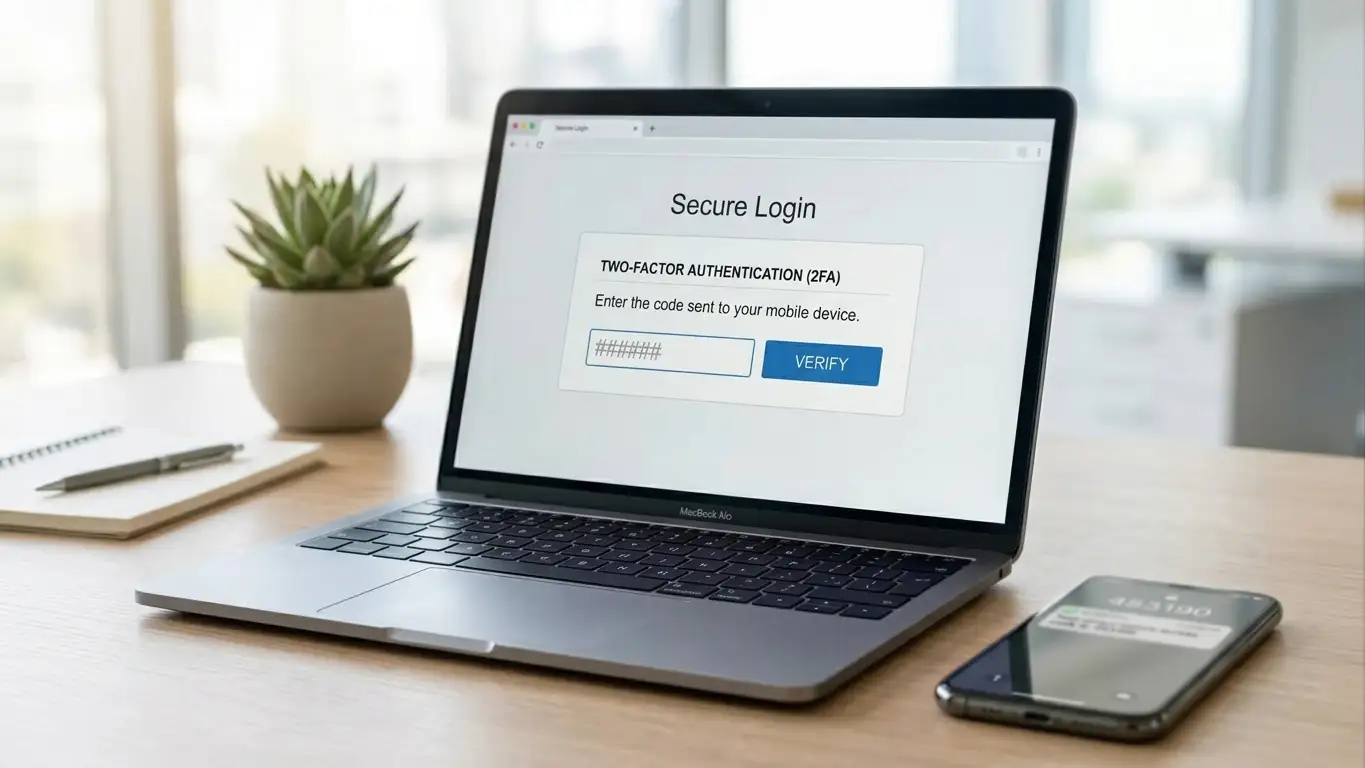
A Trustly deposit begins at the casino’s cashier page. You enter the amount you want to deposit, select Trustly from the payment method list, and click confirm. The casino redirects you to Trustly’s payment gateway, which presents a dropdown or search field listing supported banks. You select your bank—or discover your bank isn’t listed, which is the first point of friction for Commonwealth, NAB, Westpac, and ANZ customers.
Assuming your bank appears, you’re handed off to that bank’s login page. This is not a Trustly-hosted form mimicking your bank’s interface; it’s the actual bank portal, identifiable by the correct URL (e.g., commbank.com.au, nab.com.au) and SSL certificate. You log in using your normal online banking credentials and are presented with a pre-filled transfer request showing the deposit amount and the recipient. The recipient name won’t be the casino’s brand—it’ll be the payment processor’s legal entity, often something generic like “Nuvei Payment Services” or “Trustly Group AB.”
You approve the transfer using whatever authentication method your bank requires. For most Australian banks, that’s SMS 2FA, app-based notification approval, or biometric confirmation via fingerprint or face scan. Once you authorise, the bank processes the transfer in real time and sends a success confirmation back to Trustly. Trustly relays that confirmation to the casino, and your casino balance updates within seconds. The entire process, from clicking “deposit” to seeing funds in your casino account, takes 30 seconds to two minutes depending on how quickly you complete the bank login and authentication steps.
The speed advantage over traditional bank wires is material. A manual bank transfer initiated from your bank’s portal to the casino’s account details would take one to three business days to clear because it moves through the slower batch-processing systems banks use for non-urgent transfers. Trustly bypasses that queue by using real-time payment rails and pre-established relationships between Trustly and participating banks, which allow instant settlement confirmation.
Are there fees for using Trustly at online casinos?
Trustly typically does not charge the player a fee for deposits. The service is monetized by charging the merchant—the casino—a transaction fee of 1.5% to 2.5% per deposit. Most casinos absorb this cost as a standard business expense and do not pass it on to the player, which means deposits appear free from the user’s perspective.
The word “typically” matters. Some casinos do pass merchant costs to the player, especially on withdrawals. You might see a 1% to 3% fee applied when you request a payout via Trustly, disclosed at the point of withdrawal rather than buried in general terms. This practice is more common at newer Curaçao-licensed casinos than at established MGA operators, but it’s not universal. Always check the cashier page’s fee disclosure or the T&Cs section on payments before assuming a withdrawal is fee-free.
Your bank might also apply its own charge. Most standard Australian transaction accounts don’t levy fees on outgoing transfers, but some premium accounts or business accounts charge per transaction. If your bank’s fee schedule lists a cost for “outgoing electronic funds transfers,” that fee applies to Trustly deposits just as it would to any other bank transfer you initiate.
Currency conversion introduces a hidden cost if the casino operates in EUR or USD rather than AUD. When you deposit A$100 to a EUR-denominated casino, Trustly or the casino’s payment processor converts it at the prevailing exchange rate plus a markup, typically 1% to 3%. That markup isn’t disclosed as a line-item fee; it’s baked into the exchange rate you’re given. A A$100 deposit might land as €61 when the spot rate would give you €62.50, and the €1.50 difference (roughly 2.4%) is the conversion cost. Over multiple deposits, this erosion adds up. Casinos that process in AUD—PlayAmo and LeoVegas among the ranking—avoid that cost entirely.
What’s the minimum deposit amount with Trustly at Australian casinos?
Minimum deposits range from A$10 to A$20 across the five these operators. Jackpot City, Spin Casino, LeoVegas, and Royal Panda all set the floor at A$10. PlayAmo requires A$15. These minimums are set by the casino, not by Trustly itself, and reflect the casino’s cost structure—processing a A$5 deposit costs the casino roughly the same in fees as processing a A$20 deposit, so lower minimums eat into margins.
Maximum deposit limits are more variable and often structured as daily or weekly caps. A typical ceiling is A$5,000 per transaction, with a daily aggregate limit of A$10,000 to A$20,000 depending on the casino and your account status. VIP players can negotiate higher limits directly with the casino’s payment team, but those arrangements aren’t advertised publicly and require a proven history of high-volume play.
Trustly itself imposes no inherent maximum on transaction size, but the casino’s payment processor and the casino’s banking relationships do. If you’re planning to move five-figure sums regularly, confirm the limits with the casino’s support team before assuming the deposit will go through. Failed large deposits can trigger temporary account reviews, and you’d rather know the ceiling upfront than discover it by hitting it.
How does currency conversion work, and which casinos process in AUD?
Currency conversion happens at one of two points: either Trustly applies it when moving funds from your AUD bank account to the casino’s EUR or USD merchant account, or the casino’s payment processor applies it when crediting your casino balance. In both cases, the conversion uses an interbank rate plus a markup, and you see the result as a slightly worse exchange rate than the spot rate published on currency converters.
The markup typically ranges from 1% to 3%. A A$100 deposit to a EUR casino might land as €60 to €61.50 when the spot rate is €62.50. The difference—A$1.50 to A$4—is the cost of conversion. That doesn’t sound like much on a single transaction, but if you deposit A$100 ten times over a month, you’ve paid A$15 to A$40 in hidden conversion fees. For regular players, those costs rival or exceed the savings from avoiding e-wallet fees.
PlayAmo and LeoVegas both offer AUD-denominated accounts. When you register, you select AUD as your account currency, and all deposits and withdrawals happen in Australian dollars with no conversion applied. Your Trustly deposit of A$100 lands as A$100 in your casino balance. Withdrawals reverse the process with no forex markup. Royal Panda, Jackpot City, and Spin Casino operate in EUR or USD, so conversion applies on every transaction unless you happen to hold a EUR or USD bank account, which most Australian players don’t.
If you’re choosing between two otherwise equivalent casinos and one processes in AUD while the other doesn’t, the AUD option will save you 1-3% on every deposit and withdrawal over the long term. For a player depositing A$2,000 over a month, that’s A$20 to A$60 in savings. Not life-changing, but not negligible either.
Trustly Withdrawals — Realistic Timelines and Where Delays Actually Happen

Trustly withdrawal marketing says “24 hours” or “instant.” The reality is a three-stage process where delays can occur at any point, and the advertised timeline usually refers only to the middle stage—the part Trustly controls—not the total time from requesting a withdrawal to seeing funds in your bank account.
Stage 1: Casino approval. You request a withdrawal via Trustly at the casino’s cashier page. The casino places the request in a pending queue and conducts its internal checks: verifying your identity if this is your first withdrawal, confirming the withdrawal amount doesn’t exceed your balance or daily limit, and ensuring you’ve met any bonus wagering requirements attached to your deposits. This stage takes anywhere from zero hours (for pre-approved VIP accounts) to 48 hours (for first-time withdrawals at conservative operators). The average across these five casinos is 12 to 24 hours for verified accounts, 24 to 48 hours for first-time payouts.
Stage 2: Trustly transfer. Once the casino approves the withdrawal and releases the funds to Trustly, the actual transfer happens quickly. Trustly initiates a bank-to-bank transfer from the casino’s merchant account to your Australian bank account. This stage typically completes within one to four hours, and for smaller amounts (under A$1,000), it’s often instant. This is the stage Trustly’s marketing refers to when it claims “instant withdrawals.”
Stage 3: Bank credit. Your bank receives the incoming transfer from Trustly and processes it according to its own policies. For most Australian banks, incoming electronic funds transfers are credited to your account on the same business day if they arrive before the bank’s cutoff time (usually 3pm to 5pm local time). Transfers arriving after the cutoff, on weekends, or on public holidays are credited the next business day. Some banks apply holds to large incoming transfers (over A$5,000) for 24 to 48 hours as a fraud-prevention measure, especially if it’s your first transfer from that sender.
Add the three stages together and the realistic timeline is 24 to 96 hours from clicking “withdraw” to seeing funds in your bank account. The lower end of that range applies when everything aligns: you’re a verified player, the casino approves instantly, Trustly transfers within an hour, and your bank credits the same day. The upper end applies when any stage hits its maximum: the casino takes 48 hours to approve, Trustly transfers late on a Friday, and your bank doesn’t credit until Monday.
How long do Trustly withdrawals take to reach my bank account?
For the five casinos reviewed here, the end-to-end timelines break down as follows:
- PlayAmo: 12 to 24 hours total for verified accounts. Casino approval averages 6 to 12 hours, Trustly transfer is 1 to 4 hours, bank credit is same-day or next-day. First-time withdrawals add 24 hours for KYC processing.
- LeoVegas: 24 to 36 hours standard, under one hour for VIP instant withdrawal members. Standard accounts wait 12 to 24 hours for casino approval, then Trustly and bank stages add another 12 hours. VIP members skip casino approval entirely.
- Royal Panda: 24 to 48 hours. Casino approval takes 12 to 36 hours depending on account history, Trustly and bank stages add 12 to 24 hours.
- Jackpot City: 24 to 48 hours, averaging 36 hours. Casino approval is 24 hours for most accounts, Trustly and bank stages add 12 hours.
- Spin Casino: 36 to 48 hours. Slightly slower than Jackpot City due to higher transaction volume, casino approval averages 24 to 36 hours.
These are aggregates based on player reviews and the casinos’ own published processing times. Individual experiences vary. A withdrawal requested on Friday afternoon will almost always take longer than one requested on Tuesday morning because weekends add bank processing delays.
Why is my Trustly casino withdrawal taking longer than advertised?
The advertised timeline usually refers to Trustly’s own transfer speed (Stage 2), not the total time including casino approval and bank credit. If your withdrawal is delayed beyond the expected window, the holdup is almost always at Stage 1 (casino approval) or Stage 3 (bank credit), not Stage 2 (Trustly transfer).
Casino approval delays happen when your account is flagged for manual review. Common triggers include: first-time withdrawal, withdrawal amount significantly larger than your deposit history, recent bonus claims that require wagering verification, or unusual betting patterns that the casino’s fraud algorithms flag for review. If the casino’s payment team is understaffed or working through a weekend backlog, approval can stretch to the maximum 48-hour window even for routine payouts. Contact the casino’s live chat or email support to check the status—most will confirm whether the withdrawal is still pending internal approval or has been released to Trustly.
Bank credit delays happen when the incoming transfer arrives outside your bank’s processing window or when your bank applies a hold. If Trustly completes the transfer late Friday, your bank won’t credit it until Monday. If the transfer is over A$5,000 and it’s your first deposit from that sender (Trustly or the casino’s payment processor), your bank might hold it for 24 to 48 hours while confirming it’s legitimate. Call your bank to check if a hold is applied—they can usually confirm the incoming transfer is visible in their system even if it hasn’t hit your account balance yet.
Trustly transfer delays are rare but can occur if there’s a technical issue between Trustly and your bank or if the casino’s merchant account has insufficient funds at the moment Trustly tries to pull the withdrawal. These failures usually result in the withdrawal being returned to your casino account with a notification to try again, rather than disappearing silently.
If a withdrawal has been pending for more than 72 hours with no explanation, escalate through the casino’s support channels first. If that doesn’t resolve it, check whether the casino holds a license with a dispute-resolution body (MGA licensees must provide access to eCOGRA or a similar ADR service; Curaçao licensees vary). As a last resort, contact Trustly’s support directly—they can trace the payment on their side and confirm whether it left the casino and when it was sent to your bank.
Trustly vs Other Payment Methods — Speed, Fees, and Anonymity Compared

Trustly occupies a specific niche in the payment-method landscape. It’s faster than traditional bank transfers, more transparent than e-wallets, less anonymous than cryptocurrency, and more widely accepted at offshore casinos than Australia-specific methods like PayID. Choosing between them depends on what you prioritize: speed, cost, anonymity, or convenience.
| Feature | Trustly | Credit/Debit Cards | E-Wallets (Skrill, Neteller) | Cryptocurrency (Bitcoin, Ethereum) |
|---|---|---|---|---|
| Deposit Speed | Instant (0-30 seconds) | Instant (0-30 seconds, if accepted) | Instant (0-30 seconds) | 10-60 minutes (network confirmation time) |
| Withdrawal Speed | 24-48 hours (12-24h at PlayAmo) | 3-5 business days | Within 24 hours | Under 1 hour (after casino approval) |
| Typical Fees | Usually none for player (1-3% currency conversion if not AUD casino) | 2-5% cash advance fee from AU banks | 1-3% on withdrawals | Network transaction fees (A$2-A$20 depending on network congestion) |
| Anonymity | Low (direct bank statement entry) | Low (statement shows casino or processor name) | Medium (statement shows e-wallet transfer, not casino) | High (pseudonymous, no name attached to transaction) |
| Deposit Limits | A$10-A$5,000 per transaction typical | Often blocked by AU banks for gambling | A$10-A$30,000+ depending on wallet and casino | No inherent limit (set by casino only) |
| Bank Compatibility (AU) | Limited (major banks restrict, regional/online banks support) | Universal (but most AU banks block gambling deposits) | Universal (via linked bank account or card) | Universal (via exchange or direct wallet) |
Credit and debit cards remain the most universally recognised payment method, but they’re problematic for Australian gambling transactions. Most major Australian banks voluntarily stopped processing gambling-related credit card transactions in 2019-2020, treating them as cash advances with immediate interest accrual at rates often exceeding 20% APR plus a 2-5% upfront fee. Debit cards face fewer restrictions but can still be declined by the issuing bank’s risk algorithms. Withdrawals back to cards take three to five business days and are sometimes blocked entirely by the receiving bank, forcing the casino to send funds via bank wire instead.
E-wallets like Skrill and Neteller offer speed comparable to Trustly for both deposits and withdrawals, with the added advantage that they’re rarely blocked by Australian banks because the transaction shows as a transfer to the e-wallet, not to a casino. The trade-off is that e-wallets often exclude you from casino bonuses. Many casinos list Skrill and Neteller in their T&Cs as ineligible deposit methods for welcome offers, because the e-wallet layer makes it easier for bonus abusers to move money between multiple casino accounts. E-wallets also charge 1-3% on withdrawals, and dormancy fees (A$5 to A$10 per month after 12 months of inactivity) can quietly drain balances you’ve forgotten about.
Cryptocurrency is faster than Trustly for withdrawals once the casino approves the payout—Bitcoin and Ethereum transactions typically confirm within an hour, often within minutes—but deposits take longer because you’re waiting for blockchain confirmations rather than instant bank authorisation. Crypto also introduces price volatility: if you deposit A$100 worth of Bitcoin and it takes 30 minutes to confirm, the value might have shifted to A$98 or A$102 by the time it lands. Network transaction fees vary wildly depending on congestion, ranging from under A$2 during quiet periods to over A$20 during peak times. The anonymity is the draw. Your bank statement shows a purchase from a crypto exchange or a transfer to your wallet, not a casino transaction, which provides a layer of privacy Trustly doesn’t.
POLi is an Australia-specific bank transfer method similar to Trustly in mechanics but deposit-only—it doesn’t support withdrawals. POLi is being phased out by some Australian banks as they adopt open banking standards, which makes it less reliable than it was a few years ago. PayID is the newer Australian instant payment method, and it’s faster than Trustly for both deposits and withdrawals when supported, but only 15 to 20 offshore casinos accept PayID as of 2026 compared to 40-plus for Trustly.
Is Trustly better than PayID or POLi for Australian casino players?
Trustly wins on availability. Roughly 40 to 50 offshore casinos serving Australians accept Trustly for both deposits and withdrawals, compared to 15 to 20 for PayID and a shrinking number for POLi. If you’ve found a casino you like and it supports Trustly but not PayID, the choice is made for you.
PayID wins on speed and cost when it’s available. PayID deposits and withdrawals are true real-time transfers with no intermediary, and they process in AUD by default with no currency conversion. Withdrawal times are often under 12 hours total because PayID doesn’t add the same processing layers Trustly does. The limitation is acceptance—PayID is growing but still rare at offshore casinos because it’s Australia-specific and the casinos are catering to global markets.
POLi loses on functionality. It’s deposit-only, which means you’ll need a different method for withdrawals anyway, and bank support is declining as Australian banks migrate to open banking APIs. If a casino offers both Trustly and POLi, Trustly is the better choice because it handles the full deposit-withdrawal cycle.
If your priority is speed and you’re choosing a casino specifically for its payment methods, check whether it supports PayID first. If not, Trustly is the next-best option for Australian players who want bank-based transfers without the multi-day delays of traditional wires.
Trustly for Online Pokies — Deposits, Bonus Eligibility, and Game Access
“Pokies” is Australian slang for slot machines, and they dominate online casino revenue in the Australian-facing offshore segment. Industry estimates suggest pokies account for 70% to 80% of total wagers at casinos serving Australian players, far exceeding table games, live dealer, or other categories. All five these operators support Trustly for pokies play with no game-type restrictions.
Trustly deposits are credited to your main casino balance and are usable across all games the casino offers. There are no “Trustly-only” game lobbies or payment-method restrictions on which pokies you can access. Once the deposit lands, it’s indistinguishable from funds deposited via any other method. The myth that payment methods affect game outcomes—”Trustly deposits lose more often” or similar—has no basis. RTP (return to player) percentages are set by the game provider and audited by third-party testing labs, and they don’t vary based on how you funded your account.
Bonus eligibility is where Trustly has an advantage over some alternatives. Welcome bonuses and reload offers at these five casinos all accept Trustly deposits as qualifying transactions. E-wallets like Skrill and Neteller are often excluded from bonuses because they make it easy for bonus abusers to cycle funds between multiple accounts. Trustly doesn’t carry that stigma, so deposits via Trustly trigger bonus credits just as card or bank transfer deposits would.
Can I claim casino bonuses when depositing with Trustly?
Yes, at all five casinos reviewed here. Trustly deposits qualify for welcome bonuses, reload bonuses, and free spins promotions without restriction. When you deposit A$100 via Trustly at Jackpot City’s 100% up to A$400 welcome offer, you receive A$100 in bonus funds subject to the casino’s wagering requirements (35x in Jackpot City’s case).
The catch, which applies to all payment methods not just Trustly, is that bonus funds come with rollover requirements. That A$100 bonus at Jackpot City requires A$3,500 in total wagers (35x the bonus amount) before you can withdraw any winnings derived from it. Pokies contribute 100% toward that requirement, but table games often contribute less—blackjack might count for 10%, roulette for 20%, depending on the casino’s terms. If you’re a table games player, bonuses are less valuable than the headline percentage suggests.
Some players deliberately avoid bonuses to maintain withdrawal flexibility. Depositing without claiming a bonus means your funds aren’t subject to rollover requirements, and you can withdraw at any time (after the casino’s minimum deposit requirement is met, usually A$10 or A$20). Trustly works just as well for bonus-free deposits, and the casinos don’t penalise you for skipping the promotional offer.
One specific wrinkle: if you deposit via Trustly, claim a bonus, and then fail to meet the wagering requirements before attempting a withdrawal, the casino will usually remove the bonus and any winnings derived from it, leaving only your original deposit and any winnings from non-bonus play. This is standard across the industry, not specific to Trustly, but it’s worth understanding before you accept a bonus with aggressive rollover terms.
Practical Considerations — Limits, Currency Conversion, and Troubleshooting
Trustly works well when your bank is supported, the casino processes in AUD, and your withdrawal request is routine. It works less well when any of those conditions fail. Bank compatibility remains the first and most common point of failure. If you bank with Commonwealth, NAB, Westpac, or ANZ and attempt a Trustly deposit, you might find your bank simply doesn’t appear in the Trustly selector, or it appears but declines the transaction when you authorise it.
The workaround is to open an account with a digital bank that explicitly supports Trustly for gambling transactions. ING Australia, Macquarie, and UP all process Trustly gambling deposits and withdrawals reliably as of 2026, and opening an account takes less than 10 minutes with online ID verification. You don’t need to move your primary banking relationship—just use the digital bank account as a dedicated channel for casino transactions and transfer funds in and out of your main account as needed.
Currency conversion is the second friction point. If you’re depositing to a EUR or USD casino via Trustly from an AUD bank account, conversion happens automatically with a 1-3% markup baked into the exchange rate. Over a year of regular play, that cost compounds. A player depositing A$5,000 over 12 months to a EUR casino pays A$50 to A$150 in hidden conversion fees compared to a player using an AUD-denominated casino. PlayAmo and LeoVegas avoid this entirely by offering AUD accounts. Royal Panda, Jackpot City, and Spin don’t, so factor that cost into your decision if you’re choosing between them.
Withdrawal troubleshooting usually boils down to identifying which of the three stages (casino approval, Trustly transfer, bank credit) is causing the delay. If the casino’s cashier page shows “pending,” the delay is at Stage 1—contact the casino’s support. If it shows “approved” or “processed,” the delay is at Stage 2 or 3—contact Trustly or check with your bank to see if a hold is applied. Most holdup issues resolve within 24 hours once you escalate through the right channel, but you need to know which entity controls the bottleneck.
Is Trustly safe for casino deposits and withdrawals in Australia?
Trustly operates as a licensed payment service provider under EU financial regulations and holds corresponding authorizations to facilitate cross-border transfers into Australia. The company doesn’t store your banking credentials or hold funds in custody between transactions, which reduces the attack surface for data breaches. Authentication happens through your bank’s own security infrastructure—2FA, biometrics, whatever your bank requires—so you’re relying on your bank’s security standards, not Trustly’s.
The main risk vector isn’t Trustly itself but the casino you’re sending funds to. Trustly is a conduit. If the casino is unlicensed, poorly managed, or running a scam, Trustly will still process your deposit because Trustly doesn’t evaluate the merchant’s trustworthiness beyond basic compliance checks. That’s why the casino’s license and track record matter more than the payment method.
MGA-licensed casinos (Jackpot City, Spin, Royal Panda) are subject to stricter oversight and must segregate player funds from operational capital, which provides some protection if the casino becomes insolvent. Curaçao-licensed casinos (PlayAmo, LeoVegas) have lower regulatory requirements, and player-fund segregation isn’t always enforced. In practice, Trustly deposits to any of these five operators have proven reliable over multiple years, but the regulatory framework differences are real.
From a transaction-security standpoint, Trustly is as safe as the bank transfer it replicates. Your bank statement will show the transaction, your bank’s fraud-monitoring systems apply to it, and your consumer protections under Australian banking law extend to it just as they would to any other electronic funds transfer you initiate. Trustly doesn’t add risk; it just routes funds through a streamlined interface rather than requiring you to manually enter the casino’s bank details.
The Legal Reality — No Australian-Licensed Online Casinos, Offshore Access Explained
The Interactive Gambling Act 2001 prohibits the provision of online casino services to Australian residents. That prohibition targets operators, not players. It’s not illegal for an Australian to access offshore casinos; it’s illegal for an operator to offer those services to Australians from within Australia. In practice, Australian players use offshore-licensed casinos based in jurisdictions like Malta, Curaçao, or Gibraltar, and Australian law doesn’t penalise them for doing so.
ACMA, the federal regulator, enforces the IGA by issuing blocking orders against unlicensed offshore gambling sites. ISPs are required to block access to domains on ACMA’s list, which expanded to over 450 new block orders in 2025 alone. Casinos respond by launching new domains, and the cycle continues. Players sometimes use VPNs to bypass ISP blocks, though casinos’ terms of service often prohibit VPN use and can void withdrawals if detected.
Payment processors like Trustly remain legal to use because they facilitate transfers, not gambling itself. The IGA doesn’t restrict payment methods or banking services; it restricts the provision of casino games. Trustly doesn’t offer casino games, so it operates legally in Australia even when the casinos it serves don’t hold Australian licenses.
Land-based casinos in Australia hold state-level licenses. Crown Melbourne, The Star Sydney, SkyCity Adelaide, Treasury Brisbane, and Wrest Point Hobart all operate under state gaming authority oversight, but none have online extensions. A few states have explored online casino licensing frameworks, and a 2025 amendment to the IGA introduced a “white-list” pilot allowing a small number of Australian-based operators to run live dealer games under strict ACMA monitoring, but no operators have been publicly confirmed as licensed under that pilot as of mid-2026. The program appears stalled due to capital and compliance requirements that few operators are willing to meet.
The practical outcome is that Australian players wanting online pokies, table games, or live dealer access use offshore casinos, and those casinos operate under Malta, Curaçao, or other international licenses. Trustly functions as a bridge between Australian bank accounts and those offshore platforms. The legal ambiguity isn’t in using Trustly—it’s in accessing the casinos themselves, and Australian law places that responsibility on the operator, not the player.
Trustly Bonuses and New Casinos
Bonuses at Trustly-accepting casinos follow standard offshore structures: welcome offers matching your first deposit up to a capped amount, reload bonuses for subsequent deposits, and free spins packages tied to specific slots. Trustly itself doesn’t influence bonus terms—those are set by the casino—but Trustly deposits qualify for bonuses at all five these operators, unlike e-wallets which are often excluded.
Welcome offers range from 100% up to A$400 (Jackpot City, Spin) to 100% up to A$1,000 (LeoVegas, Royal Panda) to 100% up to A$500 plus 100 free spins (PlayAmo). Wagering requirements range from 35x (Jackpot City, Royal Panda) to 40x (PlayAmo). The “free” money comes with strings: you can’t withdraw it until you’ve wagered 35 to 40 times the bonus amount, and only pokies contribute 100% toward that requirement. Table games, live dealer, and some high-RTP slots contribute less or not at all.
Reload bonuses and loyalty programs at these casinos reward ongoing play, but the value is lower than welcome offers. Typical reload bonuses are 25% to 50% match on deposits, often capped at A$100 to A$200, with the same 35x to 40x wagering requirements. Royal Panda’s Loyal Panda program is the exception—loyalty rewards are paid as withdrawable cash with no rollover, which makes them more valuable than standard VIP bonuses that come with wagering terms.
New Trustly casinos launch regularly, but “new” doesn’t correlate with “better.” Newer casinos often have thinner track records, shorter operational histories, and less established payment infrastructure. A casino launched in 2026 might offer flashier bonuses and a more modern UI than Jackpot City, but it hasn’t proven it can process withdrawals reliably over multiple years or handle disputes fairly. Stick with casinos that have multi-year histories unless you have a specific reason to try a newer operator.
Mobile Casino Play with Trustly
Trustly works identically on mobile and desktop. When you select Trustly on a mobile casino site or app, the payment flow redirects to your bank’s mobile portal or opens your banking app if it’s installed. You authenticate via fingerprint, face scan, or SMS 2FA, approve the transaction, and the deposit lands in your casino account within seconds. The mobile experience is often smoother than desktop because banking apps are optimized for quick authentication, whereas desktop requires you to manually enter credentials or use a hardware 2FA token.
All five casinos reviewed here offer mobile-optimized sites or native apps. LeoVegas has the strongest mobile platform—native iOS and Android apps with a UI purpose-built for phones and tablets. PlayAmo, Royal Panda, Jackpot City, and Spin all use responsive HTML5 sites that adapt to mobile screens. The difference is noticeable. LeoVegas’s native app loads faster, scrolls more smoothly, and uses device-specific features like biometric login. The responsive sites work fine but feel like scaled-down desktop interfaces rather than mobile-first designs.
Trustly deposits on mobile face the same bank compatibility limitations as desktop. If your bank restricts Trustly gambling transactions, selecting Trustly on mobile will either show “bank not available” or the authorisation will fail when you log in. The workaround is the same: use a digital bank account that supports Trustly (ING, Macquarie, UP) rather than a Big Four account.
Withdrawals via Trustly on mobile follow the same three-stage process as desktop. You request the payout on the casino’s mobile site or app, the casino approves it (Stage 1), Trustly transfers it (Stage 2), and your bank credits it (Stage 3). The timeline is identical to desktop—24 to 48 hours for most operators, 12 to 24 hours at PlayAmo, under one hour for LeoVegas VIP members. Mobile doesn’t speed up the process because the delays are on the casino and bank sides, not in the Trustly handshake.
Casino Deposit Methods Australia 2026 — Full Comparison
Content created by the «ReelBank» team