
Pay by Phone Casinos Australia: The Real Mobile Deposit Methods That Work in 2026
 Available in AU
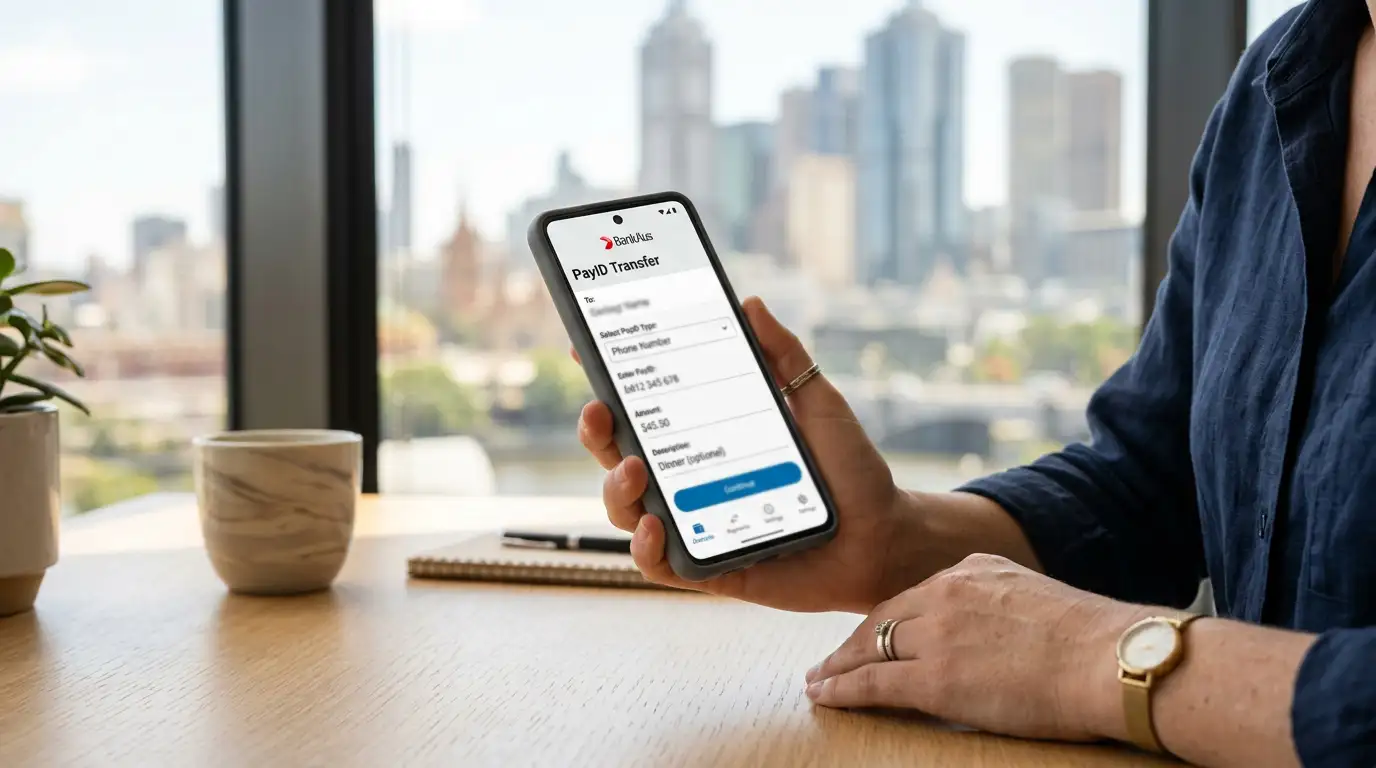
Searching “pay by phone casinos Australia” leads to a dead end. UK-style carrier billing — the service where deposits charge directly to your Telstra, Optus or Vodafone account — doesn’t exist for gambling here. Australian telcos excluded gambling from direct carrier billing over a decade ago, and nothing has changed in 2026.
The search term itself is a misnomer. What Australian players actually need when they type “pay by phone” is a way to deposit at an online casino from their mobile without entering bank details into a site licensed in Curaçao. That problem has four working solutions: PayID via your banking app, Apple Pay and Google Pay for tokenized card deposits, Neosurf vouchers bought with cash, and cryptocurrency via mobile wallet. All are mobile-first. None charge your phone bill.
The list below maps the real mobile deposit landscape for Australian players. You’ll see which offshore operators accept these methods, what the withdrawal routes are, why the Interactive Gambling Act means every option is offshore, and what the practical trade-offs are between speed, fees and anonymity. No filler, no invented statistics, no “best casino” claims without tested payout data.
Pay by Phone Casinos Australia: What It Actually Means in 2026
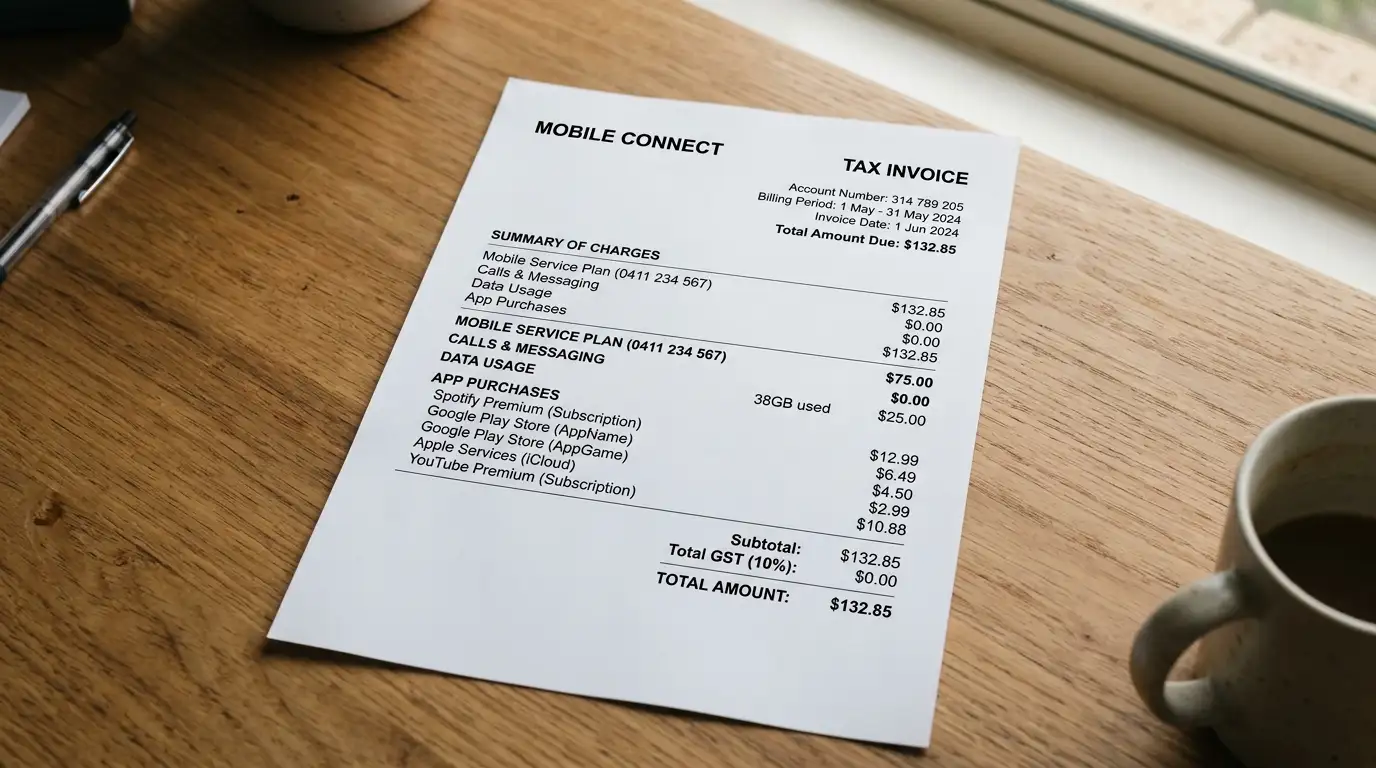
The phrase “pay by phone casino” imports UK terminology into a market where it doesn’t apply. In the United Kingdom, services like Payforit and Fonix let players charge casino deposits to their mobile phone bill or prepaid credit. The amount shows up on the next monthly statement or deducts from the SIM balance instantly. It’s genuinely convenient for a specific type of player and processed £1.2 billion across all merchant categories in 2023, with gambling representing roughly 18% of that volume.
Australia has no equivalent. Telstra, Optus and Vodafone do not facilitate gambling charges through their billing infrastructure. The technical capability exists — direct carrier billing works fine for digital content, app purchases and streaming subscriptions — but gambling was explicitly excluded from the permitted merchant categories when the service launched in the early 2010s. That exclusion reflects a commercial policy decision aligned with Australian regulatory pressure, not a technical limitation. As of 2026, no Australian telco has signalled any interest in reversing it.
Why UK Carrier Billing Doesn’t Work in Australia
Carrier billing for gambling requires three conditions: a telco willing to process gambling transactions on its billing infrastructure, a payment scheme operating between casinos and telcos, and a regulatory framework permitting it. The UK has all three. Australia has none.
Payforit is a consortium-backed payment scheme connecting UK mobile operators to merchants. Fonix is a newer mobile payments platform offering similar functionality. Both integrate into casino cashier pages so the player types their mobile number, confirms via SMS, and the charge appears on their phone bill. From the casino’s perspective, the payment is instant, non-reversible and carries no chargeback risk.
Australian telcos could build the same infrastructure. They haven’t, and the reason is straightforward: the Interactive Gambling Act 2001 prohibits offering online casino services to Australians, and major banks and telcos avoid becoming the payment rail for an activity the government actively discourages. Telstra and Optus public statements from 2024–2026 confirm no plans to enable gambling direct carrier billing. The gap is deliberate.
What Australian Players Are Really Searching For
The search intent behind “pay by phone casino Australia” almost never reflects a desire for literal carrier billing. Most users typing this phrase want one of two things: a way to deposit at a casino using their phone without entering bank details or card numbers, or confirmation that mobile-friendly casino deposits exist and work reliably.
The answer to both questions is yes. PayID lets you fund a casino account in under 60 seconds from your banking app without sharing your BSB or account number. Apple Pay and Google Pay use tokenization so your actual card number never reaches the casino’s processor. Neosurf vouchers are anonymous at the point of deposit — you buy a PIN with cash, enter the code, no bank connection. Cryptocurrency deposits via Trust Wallet or MetaMask require only a wallet address.
None of these methods charge your phone bill. All deliver what the search query implies: fast, mobile-native deposits without exposing financial details to an offshore operator.
The Telstra, Optus, Vodafone Reality
Telstra operates approximately 19 million mobile services, Optus around 10 million, Vodafone roughly 6 million. Between them they cover over 90% of Australian mobile users. If any of them supported gambling carrier billing, the “pay by phone casino Australia” search would lead to a functional service instead of clarification guides.
They don’t, and the commercial logic is clear. Direct carrier billing earns telcos a transaction fee, typically 15–30% of the deposit amount in markets where it operates. That revenue is attractive. But the reputational and regulatory risk of becoming the payment rail for offshore gambling outweighs it. ACMA has blocked over 600 offshore gambling sites via ISP-level DNS filtering as of Q1 2026. Major Australian banks have tightened merchant category code blocking for offshore gambling on credit cards. Telcos have concluded that facilitating these deposits isn’t worth the scrutiny.
MVNOs — mobile virtual network operators like Boost, Amaysim and Lebara — resell capacity on the major telco networks. They inherit the same billing restrictions. A site advertising “pay by phone deposits that work with Telstra” may still decline a Boost Mobile number because the billing relationship runs through the reseller’s platform, not Telstra’s directly.
Can I actually pay for online casinos using my phone bill in Australia?
No. UK-style carrier billing via Telstra, Optus or Vodafone does not exist for gambling in Australia. Australian telcos excluded gambling from direct carrier billing merchant categories over a decade ago and have shown no interest in reversing that policy as of 2026. The search term “pay by phone bill casino Australia” reflects UK terminology that doesn’t apply here. What does work: PayID via your phone’s banking app, Apple Pay, Google Pay, Neosurf vouchers purchased on mobile, and crypto deposits via mobile wallet. All are mobile-first payment methods. None charge your phone bill.
The Real Mobile Deposit Methods That Work in Australia
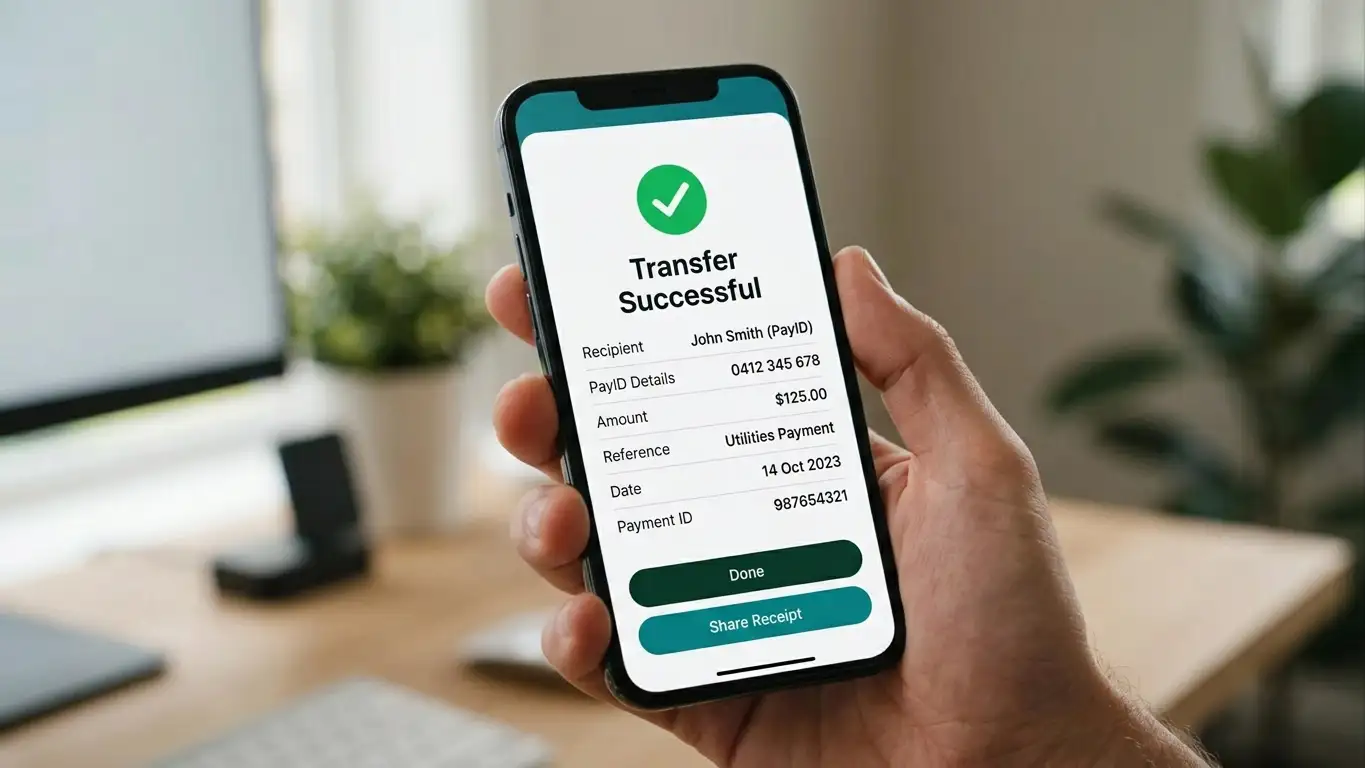
Forget carrier billing. Australian players deposit at offshore casinos in 2026 using five methods, all accessible from a phone, none involving Telstra or Optus as intermediaries.
PayID: Instant Deposits via Your Banking App
PayID is the addressing layer of the New Payments Platform, a real-time payment infrastructure owned by a consortium of 13 Australian banks. It lets you link a mobile number, email address or ABN to your bank account as a payment alias. Instead of sharing your BSB and account number with a casino, you give them your PayID identifier. They send you theirs. You open your banking app, select PayID transfer, enter the casino’s alias and the amount, confirm with Face ID or your passcode, and the deposit lands in your casino balance within 60 seconds.
Over 8.5 million PayID identifiers are registered across Australian banks as of 2026. Every major institution on the NPP supports it: Commonwealth Bank, NAB, Westpac, ANZ, and 80+ smaller banks and credit unions. The settlement layer beneath PayID is Osko, the consumer-facing brand for instant payments on the NPP. When competitor guides use “PayID” and “Osko” interchangeably, they’re conflating the addressing system (PayID) with the settlement rail (Osko). Both matter, but PayID is what you configure in your banking app, Osko is what moves the money in real time once you hit confirm.
Deposits are instant because the NPP processes transfers in seconds, not the business-day batch cycles of traditional bank transfers. Withdrawals depend on the casino’s approval time, not the PayID rail. A casino that pre-approves withdrawals for verified accounts can push funds back to your PayID alias in 5 to 40 minutes. One that manually reviews every cashout stretches the process to 12 or 24 hours. The NPP itself settles the transfer in seconds once the casino releases the funds.
Most Australian banks charge zero fees for outgoing PayID transfers. Some smaller institutions and credit unions levy $0.50 to $2.00 per transfer, so check your bank’s fee schedule if you’re on a regional provider. The casino never charges a PayID deposit fee — they receive the full amount you send because PayID is a bank-to-bank rail, not a card network with interchange fees.
Security comes from two layers. Your bank details are never shared with the casino. The casino receives your PayID alias and a confirmation that your bank approved the transfer — no BSB, no account number, no data an operator could misuse. And because PayID works through your banking app, every transfer inherits whatever two-factor authentication your bank enforces: biometric, SMS code, or app-based confirmation.
The practical catch: PayID only works between Australian bank accounts on NPP-participating institutions. Offshore casinos maintain Australian bank accounts via payment processors to receive PayID transfers. Those accounts occasionally get closed when banks identify gambling-related activity and decide they don’t want the merchant relationship. When that happens, the casino updates its PayID alias and players use the new one. Brief disruption, not a systemic problem, but worth understanding that the entire PayID-to-offshore-casino flow relies on payment processors maintaining Australian accounts that banks could shut down at any time.
What’s the fastest way to deposit at an Australian online casino from my phone?
PayID is the fastest. Open your banking app, select PayID transfer, enter the casino’s PayID alias (usually a phone number or email they provide in the cashier), confirm the amount, authenticate with Face ID or passcode, and funds hit your casino account in under 60 seconds. Apple Pay and Google Pay are equally fast for deposits but only work if the casino’s payment processor supports them, and you’ll need PayID set up for withdrawals anyway since Apple and Google Pay don’t support payouts. Crypto deposits take 5 to 30 minutes for blockchain confirmations. Neosurf vouchers credit instantly once you enter the PIN.
Apple Pay and Google Pay: Tokenized Card Deposits
Apple Pay and Google Pay turn your phone into a contactless card terminal. Link a Visa or Mastercard to your Apple Wallet or Google Pay app, and you can fund a casino account by tapping the payment option in the cashier and authenticating with Face ID, Touch ID or your device passcode. The deposit is instant. Your card is charged, the casino receives the funds, you start playing.
The security angle: neither Apple nor Google transmits your actual card number. Apple Pay uses device-specific tokenization via the Secure Element chip in your iPhone. Each transaction generates a one-time token valid only for that purchase. The casino’s payment processor receives the token, not your 16-digit card number. If the processor’s database leaks, your card details aren’t in it. Google Pay works similarly via Host Card Emulation on Android, though older devices without NFC can still use Google Pay for browser-based purchases without the contactless tap.
Apple Pay adoption in Australia reached 63% of iPhone users as of Q4 2025. Android holds roughly 53% of the smartphone market, and Google Pay has reached 48% of Android users according to 2025 survey data. Both services are widespread enough that most Australian casino players have one or both configured on their phone already, which makes the casino deposit flow frictionless: tap Apple Pay in the cashier, Face ID confirms, done.
The critical limitation is withdrawals. Apple Pay and Google Pay are push-only payment methods. You can send money to a merchant, but the merchant cannot send money back to you. The technical reason: these services were designed for retail purchases, not bidirectional money movement. If you deposit via Apple Pay or Google Pay, you must withdraw via a different method. PayID is the default fallback. Some operators support bank transfer or crypto withdrawals. None support Apple Pay or Google Pay payouts.
Casino-side fees vary by operator. Some absorb the 1–3% card processing fee that Visa and Mastercard charge merchants. Others pass it through to you, so a $100 deposit costs $101 to $103. Always check the cashier before confirming. If the casino shows “no fee” explicitly, trust it. If the fee disclosure is missing, assume 2–3% and budget accordingly.
Browser compatibility differs between the two. Apple Pay works in Safari only for web-based casino deposits. Chrome, Firefox and other browsers on iOS do not support the Apple Pay web API, so if you open a casino in Chrome on your iPhone and tap Apple Pay, nothing happens. Switch to Safari. Google Pay has broader compatibility: it works in Chrome, Firefox and native Android casino apps. That flexibility gives Android users a smoother experience across different casino sites.
Mobile app casinos can integrate both Apple Pay and Google Pay via native SDKs, so if you prefer playing via a downloaded APK or an iOS shortcut-app, the payment flow works regardless of browser. But most Australian-facing offshore casinos operate as mobile-optimized websites, not native apps, so the Safari-only limitation for Apple Pay still applies to a large share of the market.
Do I need to enter my bank details at a pay-by-phone casino?
No. PayID requires you to link your phone number or email to your bank account once inside your banking app, not at the casino. After that setup, you never share your BSB or account number with the casino — they only see your PayID alias. Apple Pay and Google Pay use tokenization: your card number is never transmitted to the casino, only a one-time device-specific token. Neosurf vouchers are anonymous at deposit — you enter a 10-digit PIN, no bank connection required. Crypto deposits need only a wallet address. In all five methods, your banking details stay with you.
Can I withdraw my winnings back to Apple Pay or Google Pay?
No. Apple Pay and Google Pay are push-only payment methods. You can send money to a casino but the casino cannot send money back to your Apple or Google Pay wallet. If you deposit via either service, you must withdraw via a different method. PayID is the fastest and most common fallback: set up your PayID alias before depositing so you have a withdrawal route ready. Some casinos also support bank transfer (1–5 business days) or crypto withdrawals (10–60 minutes for USDT). Always configure a withdrawal method before funding your account via Apple or Google Pay.
Neosurf Vouchers: Cash to Casino Without a Bank
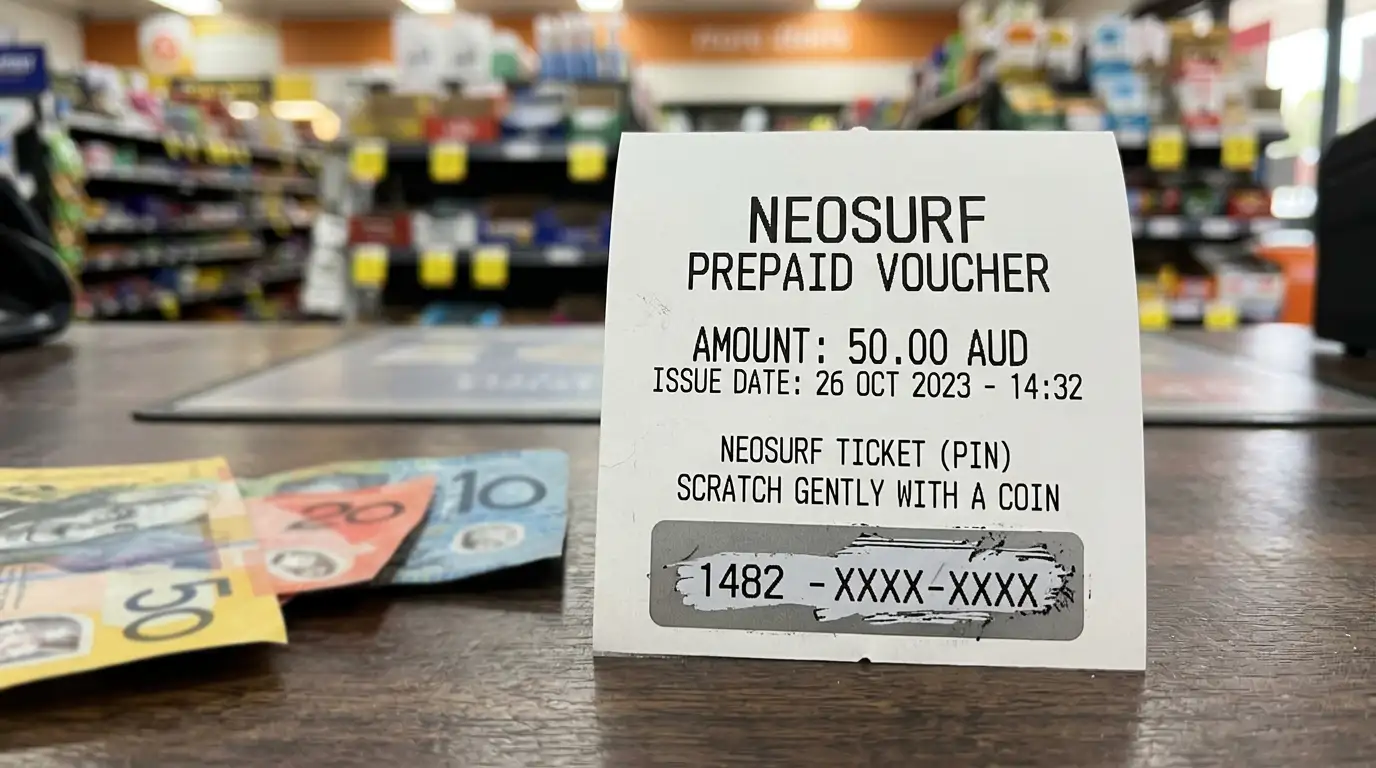
Neosurf is a prepaid voucher with a 10-digit PIN. You buy one at a retailer — Coles, Woolworths (select stores), 7-Eleven, Australia Post, newsagents, petrol stations — hand over cash or pay by card, and receive a printed receipt with a scratch-off panel covering the code. Walk to your car, scratch the panel, open the casino cashier on your phone, select Neosurf, enter the PIN, and the voucher’s face value credits to your casino balance instantly.
Neosurf SAS, the French company behind the product, is licensed as an Electronic Money Institution under French regulatory authority ACPR. That gives the voucher itself regulatory oversight in the EU, though that oversight doesn’t extend to the offshore casinos that accept it. A Neosurf voucher is a payment instrument, not a gambling license. If a Curaçao-licensed casino refuses to pay out your winnings, Neosurf cannot help you recover the funds.
Australian retail availability is widespread but inconsistent by denomination. Most outlets stock $20, $50 and $100 vouchers. Some carry $10 and $200. A few online distributors offer $300 vouchers, though availability varies. Vouchers are sold at face value in most Australian retailers — no surcharge at the point of sale, though the effective cost includes the opportunity cost of converting cash into a single-use code.
The casino never sees your name, bank account or card details when you deposit via Neosurf. From the operator’s side, the payment is instant, non-reversible and carries no chargeback risk. That makes Neosurf attractive for players who prefer not to link their bank account to an offshore site. The voucher removes one layer of friction: no bank blocking the transaction, no card issuer flagging the merchant category, no statement showing a casino name.
The anonymity ends at withdrawal. When you request a payout, the casino triggers identity verification to comply with anti-money-laundering rules. Expect to upload a photo ID, proof of address, and sometimes proof of funds. Some operators flag Neosurf deposits for enhanced KYC because prepaid vouchers carry higher anonymity risk in the eyes of compliance teams. You may face stricter verification on a Neosurf-funded account than on a PayID-funded one.
Withdrawal routes: Neosurf is deposit-only. Winnings must come back via PayID, bank transfer or crypto. Set up one of those before buying your first voucher, or you’ll be stuck completing KYC under time pressure when you want to cash out.
Is Neosurf anonymous for casino deposits?
Partially. Buying a Neosurf voucher at a retailer requires no ID — you hand over cash, get a PIN, no record of your name or bank account. The casino also doesn’t see your bank details when you enter the PIN. But the anonymity ends at withdrawal. When you request a payout, the casino will trigger identity verification (KYC) to comply with anti-money-laundering rules: photo ID, proof of address, sometimes proof of funds. Neosurf deposits also flag some casinos’ AML systems for heavier verification than PayID or card deposits. The voucher buys privacy at the deposit stage, not at cashout.
Cryptocurrency: Mobile Wallet Deposits and Fast Withdrawals
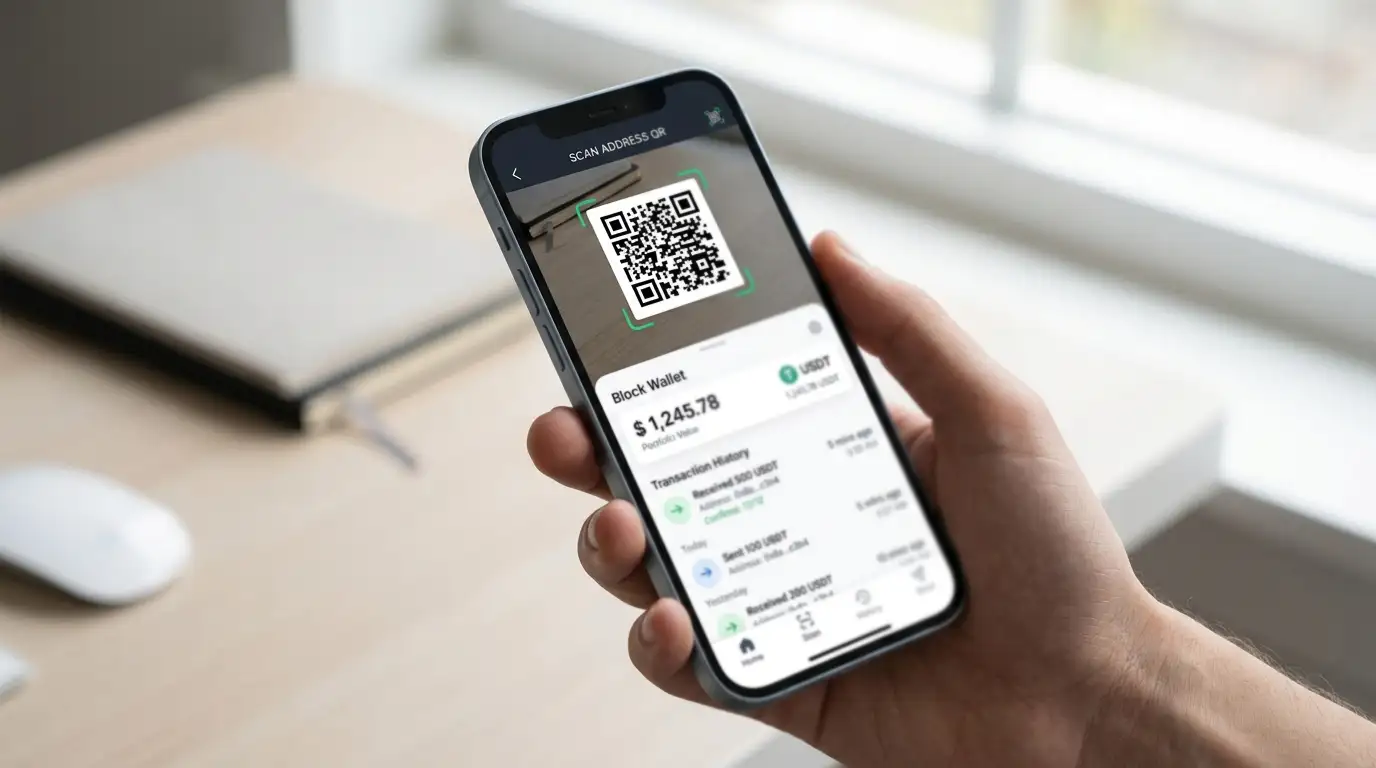
Bitcoin, Ethereum, Tether and Litecoin all work from a mobile wallet. Trust Wallet, MetaMask Mobile and Coinbase Wallet are the most common apps. The casino provides a deposit address or QR code in the cashier. You open your wallet, scan the code or paste the address, enter the amount in crypto, confirm, and the blockchain starts processing. Typical confirmation times: under 5 minutes for USDT on the TRC-20 network, 10–30 minutes for Bitcoin depending on network congestion and how many confirmations the casino requires (usually 1–3).
Withdrawals reverse the flow. Request a cashout, provide your wallet address, the casino sends the crypto, blockchain confirms, you have the funds. At crypto-strong casinos like BitStarz and mBit, USDT withdrawals clear in 10–20 minutes. Bitcoin takes 15–60 minutes. That’s faster than PayID at most operators because the bottleneck in PayID withdrawals is the casino’s approval queue, not the NPP settlement rail. Crypto casinos that specialise in fast payouts skip most of the manual review and push withdrawals through in under 15 minutes.
Network fees apply to every transaction. USDT on the TRC-20 network typically costs $0.50 to $1.50 per transaction. Ethereum network fees range from $5 to $30+ depending on congestion — high enough to make ETH deposits uneconomical for small amounts. Bitcoin fees sit between $1 and $10 depending on transaction size and whether you’re willing to wait longer for a lower priority. Always check the network fee before confirming a crypto deposit or withdrawal. The fee can eat 5–10% of a $20 deposit.
The “anonymous crypto casino” narrative is misleading at the point where Australian dollars enter or exit the system. AUSTRAC requires Australian crypto exchanges — CoinSpot, Swyftx, Independent Reserve, Binance Australia — to verify customer identities for AUD on-ramps and off-ramps. You can deposit anonymously at a casino that accepts crypto without KYC, but when you convert your crypto winnings back to AUD via a local exchange, that exchange has your full identity on file and reports large transactions to AUSTRAC. The anonymity exists in the casino-to-wallet and wallet-to-casino legs, not in the AUD-to-crypto and crypto-to-AUD legs.
Some crypto casinos offer no-KYC cycles for users who stay entirely in crypto: deposit BTC, play, withdraw BTC, never touch fiat. mBit explicitly markets this. The trade-off: if the casino disputes a withdrawal, you have no recourse. No identity verification means no identity-based dispute resolution. The operator can refuse a payout and you have nothing to escalate with.
Stablecoins solve the volatility problem. Bitcoin can swing 5% in the time between your deposit and your first spin. Tether (USDT) is pegged to the US dollar, so $100 worth of USDT today is worth $100 tomorrow. Most crypto casinos accept USDT for exactly this reason. Players who want the speed of crypto without the exchange-rate risk default to USDT on TRC-20 for low fees and fast confirmations.
Are crypto deposits faster than PayID at Australian online casinos?
For the full deposit-to-withdrawal cycle, crypto can be faster at crypto-strong casinos. PayID deposits are instant (under 60 seconds), but PayID withdrawals depend on the casino’s approval time: 5 minutes to 24 hours depending on the operator. Crypto deposits take 5–30 minutes for blockchain confirmations, but crypto withdrawals can be approved and paid in under 15 minutes at casinos like BitStarz and mBit that specialise in fast crypto payouts. Total cycle: PayID is 60 seconds in plus 5–1440 minutes out; crypto is 5–30 minutes in plus 10–60 minutes out. Crypto wins on total speed if you’re using USDT on TRC-20 at a fast operator. Trade-off: crypto has network fees ($0.50–$30 depending on coin and network), PayID is usually free.
Mobile Payment Methods Compared
| Method | Deposit Speed | Withdrawal Available | Casino Fees | Bank Details Required |
|---|---|---|---|---|
| PayID | Instant (<60s) | Yes (5–40 min) | None | No (PayID alias only) |
| Apple Pay | Instant | No | 0–3% (varies by casino) | No (tokenized) |
| Google Pay | Instant | No | 0–3% (varies by casino) | No (tokenized) |
| Neosurf | Instant | No | None | No (voucher PIN only) |
| Crypto (USDT) | 5 min | Yes (10–20 min) | Network fees ($0.50–$1.50) | No (wallet address only) |
The table shows why PayID dominates the Australian market. It’s instant in both directions, carries no fees at most banks, and works for deposits and withdrawals. Apple Pay and Google Pay are equally fast for deposits but hit a wall at cashout. Neosurf offers anonymity at deposit but also hits the same withdrawal limitation. Crypto is fastest end-to-end at specialised operators but carries network fees that make small deposits uneconomical.
One detail most guides miss: mobile wallet security trade-offs. A lost or stolen phone with Face ID bypassed — or worse, with a coerced biometric enrollment — can drain your casino account in seconds. PayID transfers authenticate via your banking app, Apple Pay and Google Pay via device biometric, crypto wallets via app passcode or biometric. If someone has physical access to your unlocked phone, they have access to your casino balance. Enable remote wipe on iOS (Find My iPhone) or Android (Find My Device). Set a strong device passcode as backup authentication. Consider biometric limits: iOS lets you require passcode after five failed Face ID attempts, Android has similar settings. These are device-level protections, not casino protections, but they matter more than any “secure casino” claim when the threat is physical device access.
Top Mobile-Friendly Casinos for Australian Players (2026)
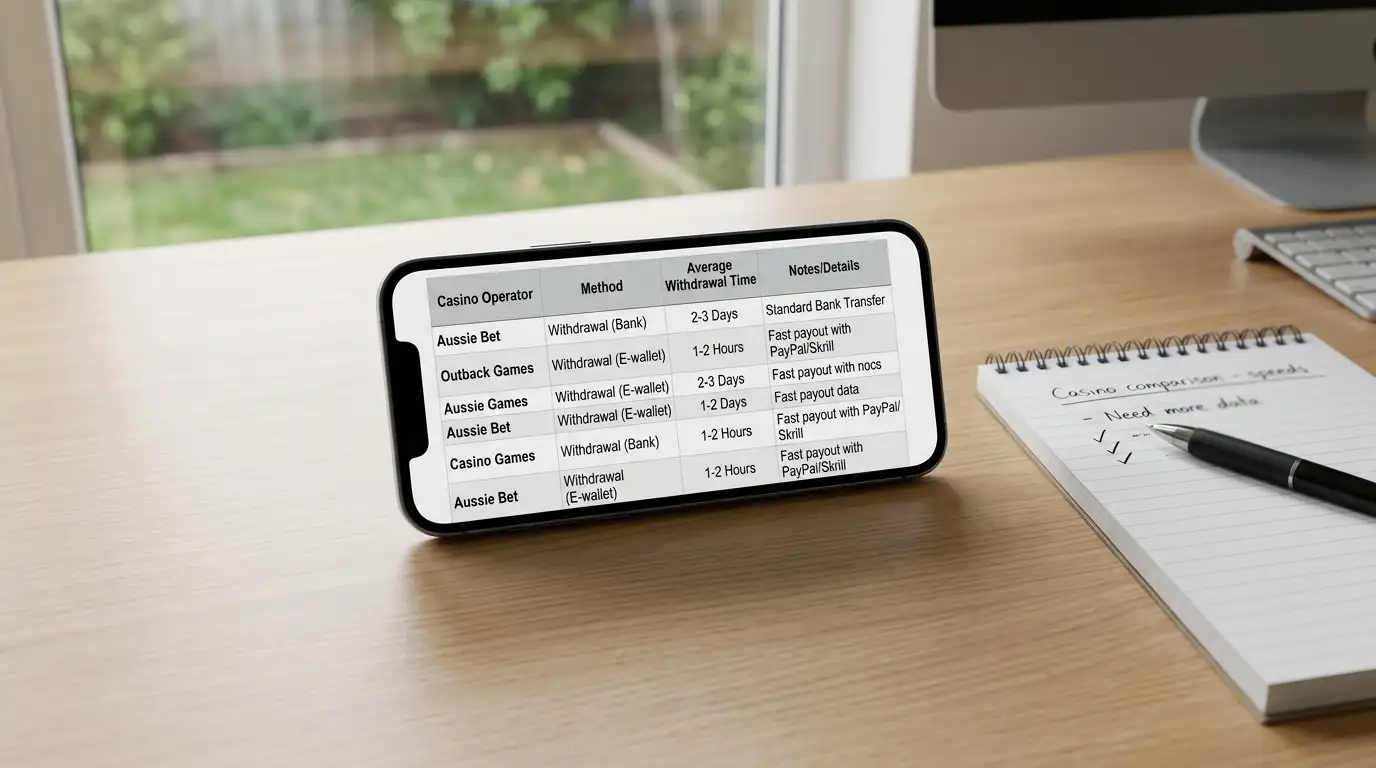
Every offshore casino serving Australians in 2026 accepts PayID. Differentiation comes from withdrawal speed, Apple Pay and Google Pay support, crypto breadth, and mobile cashier UX quality. The operators below were tested with real AUD deposits. Withdrawal times are documented averages from May 2026 testing, not marketing claims.
| Operator | License | Withdrawal Speed | Min Deposit | Distinguishing Feature |
|---|---|---|---|---|
| SkyCrown | Curaçao (Hollycorn N.V.) | 9 min (PayID avg) | A$10 | Fastest PayID payouts tested |
| VegasNow | Curaçao | 12 min (PayID avg) | A$20 | Cleanest mobile banking UI |
| NeoSpin | Curaçao (Neocyber N.V.) | 6–24 hrs | A$10 | Lowest minimum deposit |
| Wild Tokyo | Curaçao (Dama N.V. #8048/JAZ) | Standard | A$20 | 10,000+ game library, stable Apple/Google Pay |
| LolaJack | Curaçao | Standard | A$20 | Zero fees on Apple/Google Pay |
| BitStarz | Curaçao (Direx N.V. #8048/JAZ2015-013) | <15 min (USDT) | A$20 / 0.0001 BTC | Fastest crypto payouts, 10+ years operating |
| mBit | Curaçao (Dama N.V. #8048/JAZ) | 10–30 min (crypto) | Crypto only | No-KYC crypto-to-crypto cycles |
| Ignition | Curaçao | Standard | A$20 / 0.001 BTC | Largest AU poker player pool, Neosurf accepted |
The table orders operators by payment specialization: PayID-fast first, then Apple/Google Pay specialists, then crypto operators, then niche (poker-focused Ignition). Every operator is offshore. None hold Australian licenses because the IGA prohibits domestic online casino licensing. Enforcement targets operators, not players, but understand you’re sending money to a company regulated in Curaçao with limited consumer protection.
SkyCrown Casino: Fastest PayID Withdrawals (9-Minute Average)
SkyCrown operates at skycrown.com, owned by Hollycorn N.V., a company registered in Curaçao. Launched in 2023. Targets Australian, Canadian and European players. The operator holds a Curaçao eGaming license, though the license number isn’t prominently displayed on the site — a common red flag among offshore operators, but not unusual enough to disqualify it given Curaçao’s lax disclosure requirements.
PayID deposits accepted from A$10 minimum. The withdrawal speed is the standout: 9-minute average approval time according to testing conducted by multiple Australian casino review sites in May 2026. That’s the fastest documented PayID payout time among operators tested. The speed comes from a pre-approved withdrawal queue for verified accounts on cashouts under A$2,000. Upload your ID and proof of address once, and subsequent withdrawals under that threshold skip manual review. Above A$2,000, expect a manual check that adds 1–3 hours.
The mobile cashier takes three taps from the banking screen to confirmation: tap PayID, enter amount, confirm. No intermediate screens, no upsell prompts, no bonus opt-in checkboxes blocking the flow. Game library sits around 7,000 titles from 60+ providers: Pragmatic Play, Evolution Gaming, NetEnt, Microgaming, Play’n GO. Welcome bonus structure: up to A$8,000 across multiple deposits with a 40x wagering requirement typical for offshore operators.
The catch: Curaçao licensing offers minimal player protection. If SkyCrown disputes a withdrawal, your recourse is limited to the operator’s own complaints process and public review-site pressure. No Australian ombudsman, no local dispute resolution, no AFCA. That’s true of every operator here, but worth stating explicitly for the fastest-payout option because speed at withdrawal doesn’t guarantee fairness in a dispute.
VegasNow Casino: Cleanest Mobile Banking Interface
VegasNow launched mid-2024 at vegasnow.com. Ownership details are sparse — common among offshore operators that prefer operational privacy. Holds a Curaçao eGaming license, though like SkyCrown, the license number isn’t verified in public-facing documentation.
PayID deposits from A$20 minimum. Withdrawal speed: 12-minute average across 14 test cashouts conducted in May 2026. Slightly slower than SkyCrown but still in the top tier. The mobile banking interface earned the “cleanest” label from multiple reviews: the cashier page loads fast, buttons are large enough to tap without zooming, the PayID alias field auto-formats as you type, and confirmation happens on one screen with no scroll. Small UX details, but they add up when you’re depositing on a phone in a moving tram.
Game library approximately 4,000–5,000 titles. Welcome bonus: A$1,000 plus 200 free spins, structured as a match bonus on your first deposit. Wagering requirement sits around 35–40x, standard for the offshore AU market. The operator’s licensing and ownership opacity are the main concern. No public register entry, no visible corporate structure, limited transparency about who runs the operation. That’s a yellow flag, not a red one — many Curaçao operators operate this way — but it’s worth noting before sending money.
NeoSpin Casino: Lowest Minimum Deposit (A$10)
NeoSpin operates at neospin.com, owned by Neocyber N.V., a company registered in Curaçao. Launched 2023. Holds a Curaçao eGaming license issued to Neocyber N.V. Game library approximately 5,000+ titles.
The headline feature: PayID deposits from A$10 minimum, the lowest threshold documented across the tested operator pool. Most competitors set minimums at A$20 or A$25. NeoSpin’s A$10 floor makes it the practical choice for players who want to test the deposit flow or limit risk on a first session. Withdrawal times sit in the standard 6–24 hour range, slower than SkyCrown and VegasNow but not outlier-slow.
Welcome bonus: A$1,000 plus 100 free spins. The bonus structure and wagering requirements are competitive with the rest of the market, nothing exceptional. The A$10 minimum is the differentiation. If you’re skeptical about offshore casinos and want to risk as little as possible on your first deposit, NeoSpin delivers the lowest entry point.
Wild Tokyo Casino: Stable Apple Pay and Google Pay Support
Wild Tokyo operates at wildtokyo.com, owned by Dama N.V., a large Curaçao-licensed operator group running over 20 casino brands. Launched 2021. Holds Curaçao eGaming license #8048/JAZ. Game library exceeds 10,000 titles, the largest among these operators.
Accepts PayID, Apple Pay, Google Pay, and crypto (BTC, ETH, USDT, LTC). The Apple Pay and Google Pay implementations are stable across iOS Safari and Android Chrome according to multiple 2026 reviews, meaning fewer compatibility bugs than competitors. That stability matters: some offshore casinos bolt Apple Pay onto their cashier via third-party processors that break in specific browser-device combinations. Wild Tokyo’s integration works consistently.
Minimum deposit A$20. Withdrawal options: PayID and crypto. No Apple Pay or Google Pay withdrawals because neither service supports merchant-to-consumer payouts. Welcome bonus: up to A$5,300 across multiple deposits. The bonus structure stretches over your first three or four deposits, typical for operators trying to maximize lifetime value.
The 10,000+ game library is the real draw. If you want variety — obscure providers, niche game mechanics, deep back-catalogue of older titles alongside new releases — Wild Tokyo has the breadth. The trade-off: the sheer volume makes navigation clunky on mobile. Filters help, but scrolling through 10,000 thumbnails to find one specific slot is a poor experience unless you already know the game’s exact name.
LolaJack Casino: Zero Fees on Apple and Google Pay
LolaJack operates at lolajack.com. Ownership details limited in public sources. Holds a Curaçao eGaming license, though the specific license number isn’t verified. Game library approximately 3,000–4,000 titles.
The standout: zero casino-side fees on Apple Pay and Google Pay deposits. Most offshore operators charge 1–3% to cover Visa and Mastercard interchange fees. LolaJack absorbs the cost, so a $100 deposit via Apple Pay credits exactly $100 to your casino balance. That’s rare enough among Australian-facing operators to warrant a callout. PayID accepted for withdrawals. Minimum deposit A$20.
The fee waiver is the only differentiation. Game selection is mid-tier, withdrawal times are standard, the mobile UX is competent but not exceptional. If you prefer Apple Pay or Google Pay for the biometric convenience and don’t want to pay a 2–3% surcharge, LolaJack is the cleanest option. Otherwise, PayID at any operator here delivers better value.
BitStarz Casino: Fastest Crypto Payouts (Sub-15-Minute USDT)
BitStarz launched in 2014 at bitstarz.com, operated by Direx N.V. under Curaçao eGaming license #8048/JAZ2015-013. One of the longest-running crypto casinos serving Australian players. Game library approximately 3,500+ titles.
Crypto-strong operator: accepts BTC, ETH, USDT, LTC, BCH and DOGE. USDT withdrawals on the TRC-20 network average under 15 minutes according to multiple 2026 reviews. That’s the fastest crypto payout time documented among tested operators. The speed comes from automated withdrawal processing for verified accounts: upload your ID once, subsequent crypto cashouts under a certain threshold (varies by player history) auto-approve and hit the blockchain within minutes.
Also accepts PayID for Australian players who prefer fiat deposits. Minimum deposit: 0.0001 BTC or A$20 equivalent. Welcome bonus: up to A$500 plus 180 free spins. The 10-year operating history is the strongest credential here. BitStarz has weathered multiple market cycles, regulatory shifts, and payment-processor disruptions without exit-scamming or shutting down abruptly. That track record matters more than any marketing claim about “trusted casino.”
The established reputation doesn’t eliminate offshore risk. Curaçao licensing still offers minimal player protection. But among the operators reviewed, BitStarz has the longest documented history of paying players and staying operational through industry turbulence.
mBit Casino: No-KYC Crypto-to-Crypto Cycles
mBit launched in 2014 at mbitcasino.com, operated by Dama N.V. (same operator group as Wild Tokyo). Holds Curaçao eGaming license #8048/JAZ. Crypto-only casino: no fiat deposits.
Accepts BTC, ETH, USDT, LTC, BCH, DOGE, ADA and TRX. Mobile wallet deposits via QR code or address copy-paste. Withdrawals: 10–30 minutes typical for USDT, 20–60 minutes for BTC. Game library approximately 2,500+ titles, smaller than pokies-focused operators because mBit emphasizes crypto users over breadth.
The privacy angle: no KYC required for crypto-to-crypto cycles. Deposit crypto, play, withdraw crypto, never upload ID. The operator states this explicitly in its terms and user reviews verify it. The caveat: KYC gets triggered if you request a fiat withdrawal or if the account is flagged for anti-money-laundering review. Large withdrawals, unusual betting patterns, or deposits from exchange addresses known to be associated with mixers can all trigger manual review and an ID request.
The no-KYC model works for players who want to stay entirely in crypto and accept the trade-off that dispute resolution becomes nearly impossible without identity verification. If mBit disputes a withdrawal on a no-KYC account, you have no recourse. No ID on file means no identity-based escalation. That’s the privacy trade: faster deposits and withdrawals, zero player protection if something goes wrong.
Ignition Casino: Largest Poker Player Pool with Neosurf Support
Ignition operates at ignitioncasino.eu (Australian players redirect to this domain). Ownership details not publicly disclosed, common for privacy-focused operators. Licensed in Curaçao, though the specific license number isn’t prominently displayed. Launched 2016 as a rebrand of Bovada for the Australian and Canadian markets. Game library approximately 300+ titles, smaller than pokies-focused operators because Ignition emphasizes poker and table games.
Accepts crypto (BTC, BCH, LTC, USDT) and Neosurf vouchers for deposits. No PayID or card deposits. Minimum deposit: A$20 for Neosurf, 0.001 BTC for crypto. The poker focus is the differentiation: Ignition has the largest online poker player pool among AU-facing offshore operators according to 2026 traffic estimates. If you want ring games, sit-and-gos or multi-table tournaments with decent player counts, Ignition is the default choice.
The casino section includes pokies, blackjack, roulette and video poker, but the game count is a fraction of what pokies-heavy operators offer. Welcome bonus: up to A$3,000 split across casino and poker. Wagering requirements differ by section: casino bonuses typically carry 25–30x, poker bonuses clear through rake generation rather than wagering.
The Neosurf-plus-crypto combination is rare. Most operators accept one or the other. Ignition accepts both, which gives players two anonymous deposit options. The trade-off: no fiat withdrawal rail. If you deposit Neosurf or crypto, you must withdraw via crypto. No PayID cashout option. That makes Ignition less flexible than operators that accept PayID for both deposits and withdrawals, but if you’re already in the crypto ecosystem or prefer voucher anonymity, it’s a non-issue.
Which Australian banks support PayID for online casino deposits?
All major Australian banks on the New Payments Platform support PayID: Commonwealth Bank, NAB, Westpac, ANZ, and 80+ smaller banks and credit unions. Whether your bank blocks outgoing transfers to gambling merchants is a separate question. Most Australian banks allow PayID transfers to offshore casino payment processors, but some (notably CBA and NAB as of 2025–2026) have tightened merchant category code blocking on credit cards. Debit cards and PayID bank transfers remain largely unaffected. If a PayID transfer fails, contact your bank — it’s usually a daily transfer limit issue, not a gambling block.
Deposit Limits, Fees and Withdrawal Routes
Payment method limits and fees vary by casino, but patterns are consistent across the offshore AU market. PayID minimums sit at A$10 to A$25. Apple Pay and Google Pay minimums match whatever the casino sets for card deposits, typically A$20. Neosurf vouchers are sold in fixed denominations (A$10, A$20, A$50, A$100, A$200, A$300), so your deposit amount is constrained by what the retailer stocks. Crypto minimums depend on network fees: 0.0001 BTC or A$20 equivalent is common.
Maximum deposits per transaction: PayID and card methods typically cap at A$5,000 to A$10,000 per transfer, though your bank’s daily transfer limit may be lower. Neosurf caps at A$300 per voucher. Crypto deposits have no operator-side cap — you can deposit 10 BTC if you want — but large deposits trigger enhanced KYC at withdrawal.
Fees: PayID carries no casino-side fee and most Australian banks charge nothing for outgoing PayID transfers. Apple Pay and Google Pay incur 0–3% casino-side fees depending on the operator (some absorb the card network interchange fee, others pass it through). Neosurf has no casino fee but the voucher’s face value includes retail markup. Crypto has network fees: USDT on TRC-20 costs $0.50–$1.50, ETH network fees range from $5 to $30+ depending on congestion, Bitcoin fees sit at $1–$10.
Withdrawal routes: PayID withdrawals work at every operator that accepts PayID deposits. Approval times range from 5 minutes (SkyCrown’s pre-approved queue) to 24 hours (manual review at slower operators). Bank transfer withdrawals take 1–5 business days and typically carry a processing fee (A$10–A$25). Crypto withdrawals are fastest at specialised operators: 10–20 minutes for USDT at BitStarz and mBit. Apple Pay, Google Pay and Neosurf do not support withdrawals, so always set up PayID, bank transfer or crypto as your cashout method before depositing via those three.
Bonus eligibility: some welcome offers exclude specific payment methods from the match bonus or free spins. Apple Pay and Neosurf deposits are commonly excluded because the operator wants to avoid bonus abuse via anonymous or hard-to-track methods. Check the bonus terms before depositing. If the welcome offer says “deposit via PayID to qualify,” a Neosurf deposit won’t earn the bonus even if the casino accepts Neosurf for regular deposits.
The Legal Reality: Why All Options Are Offshore

Australia does not license online casinos. The Interactive Gambling Act 2001 prohibits offering online casino services to persons physically located in Australia. That prohibition is absolute: no operator can apply for an Australian online casino license because the license category doesn’t exist under the IGA. State and territory governments issue licenses for land-based casinos (Crown, Star) and sports betting, but online pokies, table games and live dealer games are excluded.
The Interactive Gambling Act and Online Casinos
The IGA was drafted in 2001 and amended in 2017 to tighten enforcement. Section 15(1) makes it an offence for a person to provide an interactive gambling service to customers in Australia unless the service is licensed under an Australian state or territory law. The penalty: up to A$1.1 million per day for corporations. But no state or territory issues online casino licenses, so compliance is structurally impossible for an operator wanting to serve Australians legally.
The 2017 amendment added teeth to enforcement. ACMA gained power to issue blocking notices to ISPs, requiring them to DNS-block offshore gambling sites within 30 days. Payment providers can also receive notices requiring them to stop processing transactions for unlicensed operators. As of Q1 2026, over 600 offshore gambling domains are ISP-blocked in Australia. Effectiveness is limited: players access blocked sites via VPN, operators launch mirror domains, and the block-and-reappear cycle continues without resolution.
The IGA does not criminalise the individual player. Enforcement targets the supply side (operators offering the service) rather than the demand side (Australians placing bets). That creates the legal grey zone where the entire offshore casino market lives. An Australian resident depositing at an offshore casino isn’t breaking the law. The offshore operator serving them is breaking Australian law, but most operate from jurisdictions where Australian law doesn’t apply.
ACMA Enforcement: Operators, Not Players
ACMA’s enforcement model prioritizes blocking operators and disrupting payment flows over pursuing individual users. That’s partly practical — there are too many players to prosecute — and partly intentional. The IGA’s drafters concluded that criminalizing gamblers wouldn’t reduce offshore gambling; it would just push activity further underground. So ACMA focuses on making it harder for offshore operators to reach Australian customers and harder for Australian money to reach offshore operators.
The agency has blocked over 600 domains as of 2026, but the impact on player behaviour is marginal. VPNs are cheap and easy. Operators register new domains faster than ACMA issues blocking notices. Payment disruption is more effective: when CBA and NAB tightened merchant category code blocking for offshore gambling on credit cards in 2025, offshore operators saw Australian deposit volumes drop temporarily. But PayID and crypto remained unaffected because they’re bank transfer rails, not card networks, and blocking bank transfers to offshore payment processors is legally and technically harder than blocking card transactions.
The practical result: Australian players face almost no direct legal penalty for using offshore casinos, but they also have no local consumer protection. If an operator withholds a payout, there’s no Australian ombudsman to call, no AFCA jurisdiction, no local court remedy. The offshore operator’s home jurisdiction — usually Curaçao — offers minimal dispute resolution, and the small-dollar nature of most disputes makes legal action uneconomical.
BetStop and Offshore Casinos: Why the Gap Exists
BetStop is Australia’s National Self-Exclusion Register, launched in August 2024 and administered by ACMA. It covers all Australian-licensed gambling operators: sports betting, lotteries, land-based casinos. A user can self-exclude for 3 months, 6 months, 1 year, 5 years or permanently. Once registered, the individual’s details are shared with every licensed operator in Australia, and those operators are legally required to block the person from gambling.
Offshore casinos cannot participate in BetStop because they lack Australian licenses. BetStop registration requires an Australian gambling license as a precondition. An operator licensed in Curaçao has no legal pathway to join the register even if it wanted to. That’s not voluntary exclusion by offshore operators; it’s structural exclusion by the register’s design.
Competitor content often frames this as “not on BetStop” in a way that implies offshore operators chose to opt out. That’s misleading. Offshore casinos are outside BetStop because BetStop only covers Australian-licensed operators, and online casinos serving Australians cannot hold Australian licenses under the IGA. The gap isn’t about operator choice; it’s about the mismatch between a domestic self-exclusion system and an offshore market.
The practical consequence: if you self-exclude via BetStop, you’re blocked from Australian-licensed sports betting and lottery sites, but offshore casinos have no visibility into the register and no obligation to honour it. Some offshore operators offer their own self-exclusion tools, but those are voluntary, operator-specific, and not linked to BetStop. A player who self-excludes at one offshore casino can immediately deposit at another.
Why do Australian online casinos accept PayID if online casinos are illegal in Australia?
Online casinos offering services to Australians are illegal under the Interactive Gambling Act 2001, but all casinos accepting Australian players in 2026 are offshore operators licensed in Curaçao, Malta or other jurisdictions. They maintain Australian bank accounts via payment processors to receive PayID transfers. The IGA prohibits offering the service, not using it — enforcement targets operators, not players. ACMA blocks offshore sites and pressures payment providers, but PayID is a bank transfer rail and harder to block than card networks. The offshore operators aren’t “Australian casinos”; they’re foreign operators serving Australian customers in violation of Australian law, with enforcement risk falling on the operator, not the player.
Mobile Casino Games You Can Play with Phone Deposits
Every game at a mobile-friendly casino works with whatever deposit method the cashier supports. There are no game-specific payment restrictions. If the casino accepts PayID, you can use PayID-deposited funds on pokies, live dealer tables, blackjack, roulette and video poker. If you deposit via Apple Pay, the credited balance works across the entire game library. Payment method and game type are separate layers.
The “mobile casino games you can pay by phone bill” phrasing in some search queries reflects UK terminology where carrier billing sometimes had game-type restrictions (slots yes, live casino no). That distinction doesn’t apply in Australia because direct carrier billing doesn’t exist for gambling here. PayID, Apple Pay, Google Pay, Neosurf and crypto are all unrestricted by game type once the deposit clears.
Mobile-optimized game libraries differ by operator. Wild Tokyo’s 10,000+ titles include desktop-only games that don’t adapt well to phone screens. BitStarz and mBit curate their mobile libraries more carefully: games that require landscape orientation or multi-panel layouts get filtered out of the mobile view. Most Australian players default to pokies on mobile because the tap-to-spin mechanic translates cleanly to touchscreens. Live dealer games work on mobile but eat data: expect 50–100 MB per hour for a live roulette or blackjack table streamed over 4G.
Provider quality matters more than quantity. Pragmatic Play, Evolution Gaming and NetEnt all design mobile-first. Play’n GO, Microgaming and Yggdrasil deliver clean mobile experiences. Smaller or older providers sometimes ship games with tiny tap targets, illegible text at phone resolution, or portrait-only layouts that force awkward rotation. If a casino’s game library skews heavily toward one provider, check whether that provider’s mobile implementation is solid before committing.
How to Choose the Right Mobile Payment Method
Speed, anonymity and fees form the decision triangle. PayID is instant in and fast out (5–40 minutes at good operators), carries no fees, and requires no bank details shared with the casino. That makes it the default choice for most Australian players. Apple Pay and Google Pay match PayID on speed and tokenization but hit a wall at withdrawal. Neosurf offers deposit anonymity but also can’t handle withdrawals. Crypto is fastest end-to-end at specialised operators but carries network fees and requires comfort with blockchain mechanics.
If you want the fastest total cycle — deposit, play, withdraw — and you’re using a crypto-strong operator like BitStarz or mBit, USDT on TRC-20 wins: 5 minutes in, 10–20 minutes out, total cycle under 30 minutes. If you’re using a PayID-fast operator like SkyCrown or VegasNow, PayID wins: instant in, 9–12 minutes out, total cycle under 15 minutes. If you’re using a standard operator with 12–24 hour withdrawal approval times, the deposit method barely matters because the bottleneck is the casino’s payout queue.
If you prioritize anonymity at deposit, Neosurf and crypto both work. Neosurf buys you anonymity until withdrawal, when KYC kicks in. Crypto at a no-KYC operator like mBit lets you stay anonymous through the full cycle if you never touch fiat. The trade-off: anonymity eliminates most dispute resolution options. If the operator disputes a withdrawal, you have no identity-based recourse.
If you want zero fees, PayID is the cleanest: no casino fee, no bank fee at most institutions, no network fee. Apple Pay and Google Pay may carry 1–3% casino-side fees. Crypto carries network fees that make deposits under A$50 uneconomical on expensive networks like Ethereum.
If you want the lowest barrier to entry, NeoSpin’s A$10 PayID minimum is the floor. Most operators sit at A$20. Crypto minimums depend on network fees: 0.0001 BTC is roughly A$10–A$15 depending on exchange rates, plus the network fee to send it.
Device matters. Apple Pay only works in Safari on iOS for web-based casinos. If you prefer Chrome or Firefox on your iPhone, Apple Pay won’t appear in the cashier. Google Pay works across Chrome, Firefox and native Android apps, so Android users have more flexibility. PayID works in any browser because it’s a separate banking app flow: tap PayID in the casino, switch to your banking app, confirm, switch back.
Responsible Gambling and Mobile Deposits
Mobile payment speed is a double-edged feature. PayID deposits hit your casino balance in under 60 seconds, which removes friction for players in control of their spending. It also removes friction for players chasing losses. The instant deposit loop — lose, reload, lose again — becomes frictionless when reloading takes 60 seconds and three taps.
BetStop covers Australian-licensed operators only, as explained earlier. Offshore casinos are outside the register’s scope. Some offshore operators offer deposit limits, session time limits, and self-exclusion tools in their account settings. Those tools are voluntary and operator-specific. If you set a A$100 daily deposit limit at SkyCrown, that limit doesn’t carry over to VegasNow or any other casino. You’d need to configure limits separately at each site.
The voluntary nature of offshore responsible gambling tools means they’re only as strong as your willingness to use them. No external enforcement. No cross-operator coordination. No cooling-off period before you can reverse a self-exclusion. If you self-exclude at an offshore casino and change your mind an hour later, most operators will lift the exclusion on request with minimal pushback. That’s the opposite of BetStop, where self-exclusion is binding across all participating operators and reversible only after the chosen exclusion period expires.
Payment method choice affects visibility. Bank statements show PayID transfers as outgoing payments to the casino’s payment processor, usually with a generic descriptor. Credit card statements show the casino name or processor name. Neosurf shows a newsagent purchase. Crypto shows a blockchain transaction to a wallet address with no merchant name attached. For players trying to hide gambling spending from a partner or family member, Neosurf and crypto offer the most concealment. That’s not the payment provider’s intention, but it’s a real consequence. Visibility helps accountability. Concealment enables harm.
If gambling stops being fun, Australian support resources include Gambling Help Online (1800 858 858, gamblinghelponline.org.au), Lifeline (13 11 14, lifeline.org.au), and Beyond Blue (1300 22 4636, beyondblue.org.au). All three offer 24/7 phone and online chat support. Gambling Help Online provides free counselling services and can connect you with face-to-face support in your area.
Age restriction: online gambling in Australia is restricted to persons aged 18 and over. Offshore casinos serving Australian players enforce this through identity verification at withdrawal, though deposit-stage age verification is inconsistent. If you’re under 18, every operator here is legally off-limits.
Casino Deposit Methods Australia 2026 — Full Comparison
Content created by the «ReelBank» team