
Aussie Crypto Casino Guide 2026: Which Offshore Platforms Actually Work
 Available in AU

Australians lose roughly $32 billion on legal gambling every year—the heaviest per-capita losses on earth, per the Australian Institute of Family Studies. Yet online casino play sits in a legal void. The Interactive Gambling Act 2001 bans every operator from offering pokies, blackjack, or live dealer games to Australian residents. No exceptions. No state carve-outs. The entire domestic market is legislated out of existence.
That pushes casino play offshore, where card payments routinely fail and crypto fills the gap. By August 2026, ACMA’s ISP-level blocklist had reached 1,788 gambling sites, up from around 1,200 three years prior. More than 230 services withdrew from Australia entirely since 2017 under enforcement pressure. Even Stake—founded by Australians Ed Craven and Bijan Tehrani, the world’s largest crypto casino by volume—geo-blocks its own country.
What remains is a shifting roster of Curaçao and Anjouan brands, accessed via crypto bought on CoinSpot or Swyftx and cashed out the same day. The list below maps which offshore platforms accept Australian players in 2026, how they compare on withdrawal speed and KYC thresholds, what the ATO sees when you gamble with crypto, and how ACMA enforcement shapes access in practice. No locally licensed option exists. All play happens outside Australian regulatory protection, and every transaction carries tax implications most affiliate sites skip entirely.
Why Australians Turn to Offshore Crypto Casinos in 2026
The legal structure is stark. Under the Interactive Gambling Act 2001, no operator may provide online casino games—pokies, table games, live dealer—to Australian residents. The prohibition is blanket and federal. State and territory authorities license sports and race wagering (Sportsbet, Tabcorp, Ladbrokes Australia all hold Northern Territory or state licenses), but those entities are barred from offering casino products. On 11 June 2024, the Interactive Gambling Amendment further closed the last potential loophole: licensed wagering operators are now prohibited from accepting credit cards or digital currency. Crypto gambling within the licensed domestic framework no longer exists.
ACMA enforces the casino ban through ISP-level DNS blocking. When a site lands on the blocklist, Australian ISPs redirect traffic away from the domain. Players see nothing—no warning, no redirect notice, just a dead link. The blocklist stood at 1,788 sites by August 2026. Operators respond with domain rotation: new TLDs, mirror sites, fresh registrations. The cycle repeats. More than 230 offshore services exited Australia entirely between 2017 and 2026 rather than chase an endless game of domain whack-a-mole.
Crypto sidesteps a second barrier: the payments blockade. Card issuers and banks routinely decline gambling merchant codes on transactions to offshore casinos. Even when a payment clears, cashouts to Australian cards or bank rails can take five to seven days—if they arrive at all. Crypto moves differently. Buy USDT or Bitcoin on CoinSpot with a PayID transfer (instant, free), withdraw it to the casino’s wallet address (seconds to minutes depending on the blockchain), play, cash out crypto (most platforms state 5–20 minutes for altcoins once approved), send it back to CoinSpot or Swyftx, sell to AUD, and withdraw to your Australian bank account via PayID. The round trip from AUD to AUD can complete in under an hour on a fast day. That speed advantage—plus the reality that no domestic licensed alternative exists—explains why Australian players represent one of the largest offshore crypto casino demographics globally.
Is crypto gambling legal in Australia?
The Interactive Gambling Act 2001 criminalises the provision of online casino services to Australians, not the act of playing. No Australian has been prosecuted for using an offshore casino. Enforcement targets operators: ACMA blocks domains, applies exit pressure, and coordinates with ISPs. The player-side risk is not criminal but practical—stranded balances if a site is blocked mid-session, no Australian consumer protection (AFCA and state gambling ombudsmen have no jurisdiction over offshore operators), and ATO reporting obligations on crypto disposal events.

Top Offshore Crypto Casinos for Australian Players (2026)
The platforms below accept Australian players as of 2026, remain accessible despite ACMA’s 1,788-site blocklist, and process crypto deposits and withdrawals. All operate under offshore licenses (Curaçao, Anjouan) with zero connection to Australian regulatory bodies. The order reflects a mix of withdrawal speed, operational longevity, game-library depth, and bonus structures—the four dimensions Australian players weigh most heavily when choosing where to park their crypto.
| Operator | License | Crypto Payout Speed | No-KYC Limit | Standout Feature | Game Count |
|---|---|---|---|---|---|
| Moonbet | Anjouan | ~4 min (tested) | Under $2,000 | Day-one cashback (0x wagering) | 10,000+ |
| BC.Game | Curaçao | ~8 min (tested) | Risk-based | 150+ coins, on-site swap | 10,000+ |
| BitStarz | Curaçao | 8–10 min (stated) | Risk-based | 12-year track record | 7,100+ |
| mBit | Curaçao | Under 15 min | Risk-based | Daily promos, RTP on tiles | 8,800+ |
| Jack | Curaçao | 10–15 min | Risk-based | Casino + 140-sport sportsbook | 9,000+ |
| Ignition | Anjouan | ~24h (BTC) | Risk-based | Anonymous poker tables | Poker + casino |
| Lucky Block | Curaçao | Not stated | Email sign-up | 200% welcome match | 4,000+ |
| Cloudbet | Curaçao | Not stated | Risk-based | 13-year history, NRL/AFL markets | Casino + sports |
| Jackbit | Curaçao | Not stated | Instant registration | Zero transaction fees | 6,000+ |
| FortuneJack | Curaçao | Not stated | Risk-based | 12 years live, dice + sports | Casino + dice |
Risk-based KYC means identity verification triggers at withdrawal volume or behavioural thresholds set by the platform, typically starting around $2,000–$10,000. Moonbet states a $2,000 threshold explicitly; others apply case-by-case review. Roobet—formerly a no-KYC favourite—now requires Level 1 verification (name, DOB, address, phone) from the first deposit under post-2024 Curaçao licensing reforms, and geo-blocks Australia entirely as of 2026. It does not appear in the table.
Which crypto casinos accept Australian players in 2026?
Ten offshore platforms remain consistently accessible from Australian IPs as of 2026: Moonbet, BC.Game, BitStarz, mBit, Jack, Ignition, Lucky Block, Cloudbet, Jackbit, and FortuneJack. All hold Curaçao or Anjouan licenses, accept crypto deposits, and have not yet appeared on ACMA’s blocklist or geo-blocked Australia voluntarily. Stake.com (Australian-founded, #1 globally by volume) actively geo-blocks Australia. Roobet (formerly accessible) now blocks Australian IPs.
Moonbet: Day-One Cashback and 4-Minute Payouts
Moonbet launched in late 2025 under an Anjouan Gaming Authority license, billing itself as a “community-owned crypto casino platform.” The pitch is cashback from day one rather than a welcome match bonus. Instead of the industry-standard 100% deposit match with 30x–40x wagering, Moonbet pays 20–40% Moonrake (rakeback on wagers) and 4–8% Moonback (cashback on net losses) with zero wagering requirement. Winnings land in your balance immediately and withdraw with no turnover strings. The model appeals to players burned by bonus traps at competitors where a $500 match at 35x wagering means $17,500 of turnover before you can cash out.
The platform runs 10,000+ games from 50+ studios, including Evolution and Pragmatic Play. Live RTP appears on every game tile before you click, which is transparency most offshore casinos skip. Moonbet accepts 50+ cryptocurrencies—the widest selection in this cohort—with zero platform fees and no stated withdrawal limits. The no-KYC threshold sits at $2,000; above that, document review kicks in within 24–48 hours. Tested withdrawal speed clocked around 4 minutes for USDT on the Tron network, the fastest verified time in the research. Trustpilot score: 4.1/5 from early adopters.
The catches: Moonbet is eight months old as of mid-2026. That’s fresh enough to dodge ACMA’s blocklist so far (domain access advantage) but too young to claim the payout reliability of a BitStarz or Cloudbet with a decade-plus track record. The sportsbook was marked “coming soon” in June 2026 reviews, so this is casino-only for now. Still, for Australian players prioritizing speed and wanting rewards that actually cash out, Moonbet sits at the top of the accessibility-plus-value calculation.
BC.Game: 150+ Coins and On-Site Swap
BC.Game has operated under a Curaçao license since 2017, giving it nine years of continuous payout history. The platform supports 150+ cryptocurrencies with an on-site swap function: whatever CoinSpot or Swyftx sold you converts to whatever the casino or your preferred game accepts, all without leaving the cashier. That breadth eliminates the “I hold ADA but the casino only takes BTC” friction. The 10,000+ game library spans slots, live dealer, and provably fair Originals (Crash, Dice, Plinko). Per-bet rakeback runs automatically—every wager returns a slice to your balance regardless of outcome.
Welcome bonus structures up to 300% on first deposit, though the exact percentage and cap shift depending on the promo code active at sign-up. Third-party testing recorded BC.Game withdrawals clearing in under 8 minutes for USDT and other fast-chain coins. KYC is risk-based: smaller players cycle funds without ID; volume or behavioural flags trigger Level 2 (photo ID, 24–48h review). The platform’s longevity and coin flexibility make it the all-rounder pick for Australian players who want a mature brand and don’t want to juggle multiple exchange accounts.
The main knock: BC.Game’s interface feels denser than Moonbet or BitStarz—more buttons, more promo tiles, steeper learning curve for first-timers. If you want simplicity, look elsewhere. If you want maximum coin compatibility and don’t mind spending ten minutes learning the layout, BC.Game delivers.
BitStarz: 12-Year Track Record and Provably Fair Originals
BitStarz has operated under a Curaçao license since 2014, making it the second-longest-running platform here. Twelve years of continuous payouts is the metric that matters when every other offshore casino you’ve heard of launched last quarter and might vanish next month. The 7,100+ game library includes provably fair BitStarz Originals—in-house games (Crash, Dice, Plinko) where you can cryptographically verify that the result was committed before your bet and wasn’t manipulated afterward. AskGamblers recognition and a shelf of industry awards follow naturally from the longevity.
The welcome package stages across multiple deposits, reaching 5 BTC plus 180 free spins if you claim all tiers. Stated withdrawal time for crypto sits at 8–10 minutes once the payout is approved. That “once approved” clause is where BitStarz’s reputation splits: the platform enforces KYC and bonus terms more strictly than peers. If your withdrawal hits a volume threshold or behavioural flag, expect Level 2 verification (photo ID, 24–48h review) before funds move. If you claimed a bonus and haven’t cleared the wagering, the cashout request stalls until you do. Casino Guru lists BitStarz’s daily withdrawal cap at USD 200,000, standard across Curaçao operators but worth noting if you’re cycling large balances.
BitStarz suits players who value a decade-plus payout history over the latest promo gimmick and who read bonus terms before they click. The brand has survived three waves of regulatory tightening, two crypto bear markets, and the 2017–2026 ACMA enforcement ramp without exiting Australia. That operational stability is the meta-feature. The strict KYC is the trade-off: plan to verify before you have winnings waiting, not after.
mBit: Daily Promos and an 8,800+ Game Lobby
mBit launched in 2014 under a Curaçao license, giving it the same twelve-year operational span as BitStarz. The platform runs 8,800+ games—more than BitStarz, nearly as many as BC.Game—and distinguishes itself through daily promo cadence. Tournaments, slot races, reload bonuses: something new drops every 24 hours, which keeps regular players coming back where a static welcome bonus loses pull after the first week. RTP percentages display on game tiles before you click, a transparency gesture that builds trust without costing the house a cent.
Welcome package reaches 4 BTC plus 325 free spins across staged deposits. Stated crypto withdrawal time lands under 15 minutes for altcoins. KYC is risk-based; smaller cashouts clear without ID, larger or frequent withdrawals trigger document review. One quirk noted in reviews: stablecoin withdrawals can cap around 4,000 USDT per some terms versions, so check live limits if you’re planning to cash out five figures in Tether. The daily-promo engine is mBit’s hook—if you play three or four sessions a week, the reload value accumulates beyond what any single welcome match delivers. If you log in once a month, the promos do nothing for you and Moonbet’s passive cashback is cleaner.
The downside: mBit’s layout feels cluttered. Too many promo banners, too many tabs. First-time users spend minutes hunting for the cashier or the game-library filter. Once you learn the layout it’s fine, but the onboarding friction is real. For daily players who want promo depth and don’t mind a learning curve, mBit is the value pick. For casual players who want one clean session a week, it’s overkill.
Jack: Casino and Sportsbook with Instant Rakeback
Jack launched in 2022 and rebranded to the premium Jack.com domain in 2025 as a “Volume 2.0” rebuild. The Curaçao-licensed platform combines a 9,000+ game casino (NetEnt, Pragmatic Play, Play’n GO, 200+ live dealer tables from Evolution) with a sportsbook spanning 140+ sport categories. For Australian players, that matters: the June 2024 crypto ban closed licensed local bookmakers (Sportsbet, Ladbrokes AU, Tabcorp) to cryptocurrency, leaving offshore operators as the only route to bet NRL, AFL, or racing with Bitcoin or USDT. Jack fills that gap under one login.
Rakeback runs at 5–30% with zero wagering requirement—winnings withdraw immediately, same as Moonbet’s model. Welcome offer centres on 100 free spins on a $50 deposit (light 1x playthrough, $100 max cashout). The VIP ladder climbs through 11 ranks (Rookie to Legend) with a $40,000 weekly casino tournament for regulars. Stated Bitcoin withdrawal time: 10–15 minutes. KYC is risk-based. Standard withdrawal caps sit at $50,000 per week and $100,000 per month; VIPs have no limit.
Two caveats. First, sharp sports bettors report bet-limit trimming. If you consistently win on the sportsbook side, Jack may cut your max stake rather than let you scale. Standard practice at soft books, frustrating if you’re there for serious sports betting. Second, the casino-sports split means the game library is shallower per vertical than a pure casino (mBit’s 8,800+ or BC.Game’s 10,000+) or a pure book (Cloudbet’s deeper markets). Jack is the best all-in-one if you want pokies and racing under one balance. It’s not the best pure casino or the sharpest pure book.
Ignition: Anonymous Poker Tables and Hot Drop Jackpots
Ignition operates under an Anjouan license and has run since 2016 (the brand; the underlying poker network is older). The platform splits a $3,000 welcome package between casino and poker, but poker is the draw. Anonymous tables mean no HUD tracking, no player-profiling software, no datamining—recreational players sit across from each other on equal footing rather than getting picked apart by regulars running equity calculators and hand-history databases. That structure survives because Ignition pools enough traffic to keep tables running without needing a visible player ecosystem. Hot Drop Jackpots (progressive pots that must drop by a set time/value) add a secondary hook for tournament grinders.
The casino side runs slots, table games, and a respectable live dealer section, all RNG-tested. Accepts Bitcoin, Ethereum, Litecoin alongside card deposits in some regions. Trustpilot score: 3.9/5, solid for the offshore space. Stated Bitcoin withdrawal time: around 24 hours, the slowest in this cohort. That’s the price of Ignition’s payment-rail complexity—supporting fiat in some jurisdictions slows the crypto-only flow everywhere else.
Ignition leans US-first. Some reviews note Australian access is confirmed, others flag geo-restrictions. Check directly before depositing. If poker is your game and you’re tired of getting HUD-tracked at every other room, Ignition is the pick despite the slower cashouts. If you’re casino-only and want speed, every other platform here beats it.
Lucky Block: 200% Welcome Match and Fresh Domain Access
Lucky Block holds a Curaçao license and is described in 2026 sources as a “young” brand, implying launch within the past two to three years. The 4,000+ game library is the smallest in this cohort, but the welcome offer is the largest: 200% first-deposit match, double the industry-standard 100%. Email-only sign-up keeps onboarding friction minimal. Crypto-focused, no fiat rails.
The value proposition sits in the trade-off between newness and access. Newer casinos like Lucky Block typically haven’t landed on ACMA’s blocklist yet—fresh domains, low enforcement profile, easier access from Australian IPs. The aggressive 200% bonus reflects a market-share land-grab: new operators compete on promo generosity because they can’t compete on twelve-year payout history. The risk is the flip side of that coin: shorter operational track record, higher chance of exit scam or sudden geo-blocking, fewer verifiable forum threads about payout reliability.
Exit-scam complaints across the offshore casino space hit a five-year high per player-review aggregators. Red flags include no provable reserves, anonymous operators with no public-facing company registration, Curaçao licenses with no visible registry entry, and slow-building withdrawal-delay complaints on forums. Lucky Block’s Curaçao license is verifiable, but the brand’s youth means limited long-term payout data. If you’re drawn by the 200% match and the domain isn’t blocked yet, keep balances small and withdraw frequently. If you prioritize trust over promo size, stick to the 2013–2017 veterans lower here.
Cloudbet: 13 Years Live and Australian Sports Coverage
Cloudbet launched in 2013 under a Curaçao license, making it the longest-running platform in this research. Thirteen years of continuous payouts is the longevity anchor. The platform combines a crypto casino with a sportsbook covering NRL, AFL, and Australian racing—markets that matter for local players now that licensed domestic bookmakers are banned from accepting crypto. Betting limits run higher than the capped stakes at Sportsbet or Ladbrokes AU, which appeals to players cycling four- or five-figure balances per session.
Casino welcome offer reaches 5 BTC across staged deposits. Crypto-only, no fiat. The sportsbook is sharper than Jack’s (Cloudbet’s odds reflect deeper liquidity on major markets), but the casino game count is lower—no specific figure stated in research, but contextually smaller than mBit’s 8,800+ or BC.Game’s 10,000+. Cloudbet is a book-first operator that added a casino, not the reverse.
The thirteen-year track record is what you’re buying. Cloudbet survived the 2017 ICO bubble, the 2018–2020 crypto winter, the 2021 bull run, the 2022 Terra/Luna collapse, and every wave of ACMA enforcement in between without exiting Australia, blocking domains, or accumulating forum complaints about unpaid withdrawals. That operational stability matters more than promo gimmicks if you’re parking five-figure balances. The casino library is shallower than pure casino brands, and the stated withdrawal times are slower or unspecified compared to Moonbet’s 4 minutes. Cloudbet is the trust anchor for sports bettors. It’s not the fastest or the deepest pure casino.
Jackbit: Zero Transaction Fees and Instant Registration
Jackbit operates under a Curaçao license and runs 6,000+ games. The standout feature is zero platform transaction fees: most offshore casinos charge around 2% once you exceed roughly 10 withdrawals per month. Jackbit states no fee beyond network costs (the on-chain transaction fee charged by Bitcoin/Ethereum/Tron, which you’d pay regardless). For Australian players cycling AUD → crypto → casino → crypto → AUD multiple times per week, that fee structure saves real money. A $2,000 withdrawal at a 2%-fee competitor costs $40; at Jackbit it’s free minus the ~$0.50 Tron network cost if you use USDT-TRC20.
Instant registration (email or crypto-wallet sign-up, minimal KYC unless withdrawal volume triggers review) gets you from landing page to first deposit in under two minutes. The efficiency appeals to players who want to deposit, play one session, cash out, and not maintain a standing casino account. Crypto-only, no fiat.
The downside: Jackbit’s zero-fee model and instant registration scream “high-volume churn,” which is either a feature or a bug depending on your play style. If you’re there for quick in-and-out sessions, it’s perfect. If you want loyalty tiers, daily reload bonuses, and VIP treatment, mBit or Jack have deeper long-term engagement hooks. Jackbit is the efficient pick for players who treat offshore casinos as disposable utilities rather than sticky relationships.
FortuneJack: 12-Year Veteran with Casino, Dice, and Sports
FortuneJack launched in 2014 under a Curaçao license, giving it twelve years of operational history alongside BitStarz and mBit. The platform blends casino, provably fair dice (classic crypto gambling format predating the modern slot boom), and a sportsbook. Multi-tier welcome package structures rewards across several deposits rather than front-loading everything on the first. Crypto-only.
FortuneJack doesn’t lead any single metric—withdrawal speed, game count, bonus size, no-KYC threshold—but it doesn’t lag badly on any either. The twelve-year track record places it in the “established veteran” tier with BitStarz, mBit, and Cloudbet. Dice games are the distinguishing vertical: if you’re a Crash or Dice purist who remembers when crypto gambling meant provably fair dice sites rather than 10,000-slot lobbies, FortuneJack still serves that niche. If you’re a slots-first player who doesn’t care about dice, mBit or BC.Game have deeper pokies libraries and faster cashouts.
The platform’s main value is operational stability without standout weaknesses. It won’t blow you away with speed (Moonbet), coin breadth (BC.Game), or promo aggression (Lucky Block), but it also won’t suddenly geo-block you, vanish overnight, or trap your balance in KYC limbo. Twelve years of “it just works” is FortuneJack’s resume. That’s enough for risk-averse players who’ve seen too many two-year-old casinos collapse mid-cashout.
How These Platforms Compare: Speed, KYC, Bonuses & Games
The ten platforms above share offshore licenses and crypto cashiers, but the operational details diverge sharply. Withdrawal speed separates fast movers from laggards. KYC thresholds determine whether you can cash out $1,500 in winnings without uploading a passport. Bonus structures split between high-wagering match offers and zero-wagering cashback. Game libraries range from 4,000 to 10,000+ titles, with some platforms running provably fair Originals you can cryptographically verify and others relying entirely on third-party studio RNG.
Withdrawal Speed Tested: Which Platforms Pay Fastest
Moonbet clocked the fastest verified withdrawal in research: around 4 minutes for USDT on the Tron network. BC.Game followed at roughly 8 minutes, also tested by third parties. BitStarz states 8–10 minutes once a payout is approved. mBit claims under 15 minutes. Jack lists 10–15 minutes for Bitcoin. Those figures reflect the time from withdrawal request to funds landing in your exchange wallet, assuming no manual review flags the transaction.
Ignition is the outlier at approximately 24 hours for Bitcoin, a casualty of the platform’s fiat-rail complexity slowing crypto-only flows. Lucky Block, Cloudbet, Jackbit, and FortuneJack state no specific timelines in public-facing materials, which typically means “within a few hours” for altcoins but can stretch to a day or more if KYC review triggers.
Network choice drives speed as much as platform policy. USDT on the Tron network (TRC-20) confirms in under 60 seconds with fees below $1, making it the fastest and cheapest route back to CoinSpot or Swyftx. Litecoin runs a close second: 2.5-minute block time, fees under $0.50, widely accepted. Bitcoin is the slow lane—10-minute blocks, 3–6 confirmations standard (30–60 minutes minimum), and fees ranging from $2 to $10+ during mempool congestion. Ethereum’s ERC-20 USDT or USDC can cost $10–30 in gas when the network is busy, wiping out small cashouts entirely.
Worked example: you win $2,000 and want it back in your Australian bank account. Via Moonbet with USDT-TRC20, the flow is withdrawal request (~4 min) → land in CoinSpot wallet (instant once on-chain) → sell USDT to AUD on CoinSpot (~30 seconds) → withdraw AUD to bank via PayID (1–2 business days, or instant if CoinSpot’s express service is enabled). Total crypto leg: under 5 minutes. Via Ignition with Bitcoin, the same $2,000 takes ~24 hours to reach your exchange wallet, then the AUD off-ramp adds another 1–2 days. The platform matters, but the coin and network matter more.
KYC Requirements: What You’ll Actually Need to Verify
“No KYC” in 2026 crypto casinos typically means “no identity verification up to a threshold,” not “zero verification ever.” Moonbet states the threshold explicitly: under $2,000 in cumulative withdrawals, no documents required. Above that, Level 2 kicks in (photo ID, 24–48h review). Most others—BC.Game, BitStarz, mBit, Jack, Ignition, Cloudbet, Jackbit, FortuneJack—use risk-based KYC: withdrawal volume, frequency, bet patterns, or source-of-funds questions trigger document requests case-by-case. The GCB threshold (Curaçao Gaming Control Board, the post-2024 consolidated regulator) commonly sits between $2,000 and $10,000 before mandatory verification, but individual operators set their own triggers within that band.
Verification tiers follow a standard structure. Level 1 (basic details: name, date of birth, address, phone number) processes instantly and is now mandatory from first deposit at some platforms following the 2024–2026 Curaçao licensing overhaul. Roobet enforced this change and subsequently geo-blocked Australia; the platforms still accepting Australians have not yet implemented mandatory L1 at sign-up, but that could shift. Level 2 (photo ID: passport, driver’s license, or national ID card) reviews within 24–48 hours. Level 3 (proof of address: utility bill, bank statement, or lease agreement dated within six months) takes another 24–48 hours. Level 4 (source of funds: payslips, bank statements, tax returns, or equivalent) is reserved for high-value or high-risk accounts and can stretch several days.
The practical implication for Australian players: if you plan to withdraw more than $2,000 in a session, upload your ID before you have winnings waiting. A flagged withdrawal sits in manual review until verification completes. Players who ignore this and then complain about “stuck” payouts are usually stuck on their own unfinished KYC, not a casino scam. The exceptions: Lucky Block’s email-only sign-up and Jackbit’s instant registration suggest lighter verification on the front end, but both will still demand documents if your cashout crosses their internal threshold.
Do crypto casinos require ID verification (KYC)?
Yes, but not always upfront. Most offshore crypto casinos accepting Australians use risk-based KYC: withdrawals below $2,000–$10,000 often clear without identity verification, while larger or frequent cashouts trigger document requests (photo ID, proof of address, source of funds). Moonbet states a $2,000 no-KYC limit explicitly. Platforms that previously advertised “zero KYC” (like Roobet) have tightened policies under 2024–2026 Curaçao licensing reforms, with some now requiring Level 1 verification from first deposit. Verify early if you plan large cashouts; a withdrawal flagged for review stays pending until documents are approved.
Bonus Structures: Cashback, Rakeback, and Match Offers
Offshore casino bonuses split into three models, each with different wagering traps. Traditional match bonuses (100%–200% of your deposit) dominate welcome offers but lock funds behind 30x–40x turnover requirements. A $500 deposit with a 100% match and 35x wagering means you must cycle $35,000 through eligible games before you can withdraw the bonus or any winnings derived from it. Miss a term—bet above the max stake, play a restricted game, or try to cash out early—and the bonus plus winnings void. BitStarz runs up to 5 BTC staged across deposits; Lucky Block offers 200% on the first; mBit structures 4 BTC plus 325 free spins across tiers. These are “free” money the same way a payday loan is free money: the cost is baked into terms you didn’t read.
Cashback and rakeback models flip the structure. Moonbet’s 4–8% Moonback (cashback on net losses) and 20–40% Moonrake (rakeback on total wagers) carry zero wagering—winnings withdraw immediately. Jack’s 5–30% instant rakeback works the same way. These pay less per session than a chunky match bonus, but they pay consistently, and they pay in cash you can actually withdraw. Over a month of regular play, steady cashback often delivers more spendable value than a one-time 100% match you can’t clear.
Free spins are the third variant. Jack offers 100 welcome spins on a $50 deposit with a light 1x playthrough and $100 max cashout. BitStarz bundles 180 spins across its welcome tiers. mBit adds 325 spins to its 4 BTC package. The catches: spins usually lock to specific slots (often lower-RTP titles the casino wants to promote), winnings cap at $50–$200 regardless of what you actually win, and wagering requirements (1x–40x) still apply to the winnings before withdrawal. Free spins are fine as a bonus on top of a deposit you were making anyway. They’re terrible as a reason to deposit.
Are crypto casino bonuses worth it?
Depends on the type. Zero-wagering cashback and rakeback (Moonbet’s Moonback, Jack’s instant rakeback) are worth claiming because winnings withdraw immediately with no turnover requirement. Traditional match bonuses (100%–200% with 30x–40x wagering) lock your funds behind high turnover requirements and are often uncleared by casual players—unless you were depositing that amount anyway and plan to play through the volume regardless, skip them. Free spins deliver the least value: they cap winnings at $50–$200, restrict you to low-RTP promotional slots, and still impose wagering on the capped winnings. Claim spins if they’re thrown in for free; don’t deposit specifically to chase them.
Game Libraries: Pokies, Live Dealer, and Provably Fair Originals
Hyper Lucky and BC.Game lead game counts at 10,000+ titles each. Moonbet matches that figure across 50+ studio partnerships. mBit sits at 8,800+, Jack at 9,000+ (though Jack splits focus between casino and a 140-sport sportsbook). BitStarz offers 7,100+, Jackbit 6,000+, Lucky Block 4,000+. Cloudbet, Ignition, and FortuneJack publish no specific counts, but contextually all three run smaller libraries than the pure-casino giants.
Slots (called pokies in Australian English) dominate every lobby, typically filling 70–80% of the game count. Pragmatic Play appears on every platform in this cohort—the studio is offshore crypto casinos’ most-licensed provider. Hacksaw Gaming, Nolimit City, Play’n GO, NetEnt, Push Gaming, Quickspin, Yggdrasil, and Red Tiger round out the standard lineup. Evolution Gaming handles live dealer tables (blackjack, roulette, baccarat) at the platforms wealthy enough to afford the licensing. Bonus-buy slots (pay a multiplier of your bet to trigger free spins immediately) are ubiquitous at offshore casinos and banned or restricted in many regulated markets, so Australian players denied access to domestic pokies under the IGA 2001 find the full feature set available here.
Provably fair Originals are the transparency edge. Roobet (geo-blocked from Australia but worth mentioning for context) built its brand on Crash, Mines, Towers, Dice, and Plinko—games where the server commits to a result via SHA-256 hash before you bet, mixes it with your client seed and nonce, and lets you verify post-round that the house didn’t cheat. BC.Game, BitStarz, and other crypto-native platforms run similar Originals. Traditional slots from Pragmatic Play or Hacksaw use the studio’s RNG, which is audited and reputable but not cryptographically verifiable by the player. For Australians who have zero access to locally regulated RNG (ACMA and state gambling regulators have no jurisdiction over offshore casinos), provably fair games are the closest thing to a trust substitute. You’re still trusting a Curaçao operator, but at least you can verify the dice roll wasn’t rigged after the fact.

Choosing the Right Cryptocurrency for Australian Casino Play
CoinSpot and Swyftx—the two AUSTRAC-registered exchanges most Australian players use—support Bitcoin, Ethereum, Tether, USD Coin, Litecoin, Dogecoin, Cardano, Ripple, Tron, and Bitcoin Cash, among 350+ to 420+ total coins. Every offshore casino here accepts at least seven of those. The question is which coin to move from AUD to casino to AUD with the least friction, lowest fees, and minimal ATO reporting complexity.
| Coin | Network | Typical Withdrawal Time | Typical Fees | Best Use Case | ATO/CGT Consideration |
|---|---|---|---|---|---|
| Bitcoin (BTC) | Bitcoin mainnet | 1–24h | $2–$10+ | Deep AUD liquidity, wide acceptance | 50% CGT discount if held >12mo, but deposit crystallizes gain |
| Ethereum (ETH) | Ethereum mainnet | 15–30 min | $1–$30 (gas varies) | Moderate speed, smart-contract base | 50% CGT discount if held >12mo, gas unpredictable |
| Tether (USDT) | Tron (TRC-20) | <5 min | <$1 | Fastest/cheapest for AU cashouts | Stablecoin = no volatility; AUD/USD FX creates small CGT events |
| Litecoin (LTC) | Litecoin mainnet | 10–15 min | <$0.50 | Fast, cheap BTC alternative | CGT on disposal, no discount unless held >12mo |
| Dogecoin (DOGE) | Dogecoin mainnet | 5–10 min | <$0.50 | Meme coin, surprisingly wide acceptance | More volatile than BTC; larger CGT swings if held during play |
| USD Coin (USDC) | Tron (TRC-20) | <5 min | <$1 | Audited stablecoin, interchangeable with USDT | Same as USDT: AUD/USD FX = small CGT events |
| Other (ADA/BCH/XRP/TRX) | Various | 5–15 min | <$1 | Niche; supported but less common | CGT on disposal, check CoinSpot/Swyftx support |
What is the fastest cryptocurrency for casino withdrawals from Australia?
Tether (USDT) on the Tron network (TRC-20) is the fastest and cheapest: withdrawals settle in under 5 minutes with fees below $1. Litecoin (LTC) runs a close second at 10–15 minutes with fees under $0.50. Bitcoin is the slowest option—1 to 24 hours depending on network congestion—and the most expensive, with fees ranging from $2 to $10+. For small to medium cashouts ($500–$5,000), use TRC-20 USDT or Litecoin to minimize wait time and transaction costs when moving funds back to CoinSpot or Swyftx.
Bitcoin (BTC): Universal Acceptance, Slow Withdrawals
Bitcoin has the deepest AUD liquidity on CoinSpot and Swyftx, meaning you can buy or sell large amounts without moving the market. Every offshore casino accepts it. The brand recognition makes it the default choice for first-time crypto gamblers. Under Australian tax law, Bitcoin held for more than 12 months qualifies for the 50% CGT discount: if you bought 0.1 BTC 13 months ago for $5,000 and sell it today for $8,000, only half the $3,000 gain is taxable.
The catches outweigh the benefits for casino play. Bitcoin’s 10-minute block time means deposits take 30–60 minutes minimum (most casinos wait for 3–6 confirmations). Withdrawals from the casino back to your exchange wallet can stretch anywhere from a few hours to 24 hours depending on the platform’s batching schedule and mempool congestion. Network fees range from $2 to $10+ per transaction when Bitcoin’s mempool is full. For a $500 cashout, a $5 fee is 1% of your winnings—annoying but tolerable. For a $100 cashout, it’s 5%, which eats into small wins noticeably.
The bigger issue is tax. Depositing Bitcoin you’ve held for months or years crystallizes a CGT event. If that Bitcoin appreciated during your holding period, you’ve just triggered a taxable gain even though you didn’t sell to AUD—spending crypto at a casino counts as a disposal event under ATO rules. For players who hold Bitcoin as an investment and occasionally want to gamble, this creates messy tax accounting. For players who buy Bitcoin fresh on CoinSpot specifically to gamble and cash out immediately, the CGT is minimal (cost base equals purchase price a few minutes ago, so gain is near-zero unless BTC spiked in that window). Bitcoin works best for large one-time cashouts where the $5–10 fee is negligible as a percentage. For small or frequent cashouts, use USDT-TRC20 or Litecoin instead.
Ethereum (ETH): Moderate Speed, Variable Gas Fees
Ethereum settles faster than Bitcoin—roughly 12-second block times mean deposits confirm in minutes rather than the half-hour Bitcoin lag. It’s widely accepted across all platforms and available on CoinSpot and Swyftx with instant PayID funding. Like Bitcoin, Ethereum held for more than 12 months qualifies for the 50% CGT discount, and depositing it at a casino triggers a disposal event.
The gas-fee variability is Ethereum’s Achilles heel. When the network is quiet, sending ETH or ERC-20 tokens (USDT and USDC on the Ethereum network) costs a dollar or two. When the network is congested—DeFi activity spikes, NFT mints flood the chain, or a memecoin launches—gas can hit $10, $20, even $30 for a single transaction. That unpredictability makes Ethereum a poor choice for small casino cashouts. A $500 withdrawal that costs $2 in gas one day might cost $25 the next, and you won’t know until you click “withdraw.” Players cycling funds daily get burned by this variability.
Ethereum makes sense if you’re already holding ETH as an investment and want to gamble a slice without converting to another coin first. It does not make sense as the coin you buy fresh on CoinSpot specifically for casino deposits. For that use case, USDT on Tron (TRC-20) delivers the same stablecoin benefit with predictable sub-$1 fees.
Tether (USDT): Stablecoin Speed on TRC-20
Tether is the largest stablecoin by market cap, pegged 1:1 to the US dollar. It’s available on multiple networks—ERC-20 (Ethereum), TRC-20 (Tron), BEP-20 (Binance Smart Chain)—but TRC-20 is the casino standard. Tron’s sub-60-second block time means deposits and withdrawals settle faster than any other coin here. Network fees sit below $1 per transaction. Every offshore casino accepting crypto supports USDT, and most default to TRC-20 when you select Tether in the cashier.
The stablecoin peg eliminates price-volatility risk during play. If you deposit $1,000 in USDT and spend three hours playing, your remaining balance is still worth $1,000 (give or take a few cents of peg drift). Compare that to depositing 0.015 BTC worth $1,000 at the start of the session: if Bitcoin drops 3% while you’re playing, your balance is now worth $970 even though you haven’t lost a bet yet. Stablecoins let you track wins and losses in a stable unit rather than adjusting for crypto price movement mid-session.
The ATO still treats USDT as a CGT asset, not a currency. That means buying USDT on CoinSpot, sending it to a casino, and later selling it back to AUD creates two CGT events: acquisition and disposal. The twist is that because USDT is pegged to USD, not AUD, the “gain” or “loss” comes from AUD/USD exchange-rate fluctuations rather than USDT price movement. If the Australian dollar weakens against the US dollar between when you buy USDT and when you sell it, you’ll have a small capital gain even though USDT itself stayed at $1 USD the whole time. If the AUD strengthens, you’ll have a small loss. These FX-driven gains are usually tiny—a few dollars on a $1,000 round trip—but they’re still reportable.
The practical takeaway: buy USDT fresh on CoinSpot when you’re ready to deposit, gamble, withdraw, and sell back to AUD the same day or within a few days. That minimizes AUD/USD FX exposure and keeps your CGT events small. Don’t hold USDT for months and then gamble with it, because that magnifies the FX component. For clean session accounting and minimal tax complexity, USDT-TRC20 is the best coin here.
Litecoin (LTC): Fast and Cheap Alternative
Litecoin launched in 2011 as “silver to Bitcoin’s gold” and remains a solid middle-ground option. Its 2.5-minute block time is four times faster than Bitcoin’s 10 minutes, meaning deposits confirm in roughly 7.5 to 15 minutes (3–6 confirmations standard). Withdrawals from casinos back to CoinSpot or Swyftx clear in 10–15 minutes, faster than Bitcoin but slower than TRC-20 USDT. Network fees sit below $0.50 per transaction, cheaper than Bitcoin and less volatile than Ethereum gas.
Litecoin is widely accepted—every platform here supports it—and available on both CoinSpot and Swyftx with instant PayID funding. The brand recognition is lower than Bitcoin or Ethereum, which means fewer first-time users think to choose it, but the speed/cost trade-off is objectively better for gambling cashouts. Like Bitcoin, Litecoin is a non-stablecoin subject to price volatility. Unlike Bitcoin, it doesn’t benefit from the same depth of institutional adoption, so price swings can be choppier. For tax purposes, Litecoin is a CGT asset with no special treatment—depositing it at a casino triggers a disposal event, and the 50% discount only applies if you’ve held the specific coins for more than 12 months.
Litecoin is the pick for players who want Bitcoin-style simplicity (no stablecoin FX accounting, no gas-fee roulette) but don’t want to wait an hour for Bitcoin confirmations or pay $5–10 in fees. It’s not as fast as TRC-20 USDT and it carries price-volatility risk during play, but it’s the best non-stablecoin option if you’re philosophically opposed to Tether or want exposure to crypto price movement while gambling.
Dogecoin (DOGE): Meme Coin with Real Casino Acceptance
Dogecoin started as a joke in 2013 and remains one—a Shiba Inu meme coin with no supply cap and an inflationary emission schedule. Yet it appears in the cashiers of Roobet (geo-blocked from Australia), BC.Game, mBit, and most other major offshore casinos. That acceptance is wider than many “serious” altcoins, purely because Dogecoin has cultural staying power and a large retail holder base. If you already hold DOGE speculatively or received it as payment, you can gamble with it directly rather than converting to Bitcoin or USDT first.
Dogecoin’s 1-minute block time makes it faster than Bitcoin and Litecoin for deposit confirmations. Fees are low (typically a fraction of a cent per transaction). Available on CoinSpot and Swyftx. The volatility is the catch: Dogecoin price swings are larger and less predictable than Bitcoin. A $1,000 DOGE balance can drop to $950 or spike to $1,050 in the span of an hour based on nothing but Elon Musk tweeting or a Reddit pump. That makes session accounting messy. Did you lose $50 betting or did DOGE drop 5%? Both, probably.
Dogecoin is a “use it if you already hold it” coin. If you’re sitting on DOGE from an earlier purchase or speculative trade and want to gamble a slice, depositing it directly avoids a conversion step. If you’re starting from AUD on CoinSpot and deciding what to buy specifically for casino play, USDT-TRC20 or Litecoin are cleaner choices. Dogecoin’s meme status is charming until price volatility wipes 10% of your balance while you’re mid-session.
USD Coin (USDC): Audited Stablecoin Alternative
USD Coin is the second-largest stablecoin by market cap, pegged 1:1 to the US dollar and issued by Circle, a US-based company. Circle publishes monthly reserve attestations from a major accounting firm, which makes USDC’s backing more transparent than Tether’s historically murky reserve disclosures. For risk-conscious players who want stablecoin benefits but don’t trust Tether’s opacity, USDC is the clean alternative.
USDC is available on the same networks as USDT—ERC-20, TRC-20, others—and TRC-20 USDC delivers the same sub-60-second confirmations and sub-$1 fees as TRC-20 USDT. It’s widely accepted across the platforms here (Roobet lists USDC, BC.Game supports it, others follow). Available on CoinSpot and Swyftx. The ATO treats USDC identically to USDT: it’s a CGT asset, not a currency, so AUD/USD FX fluctuations between purchase and sale create small taxable gains or losses even though the USD value stayed constant.
USDC and USDT are functionally interchangeable for Australian casino players. USDC’s reserve transparency is the differentiator if you care about the “is Tether actually backed?” question that flares up periodically in crypto circles. For day-to-day gambling, both stablecoins offer the same speed, cost, and tax treatment. Use whichever one your preferred casino or exchange lists first, or flip a coin—they’re that similar.
Other Coins: ADA, BCH, XRP, TRX
Cardano (ADA), Bitcoin Cash (BCH), Ripple (XRP), and Tron (TRX) all appear in CoinSpot and Swyftx listings and receive acceptance at broader crypto casino cashiers (especially BC.Game’s 150+ coin roster). Cardano offers low fees and a proof-of-stake consensus model. Bitcoin Cash is faster and cheaper than Bitcoin mainnet. Ripple settles in seconds. Tron is the native coin of the TRC-20 network that USDT and USDC use for fast stablecoin transfers.
None of these coins are default choices for Australian casino play. They’re “use them if you already hold them” options. If you’re starting from AUD and deciding what to buy on CoinSpot specifically for gambling, USDT-TRC20 (fastest, cheapest, no volatility) and Litecoin (fast, cheap, simple) cover 95% of use cases. The altcoins serve niche preferences—Cardano fans who want to gamble their ADA stake, Bitcoin Cash purists who refuse to touch BTC, Ripple holders cycling XRP through a session. All are fine. None are optimal.

How to Deposit and Withdraw from Australia: The Complete Flow
Offshore crypto casinos don’t accept AUD directly. The flow runs AUD → crypto exchange → casino → crypto exchange → AUD, with two AUSTRAC-registered Australian exchanges handling the on-ramp and off-ramp for most players.
| Exchange | Founded | Users (2022) | Coins Supported | Instant PayID Deposits | Trading Fees |
|---|---|---|---|---|---|
| CoinSpot | 2013 | 2M+ | 420+ | Yes | 0.1% (exchange) / 1% (instant buy/sell) |
| Swyftx | 2017 | 300K+ | 350+ | Yes | 0.6% (instant) / lower on limit orders |
CoinSpot: Australia’s Largest Crypto Exchange
CoinSpot is AUSTRAC-registered, founded in 2013, and claims over 2 million customers as of 2022—the largest user base among Australian exchanges. It supports 420+ cryptocurrencies, the widest range domestically. The interface skews beginner-friendly: big buttons, simple buy/sell flows, less charting clutter than competitors. That simplicity is why CoinSpot dominates among first-time crypto buyers who just want to convert AUD to USDT and send it to a casino without learning order books or trading pairs.
PayID deposits are instant and free. Link your bank account via PayID (a phone number or email linked to your BSB and account number), initiate a transfer from your bank, and AUD lands in your CoinSpot account within seconds. Withdrawals from CoinSpot back to your Australian bank take 1–2 business days via standard bank transfer. Trading fees are 0.1% on the exchange (limit orders, market orders via the trade interface) or 1% on instant buy/sell (the one-click option most casual users pick). That 1% instant fee is higher than Swyftx’s 0.6%, but CoinSpot’s wider coin selection and simpler interface keep it the default choice for non-traders.
CoinSpot is the most-mentioned exchange in Australian crypto casino guides, forums, and Reddit threads. If you’re buying crypto to gamble and you’ve never used an exchange before, start here. The 1% instant-buy fee costs you $10 on a $1,000 purchase, which is the price of not having to learn limit orders. If that $10 bothers you, Swyftx charges less.
Swyftx: Lower Fees, Advanced Features
Swyftx is AUSTRAC-registered, founded in 2017, and has over 300,000 verified customers as of 2022—smaller than CoinSpot but growing faster among crypto-literate users. It supports 350+ coins, slightly narrower than CoinSpot’s 420+ but still covering every major asset. Instant-buy fees sit at 0.6%, nearly half CoinSpot’s 1%. Limit orders (where you set your buy/sell price and wait for the market to match it) incur even lower fees, often under 0.2%. That fee advantage adds up for players cycling $2,000–$5,000+ per week through the exchange.
PayID deposits are instant and free, same as CoinSpot. Withdrawals to Australian banks take 1–2 business days. The interface is slightly more technical—more charting tools, more order types, built-in tax reporting features that pull your transaction history and pre-fill capital gains calculations for ATO lodgment. That tax tooling matters: CoinSpot and Swyftx are both AUSTRAC-registered and report transaction data to the ATO under anti-money-laundering rules. The ATO already knows you’re trading crypto. Swyftx’s tax export makes reconciliation easier than manually reconstructing trades from CSV files.
Swyftx suits players who’ve used an exchange before, don’t mind a busier interface, and want to save 0.4% per trade. If you’re depositing and withdrawing $10,000+ monthly, that 0.4% difference is $40 saved—real money. If you’re depositing $500 once a month, the $2 difference between Swyftx and CoinSpot’s fees is negligible, and CoinSpot’s simpler layout might be worth it.
Step-by-Step: AUD to Crypto to Casino and Back
Start with an AUSTRAC-registered exchange account (CoinSpot or Swyftx). Verify your identity (photo ID, proof of address—both exchanges require this under AML/CTF laws before you can deposit AUD or withdraw crypto). Link your Australian bank account via PayID.
Deposit AUD. Open your banking app, send a PayID payment to the exchange’s registered PayID (listed in your exchange account’s deposit section). AUD lands in your exchange wallet within seconds, usually before you close the banking app.
Buy crypto. Navigate to the buy interface, select USDT (Tron/TRC-20 network) or Litecoin, enter the AUD amount you want to convert, and execute. For CoinSpot, use the “instant buy” button (1% fee, completes in seconds). For Swyftx, use instant buy (0.6% fee) or a limit order (lower fee but you wait for a match). Your crypto balance updates immediately on instant buys.
Withdraw to casino. Log into your chosen offshore casino, navigate to the deposit section, select USDT (Tron) or Litecoin, and copy the wallet address the casino generates. Return to CoinSpot or Swyftx, go to “Send” or “Withdraw,” paste the casino’s wallet address, enter the amount, and confirm. Double-check the wallet address character-by-character—crypto transactions are irreversible. The exchange sends the transaction to the blockchain. TRC-20 USDT confirms in under 60 seconds; Litecoin in 7–15 minutes depending on confirmations required. Your casino balance updates once the blockchain confirms.
Play. This part you know.
Withdraw from casino. When you’re ready to cash out, navigate to the casino’s withdrawal section, select USDT (Tron) or Litecoin, enter the amount, and generate a withdrawal request. The casino processes it (4 minutes to 24 hours depending on platform and coin—see the speed comparison earlier). The crypto arrives in your exchange wallet.
Sell crypto to AUD. In CoinSpot or Swyftx, navigate to “sell,” select the crypto you just received, enter the amount, and execute. AUD lands in your exchange wallet instantly on instant sells.
Withdraw AUD to bank. Initiate a withdrawal from the exchange to your linked Australian bank account. Standard bank transfers take 1–2 business days. Some exchanges offer express withdrawals (PayID-based, instant or same-day) for a small fee.
Total round-trip time, best case: deposit $1,000 AUD (instant via PayID) → buy USDT (instant) → send to Moonbet (60 seconds) → play → withdraw from Moonbet (4 minutes) → receive in CoinSpot (instant once on-chain) → sell USDT to AUD (instant) → withdraw AUD to bank (1–2 days, or instant with express service). The crypto leg completes in under 10 minutes on a good run. The banking leg adds 1–2 days because Australian bank rails are still slower than blockchains.
How do I deposit crypto at an online casino from Australia?
Buy crypto (USDT-TRC20 or Litecoin recommended) on an AUSTRAC-registered exchange like CoinSpot or Swyftx using instant PayID deposits. Withdraw the crypto from the exchange to the wallet address your chosen casino provides in its deposit section. TRC-20 USDT confirms in under 60 seconds; Litecoin in 7–15 minutes. Your casino balance updates once the blockchain confirms the transaction. Always double-check the wallet address before sending—crypto transactions are irreversible, and sending to the wrong address means permanent loss.
Can I use Australian dollars (AUD) at crypto casinos?
No. Offshore crypto casinos do not accept AUD deposits or process AUD withdrawals. You must convert AUD to cryptocurrency on an Australian exchange (CoinSpot, Swyftx), send the crypto to the casino, play in crypto, withdraw crypto back to the exchange, and sell it to AUD. The casino never touches Australian dollars. This two-step process (AUD → crypto → casino; casino → crypto → AUD) is necessary because card payments and bank transfers to offshore gambling operators are blocked by Australian financial institutions and prohibited under the Interactive Gambling Act 2001.
Understanding Australian Tax on Crypto Gambling (ATO & CGT)
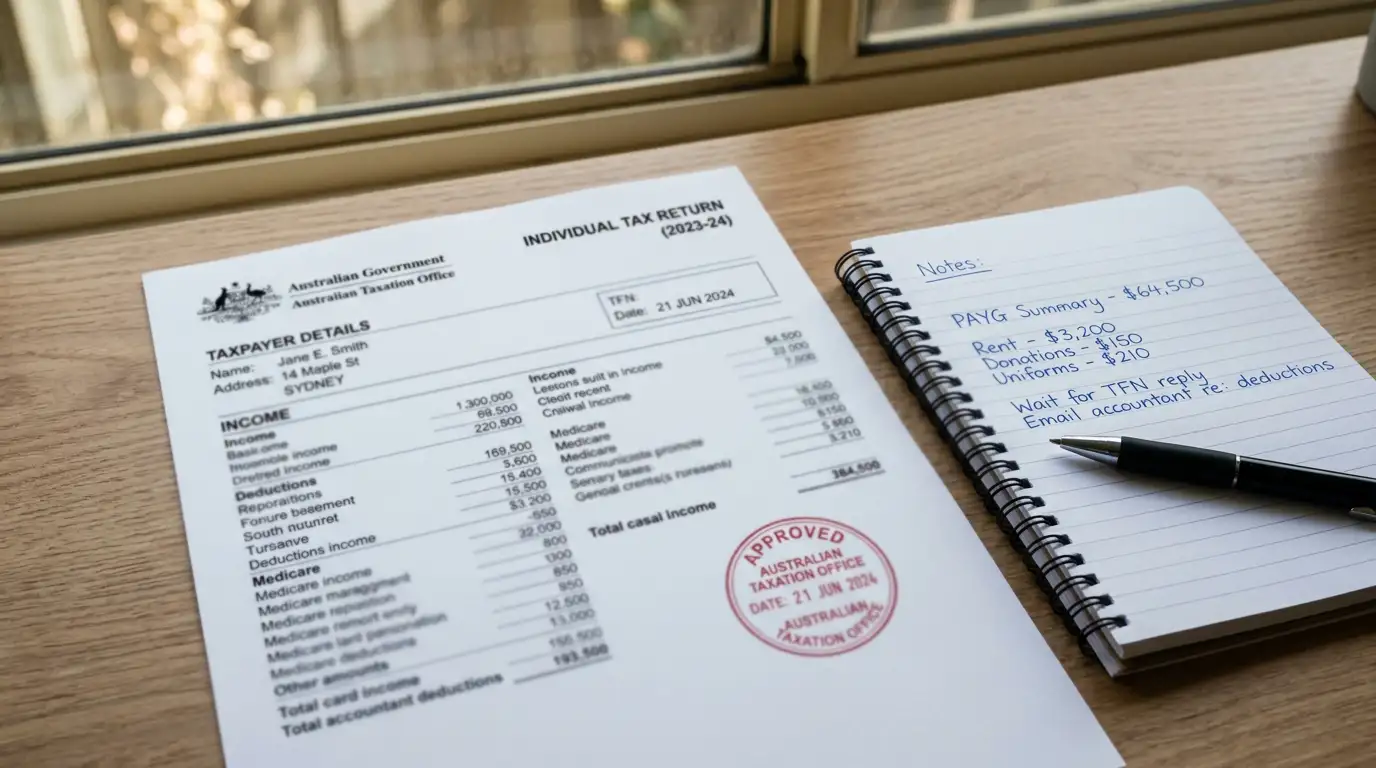
Most affiliate guides say “gambling winnings are tax-free in Australia” and stop. That’s true for recreational players gambling in AUD at a licensed venue or via a licensed bookmaker. It’s incomplete for crypto gambling, because the Australian Taxation Office treats cryptocurrency as property subject to capital gains tax, not as currency. Every time you dispose of crypto—including spending it at a casino or selling it back to AUD—you trigger a CGT event. Gambling winnings are tax-free. Crypto disposal is taxable. The overlap creates reporting obligations most players miss.
Worked example: you buy 1,000 USDT on CoinSpot for $1,493 AUD (exchange rate: 1 AUD = 0.67 USD, so 1 USDT costs 1.493 AUD). You deposit the 1,000 USDT to a casino and gamble. You win. You withdraw 1,200 USDT (your 1,000 deposit plus 200 USDT net winnings). You sell the 1,200 USDT on CoinSpot for $1,875 AUD (exchange rate shifted: 1 AUD = 0.64 USD, so 1 USDT now sells for 1.5625 AUD).
CGT event 1: Depositing the 1,000 USDT to the casino. Under ATO rules, this is a disposal of the USDT. Your cost base is $1,493 (what you paid for the 1,000 USDT). The market value at disposal is also $1,493 (you’re depositing it seconds after buying it, so no FX movement yet). Capital gain: $0. Gambling with freshly bought stablecoins creates zero embedded gain on deposit.
CGT event 2: Selling the 1,200 USDT back to AUD. Your proceeds are $1,875. Your cost base for the 1,200 USDT is calculated as follows: the original 1,000 USDT had a cost base of $1,493 (1.493 AUD per USDT); the 200 USDT you won gambling have a cost base of $298.60 (1.493 AUD per USDT at the time you acquired them by winning, which is the same rate because the rate hadn’t shifted yet during your session). Total cost base: $1,791.60. Capital gain: $1,875 – $1,791.60 = $83.40.
That $83.40 gain has two components. First, your gambling winnings: you won 200 USDT, which is roughly $312 AUD at the sale rate. Gambling winnings are tax-free for recreational players, so that portion is not taxable income. Second, the AUD/USD FX movement: you bought USDT when 1 AUD = 0.67 USD and sold when 1 AUD = 0.64 USD. The Australian dollar weakened, which means each USDT you held became worth more AUD even though its USD value stayed constant. That FX-driven appreciation is a capital gain and is taxable.
The ATO does not break down the $83.40 into “gambling winnings” versus “FX gain” automatically. You report the full $83.40 as a capital gain on your tax return. If challenged, you can argue that the majority is tax-free gambling winnings and only a slice is FX-driven CGT, but the safe position is to report the full disposal gain. For most recreational players depositing and cashing out within a day or two, the FX component is small—usually a few dollars per $1,000 gambled.
Why stablecoins bought fresh minimize CGT. If you buy USDT on CoinSpot and deposit it to a casino within minutes, your cost base equals market value at deposit, so no gain on the deposit event. If you later sell the USDT back to AUD within a day or two, AUD/USD FX movement is minimal, so the CGT on the sale event is small. This is the cleanest crypto gambling tax structure.
Why long-held Bitcoin creates larger CGT events. If you bought 0.1 BTC 18 months ago for $5,000 and it’s now worth $8,000, depositing that Bitcoin to a casino triggers a $3,000 capital gain (even though you didn’t sell to AUD—spending crypto counts as disposal). You qualify for the 50% CGT discount because you held it over 12 months, so only $1,500 is taxable, but you’ve still crystallized a $3,000 gain by gambling with appreciated Bitcoin. Many players don’t realise this until they file their tax return and see CoinSpot’s transaction data (which CoinSpot reports to the ATO under AUSTRAC requirements) flagging a disposal event they forgot about.
ATO data-matching and reporting. CoinSpot and Swyftx are AUSTRAC-registered and required to report transaction data to the ATO. The ATO’s crypto data-matching program cross-references exchange records against individual tax returns. If your CoinSpot account shows $20,000 of crypto sales in a financial year and your tax return reports zero capital gains, the ATO will send a please-explain letter. This isn’t theoretical—the ATO has been running crypto data-matching since 2019 and ramps enforcement each year.
Recreational versus professional gambling. The “gambling winnings are tax-free” rule applies to recreational players only. If you gamble as a business (regular income, systematic approach, primary livelihood), the ATO may treat winnings as assessable income and losses as deductible, which is worse tax treatment than recreational CGT. Most offshore crypto casino players are recreational by definition—no casino comps, no systematic edge, just punting. The crypto disposal events are still reportable CGT.
Do I need to pay tax on crypto casino winnings in Australia?
Gambling winnings are tax-free for recreational players, but cryptocurrency disposal is a separate taxable event. When you deposit crypto to a casino, that’s a CGT disposal. When you sell crypto back to AUD, that’s another CGT disposal. If you buy USDT fresh on CoinSpot, deposit it immediately, and sell winnings back to AUD within a day or two, your CGT is minimal (only small FX-driven gains from AUD/USD rate shifts). If you gamble with Bitcoin you’ve held for months, depositing it crystallizes any appreciation as a taxable capital gain. CoinSpot and Swyftx report transaction data to the ATO, so disposal events are visible to the tax office even if you don’t report them.

ACMA Enforcement and What Happens When a Site Gets Blocked
ACMA’s ISP-level blocklist stood at 1,788 gambling sites by August 2026, up from roughly 1,200 in 2023. The Australian Communications and Media Authority issues blocking directions to Australian ISPs under Section 313 of the Telecommunications Act, and ISPs comply by redirecting DNS queries away from listed domains. When a site lands on the blocklist, Australian users typing the URL see a dead link, a generic error page, or a redirect to an ACMA notice—the experience varies by ISP, but the result is the same: the domain stops resolving from Australian IPs.
No advance warning reaches players. ACMA does not email you to say “we’re blocking your casino next week.” The domain works one day and vanishes the next. If you have a balance on the site when the block hits, you’re locked out unless you use a VPN or the operator rotates to a new domain and emails customers the new URL. Forum threads fill with “I can’t access [site].com, is it down?” posts every month as another batch of domains gets added to the blocklist.
Operators respond with domain rotation. Register a new TLD (.net instead of .com, or a country-code domain like .io, .ag, .to), migrate the platform to the new domain, and email the customer base with the updated URL. Some operators maintain mirror domains permanently—if one gets blocked, players switch to the mirror. The cycle repeats. ACMA blocks the mirror. The operator registers another. Over 230 offshore gambling services have exited Australia entirely since 2017 rather than play this game indefinitely, but the large crypto casinos (BC.Game, BitStarz, mBit, Cloudbet) have deep enough pockets to rotate domains as needed.
VPN use is not illegal under Australian law for accessing blocked gambling sites. The Interactive Gambling Act criminalises providing gambling services to Australians, not accessing them. No Australian has been prosecuted for using a VPN to reach a blocked casino. The practical risk is not legal but operational: if a casino suspects VPN use or detects traffic from a data-centre IP range, they may flag your account for additional KYC review or restrict withdrawals pending verification. Some offshore casinos ban VPN use in their terms of service (unenforced in practice, but gives them legal cover to void balances if they choose). The safer mitigation is not VPN but platform diversification: spread your balances across two or three established casinos rather than parking everything at one that might get blocked tomorrow.
Stranded balances. The real damage from ACMA blocking happens mid-session. You deposit $2,000 USDT to a casino, play for an hour, sit at a $2,400 balance, take a break, come back the next day, and the domain is blocked. The casino still exists—ACMA blocked the DNS, not the servers—but you can’t log in from an Australian IP without a VPN. If you had instant access to a VPN and the casino’s new mirror domain (assuming they emailed it and you saw the email before it landed in spam), you’re fine. If you don’t have a VPN set up, or the casino hasn’t rotated domains yet, or they exited Australia entirely rather than rotate, your $2,400 is stranded until you sort access.
That risk is why withdrawal frequency matters. Don’t leave four-figure balances sitting at offshore casinos overnight. Deposit, play, withdraw. If you’re up $500, cash out the $500 and leave $200 for the next session. The more often you cycle funds back to CoinSpot or Swyftx, the less you lose if a domain gets blocked mid-session. The ten-year-old platforms (BitStarz 2014, mBit 2014, BC.Game 2017, Cloudbet 2013) have survived multiple blocking waves and always rotated to new domains or provided VPN-bypass instructions. The two-year-old platforms (Lucky Block, Moonbet late 2025) have no blocking track record yet, which means either they’re too new to be on ACMA’s radar (temporary access advantage) or they’re one block away from exiting Australia with no warning. Diversify accordingly.
What happens if ACMA blocks my crypto casino?
ACMA blocks domains at the ISP level with no advance warning to players. The site stops resolving from Australian IPs—you’ll see a dead link or error page. Your balance is not erased (the casino’s servers still exist), but you’re locked out unless you use a VPN or the casino emails a new mirror domain. Using a VPN to access blocked gambling sites is not illegal under Australian law, though some casinos may flag VPN traffic for additional KYC. The safest mitigation is not VPN but frequent withdrawals: keep balances small, cash out often, and diversify across two or three established platforms so a single block doesn’t strand all your funds.

Anonymous Play and KYC-Free Limits: What “No KYC” Really Means in 2026
The offshore crypto casino pitch used to be “sign up with an email, deposit Bitcoin, withdraw without ID.” That era ended. Curaçao’s 2024–2026 licensing overhaul tightened anti-money-laundering requirements across the jurisdiction, and operators tightened verification policies to keep their licenses. What “no KYC” means in 2026 is “no ID up to a threshold,” not “zero verification ever.”
Moonbet states the threshold explicitly: withdrawals under $2,000 clear without document upload. Above that, Level 2 verification (photo ID: passport, driver’s license, or national ID card) triggers, with review completing in 24–48 hours. BC.Game, BitStarz, mBit, Jack, Ignition, Cloudbet, Jackbit, and FortuneJack all use risk-based KYC rather than publishing a fixed dollar threshold. Risk-based means the platform’s compliance algorithms flag accounts for review based on withdrawal volume, deposit/withdrawal frequency, bet patterns, IP address changes, or source-of-funds questions. One player might withdraw $5,000 over three months without ever seeing a KYC request. Another might trigger verification at $800 after rapid-fire deposits and cashouts across two days.
The Curaçao Gaming Control Board (the post-2024 consolidated regulator replacing the old four-master-license structure) commonly sets the mandatory-verification floor between $2,000 and $10,000, but individual operators choose where in that band to place their trigger. Platforms serving high-volume players (BC.Game’s 150-coin swap suggests whales) tend toward the higher end. Platforms chasing retail sign-ups (Lucky Block’s email-only onboarding) sit at the lower end or delay verification until first withdrawal rather than enforcing it at deposit.
Verification tiers follow a predictable ladder. Level 1 (name, date of birth, address, phone number) is instant and in some cases now mandatory at first deposit—Roobet implemented this before geo-blocking Australia. The platforms still accepting Australians have not yet mandated L1 upfront, but Curaçao’s regulatory direction points that way. Level 2 (photo ID) is the most common first verification request, triggered when you cross the platform’s internal threshold. Upload a clear image of your passport, driver’s license, or national ID card showing your photo, name, date of birth, and document number. Review completes in 24–48 hours if the image is legible and the details match your account registration. Level 3 (proof of address: utility bill, bank statement, or lease agreement dated within the past six months) is less common but gets requested for accounts that maintain large balances or high withdrawal frequency. Level 4 (source of funds: payslips, bank statements, tax returns, crypto exchange screenshots showing origin of deposited funds) is rare and reserved for accounts cycling five-figure sums monthly or flagged for other compliance reasons.
The practical implication: if you plan to cash out more than $2,000 in a session or $5,000 over a month, have your photo ID ready and upload it before you request the first withdrawal. A flagged payout sits in “pending” status until verification completes. Players who ignore this and then post forum complaints about “my withdrawal is stuck” are usually stuck on their own incomplete KYC, not a casino scam. The exceptions are exit scams, which do exist—more on that below—but legitimate Curaçao operators hold your withdrawal for verification, not indefinitely.
Anonymous play in the true sense (zero personal information ever shared) is dead at licensed offshore casinos. What remains is “light KYC”: you can register with minimal information, deposit and play without verification, and withdraw small-to-medium amounts (under $2,000–$5,000 depending on platform) before documents are required. That’s enough anonymity for casual players who want to avoid handing over a passport to every casino they try. It’s not enough for players who were using crypto casinos to launder money or evade capital controls, and that’s by design—Curaçao’s post-2024 reforms were a response to international pressure on the jurisdiction’s AML gaps.
New Crypto Casinos vs Established Brands: Risk and Opportunity
Lucky Block and Moonbet represent the new-casino cohort: launched within the past three years, aggressive welcome bonuses (200% match, day-one cashback), fresh domains not yet on ACMA’s blocklist, limited long-term payout data. BitStarz, mBit, BC.Game, Cloudbet, and FortuneJack represent the established tier: 9 to 13 years of continuous operation, survived multiple crypto bear markets and regulatory waves, forum threads stretching back a decade with verifiable payout histories. The trade-off between new and old is access versus trust.
New casinos offer domain-access advantages. ACMA’s blocklist grows incrementally—the authority identifies illegal operators, gathers evidence, issues blocking directions to ISPs, and domains vanish from Australian resolution. That process takes months. A casino launched in late 2025 (Moonbet) or early 2024 (hypothetical example) likely hasn’t landed on the blocklist yet, which means easier access from Australian IPs without needing VPNs or mirror domains. The flip side: newer operators have shorter track records, less verifiable payout data, and higher operational instability risk.
Exit-scam complaints across the offshore casino space hit a five-year high per player-review aggregators. The pattern is predictable: new casino launches with aggressive bonuses (200% match, “free” spins with no deposit), attracts deposits, pays out small-to-medium withdrawals for the first few months to build trust, then either slows payouts (“pending review” for weeks), tightens KYC arbitrarily (requests source-of-funds documents for $500 cashouts), or vanishes entirely (domain goes offline, support stops replying, balances are lost). Not every new casino is a scam—Moonbet’s Anjouan license is verifiable, its 4.1/5 Trustpilot score reflects real user reviews, and its day-one cashback model suggests a play for long-term market share rather than a quick grab—but the risk of instability is higher with brands that have six months of operational history versus six years.
Red flags for exit scams and operational instability: no provable reserves (the casino claims to hold funds but provides no blockchain-verifiable proof), anonymous operators with no public-facing company registration (established operators list legal entities, license numbers, and physical addresses even if those are in Curaçao or Anjouan), Curaçao license with no visible registry entry (post-2024, legitimate Curaçao licenses appear in the Gaming Control Board’s public records; if the casino claims a license but you can’t verify it, that’s a flag), slow-building withdrawal-delay complaints on Bitcointalk or AskGamblers (one complaint is noise; ten complaints over two months with the same “pending review” pattern is a signal).
Established brands mitigate these risks through operational longevity. BitStarz, mBit, and FortuneJack have paid out through the 2017 ICO bubble, the 2018–2020 crypto winter, the 2021 bull run, the 2022 Terra/Luna collapse, and the 2023–2026 regulatory tightening without exit-scamming, blocking Australians, or accumulating unresolved complaint threads. Cloudbet at 13 years and BC.Game at 9 years have survived long enough that an exit scam now would destroy more value (reputation, recurring revenue, brand equity) than it would capture (a few weeks of unpaid withdrawals). That’s not a guarantee—casinos can collapse regardless of age—but it’s better than trusting a six-month-old brand with zero payout history.
The access-versus-trust trade-off is real. Newer casinos are more likely accessible from Australian IPs without VPN because they haven’t hit ACMA’s radar yet. They’re also more likely to offer aggressive bonuses (200% match, high free-spin counts) to compete for market share against established brands. Those advantages matter if you’re frustrated by blocked domains and tired of 100% match bonuses. The price is higher operational risk. If you choose a new casino, keep balances small (under $1,000), withdraw frequently (after every winning session, not once a month), and monitor forum threads for payout-delay complaints. If three or four users report the same “KYC runaround” or “withdrawal pending for weeks” pattern, exit before your balance gets stuck.
If you prioritize trust over access, stick to the 2013–2017 cohort. BitStarz (2014), mBit (2014), Cloudbet (2013), BC.Game (2017), FortuneJack (2014) have decade-long payout histories. They’re more likely already on ACMA’s blocklist or flagged for future blocking, which means you may need a VPN or mirror domain to access them. Their bonuses are standard (100%–200% match, 30x–40x wagering) rather than market-leading. But the probability they pay out your $5,000 withdrawal next week is higher than a brand that launched six months ago. Diversify: one old brand (trust anchor), one new brand (access advantage, bonus aggression), withdraw frequently from both.
Provably Fair Gaming: What It Is and Why It Matters for Australians
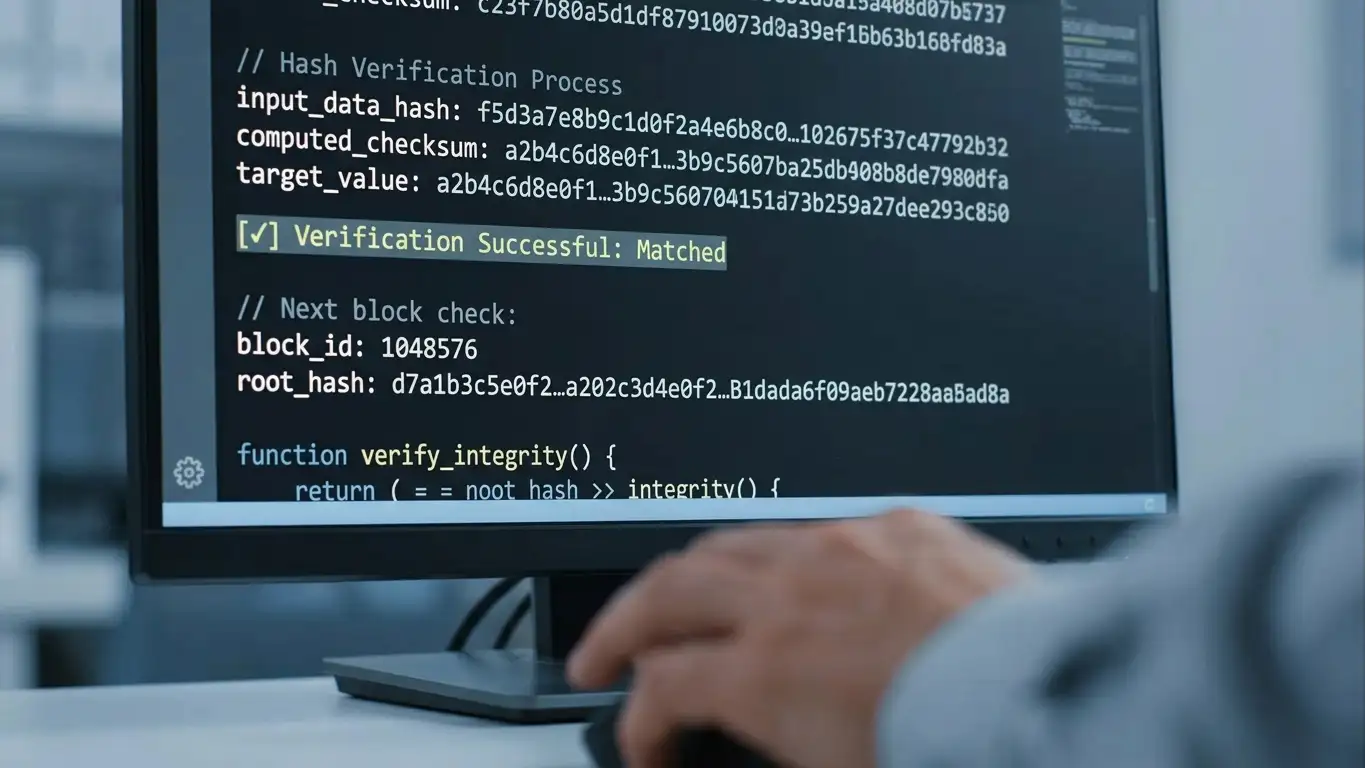
Roobet built its brand on Crash—a multiplier game where a rocket climbs and you cash out before it explodes. The twist is provably fair verification: before each round, Roobet’s server commits to a result by hashing a secret seed. You (the player) provide a client seed, either manually or via your browser’s random-number generator. The server mixes the server seed, client seed, and a nonce (round number) through a SHA-256 hash function, and that hash determines the exact multiplier where the rocket explodes. After the round ends, Roobet reveals the server seed. You re-run the hash yourself (or use an open-source verifier) with the revealed server seed, your client seed, and the nonce, and check that the output matches the result you saw. If it does, the server committed to the result before you bet and couldn’t have manipulated it mid-round.
That’s provably fair in its pure form. The same cryptographic commitment structure underpins Mines (where are the bombs?), Dice (what number rolled?), Plinko (which peg path?), Towers (safe or trap?), and other in-house Originals at BC.Game, BitStarz, and crypto-native casinos. Traditional online slots from Pragmatic Play, Hacksaw Gaming, or NetEnt use the studio’s internal RNG, which is audited by third-party testing labs (eCOGRA, iTech Labs, GLI) but not cryptographically verifiable by individual players. You trust the studio’s reputation and the auditor’s report. You cannot independently verify that the spin you just lost wasn’t rigged.
Provably fair matters for Australians because the Interactive Gambling Act 2001 bans domestic online casino play, which means zero access to locally regulated RNG. ACMA does not oversee offshore casino RNG. State gambling regulators in New South Wales, Victoria, Queensland have no jurisdiction over Curaçao operators. When you play at an offshore crypto casino, you’re trusting a foreign entity operating under a license issued by a jurisdiction with historically weak enforcement (Curaçao pre-2024) or minimal international recognition (Anjouan). Provably fair games let you replace trust with math: the outcome is committed via hash pre-bet, mixed with your seed (so the server can’t predict your input), and verifiable post-round by anyone with the revealed seeds. The server can still set the house edge, the payout table, and the game rules—provably fair doesn’t make the game winnable—but it proves the server didn’t cheat on the specific result.
The practical implementation: Roobet (geo-blocked from Australia, mentioned for technical context), BC.Game, and BitStarz publish server-seed hashes in the game interface before each round. After the round, they reveal the server seed. Open-source verifiers (JavaScript tools you run in your browser, no installation needed) let you paste the server seed, client seed, nonce, and game parameters, and the verifier outputs the expected result. If it matches what you saw in the game, the round was fair. If it doesn’t match, the server cheated or the verifier broke (the latter is more likely if you’re using a community tool; the math itself is sound but implementations can have bugs).
Most players don’t verify every round—running the hash check after each bet is tedious, and the psychological benefit of “I could verify if I wanted to” does most of the trust work. But the option to verify matters. It’s the difference between “we promise our RNG is fair” (what every offshore casino says, enforceable by nobody in the Australian regulatory space) and “here’s the math, check it yourself” (provably fair, enforceable by anyone with a calculator and a hash function).
Traditional slots (Pragmatic Play, Hacksaw, NetEnt, Play’n GO) are reputable but not provably fair. These studios have multi-year track records, third-party audits, and licenses in multiple regulated markets. Their RNG is trustworthy by reputation, not by cryptographic proof. For Australian players, that’s still better trust than black-box offshore casino RNG with no auditor and no regulator, but it’s not as transparent as provably fair Originals. If you’re playing slots, stick to recognised studios (Pragmatic Play, Hacksaw, NetEnt) at established casinos (BitStarz, mBit, BC.Game). If you want cryptographic verification, play the Originals (Crash, Dice, Mines, Plinko, Towers) and learn to run the hash check on a few rounds to confirm the system works.
What is a provably fair crypto casino game?
A provably fair game uses cryptographic commitment to prove the result was determined before you bet and wasn’t manipulated afterward. The server hashes a secret seed pre-round, you provide a client seed, and the hash of both seeds plus a nonce determines the outcome (e.g., Crash multiplier, Dice roll, Mines bomb placement). After the round, the server reveals the seed and you can verify the result by re-computing the hash. If it matches, the server didn’t cheat. Provably fair games (Crash, Mines, Dice, Plinko, Towers) are common at crypto casinos like BC.Game and BitStarz. Traditional slots from Pragmatic Play or Hacksaw use studio RNG (reputable but not player-verifiable). For Australians with no access to locally regulated RNG, provably fair offers cryptographic transparency where regulatory oversight doesn’t exist.
Responsible Gambling and Player Protection in the Offshore Space
Offshore crypto casinos operate outside Australian consumer protection frameworks. AFCA (Australian Financial Complaints Authority) has no jurisdiction. State gambling ombudsmen in NSW, Victoria, Queensland cannot compel a Curaçao operator to resolve disputes. Responsible gambling tools vary by platform: some offer deposit limits, loss limits, session timers, and self-exclusion; others offer nothing. Curaçao’s post-2024 licensing reforms mandate minimum responsible gambling features (self-exclusion, deposit limits, reality checks), but enforcement is inconsistent and complaints take months to process through Curaçao’s dispute-resolution channels if they’re processed at all.
The practical implication is that you are your own safety net. Set deposit limits manually (decide “I’m depositing $500 this week and not returning to CoinSpot for more” before you start, not after you’ve lost the $500 and are chasing). Withdraw winnings immediately rather than leaving balances to compound—most gambling losses happen when players reinvest winnings instead of cashing out. Track time and money spent across sessions; offshore casinos have no incentive to show you “you’ve been playing for three hours and are down $800” because that prompt might stop you from depositing again.
If gambling is causing financial harm, relationship problems, or mental health stress, the resources below are Australian-based and free. Offshore casinos cannot bar you from other offshore casinos (no cross-platform exclusion like GamStop in the UK or OASIS in Germany), so self-exclusion at one casino does nothing to prevent you from signing up at another.
- Gambling Help Online: 1800 858 858 (24/7 phone counselling, webchat, email support). Gambling Help Online is the national service funded by the Australian government.
- Lifeline: 13 11 14 (24/7 crisis support, not gambling-specific but covers financial and mental health crises related to gambling).
Responsible gambling in the offshore space is self-managed. No regulator will step in. No casino will stop you from depositing beyond what you can afford to lose. Set limits before you play, not after.
Crypto Casino Australia 2026 — Bitcoin, ETH, USDT & More
Content created by the «ReelBank» team